If you are wondering when to harvest lavender, this guide will help you get it right.
Many people struggle with picking lavender at the wrong time, which can reduce its scent, color, and drying quality.
In this article, you will learn the best timing, simple signs to look for, and easy cutting methods so you can harvest it with confidence.
I will also cover the right tools, stem length, and common mistakes to avoid. If you want lavender for drying, cooking, or home décor, this guide will solve your problem step by step.
Harvesting lavender at the right stage makes a big difference in results, and this method is based on practical gardening experience and proven tips.
When to Harvest Lavender for the Best Results
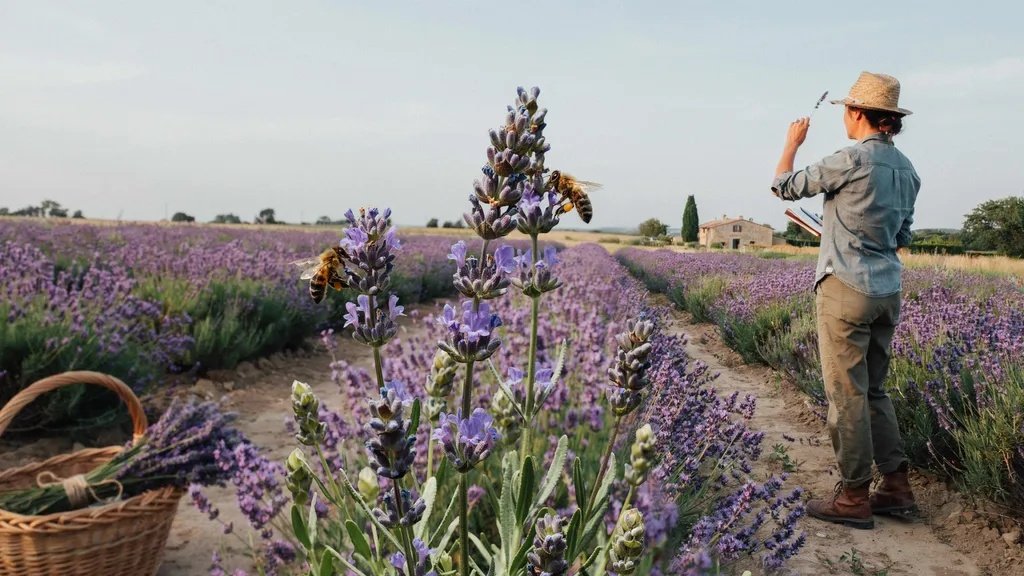
Lavender gives the best quality when it is harvested at the right time of year and stage of bloom.
The ideal period is usually late spring to midsummer, when the plant is fully healthy and producing strong buds.
The best stage is just before the flowers fully open, as this is when the important oils and fragrance are at their peak.
Morning is often preferred because the heat of the day has not yet reduced the oil content, while evening harvesting can also work in cooler weather conditions.
You can tell lavender is ready by closely observing its bud formation and color. The buds should be plump, colorful, and starting to show early bloom without fully opening.
Another strong sign is fragrance, when the scent becomes rich and noticeable, the plant is usually at its best stage for cutting.
Tools You Need for Harvesting Lavender
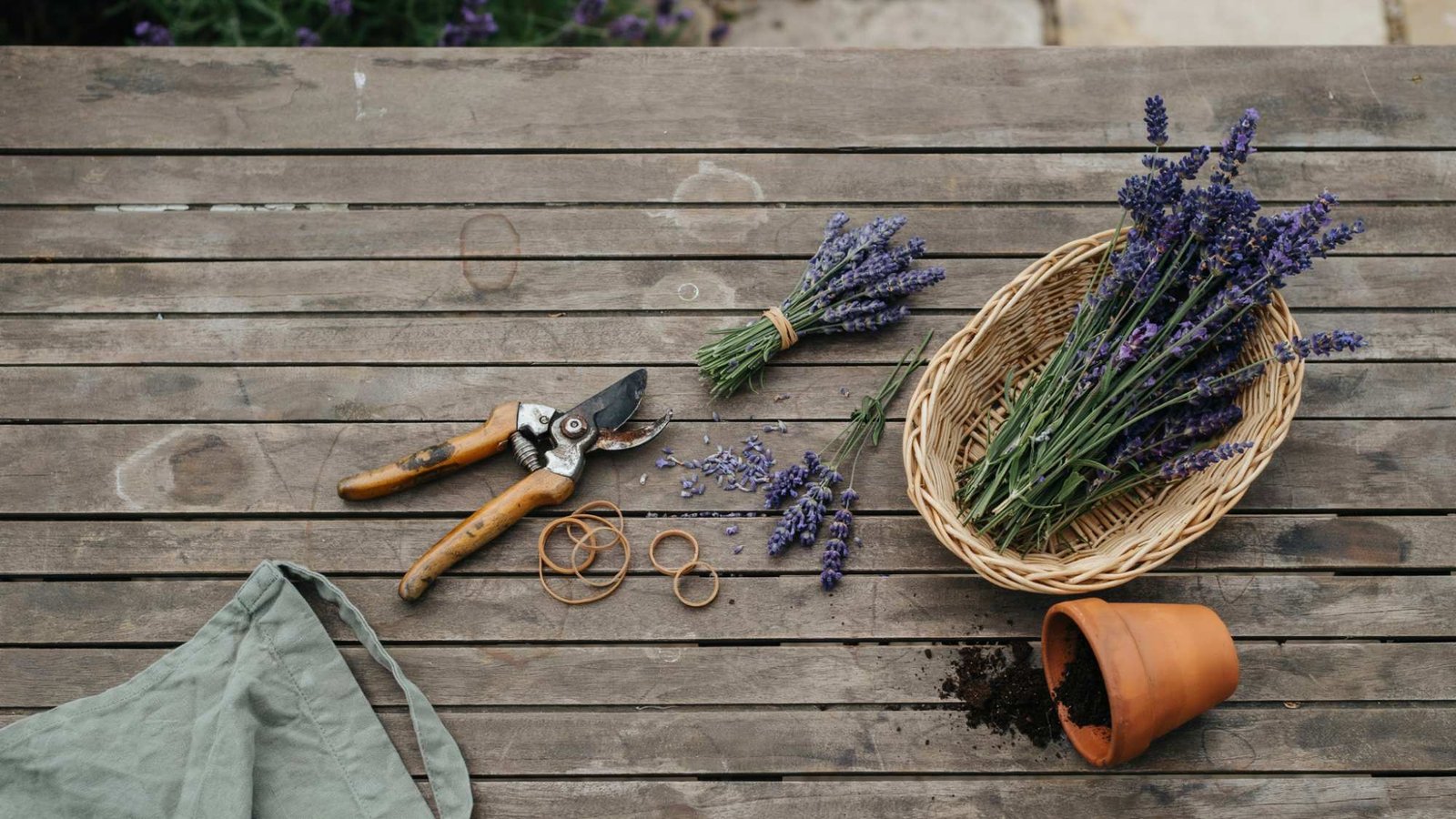
Having the right tools makes lavender harvesting clean, easy, and safe for the plant.
- Sharp pruning shears or scissors: for clean cuts without damaging stems
- Basket or breathable container: to keep flowers fresh and avoid crushing
- Rubber bands or twine for bunching:to tie stems neatly for drying or storage
How to Harvest Lavender Step-by-Step
Harvesting lavender is simple when you follow the right order. These steps help you cut the plant safely, keep its fragrance strong, and support healthy regrowth for the next season.
Step 1: Choose Healthy, Mature Stems
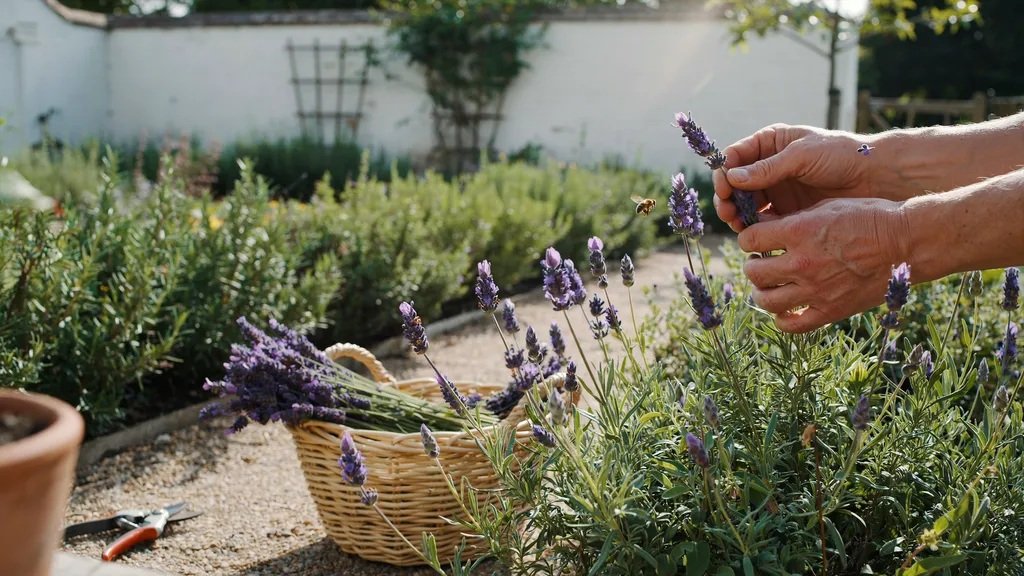
Start by selecting strong, healthy stems that are fully grown but not fully open in bloom. Avoid weak, dry, or damaged stems.
Choosing the right stems ensures better fragrance and quality. Look for stems with rich color and firm buds, as these will give the best results for drying or use.
Step 2: Cut Above The Woody Growth
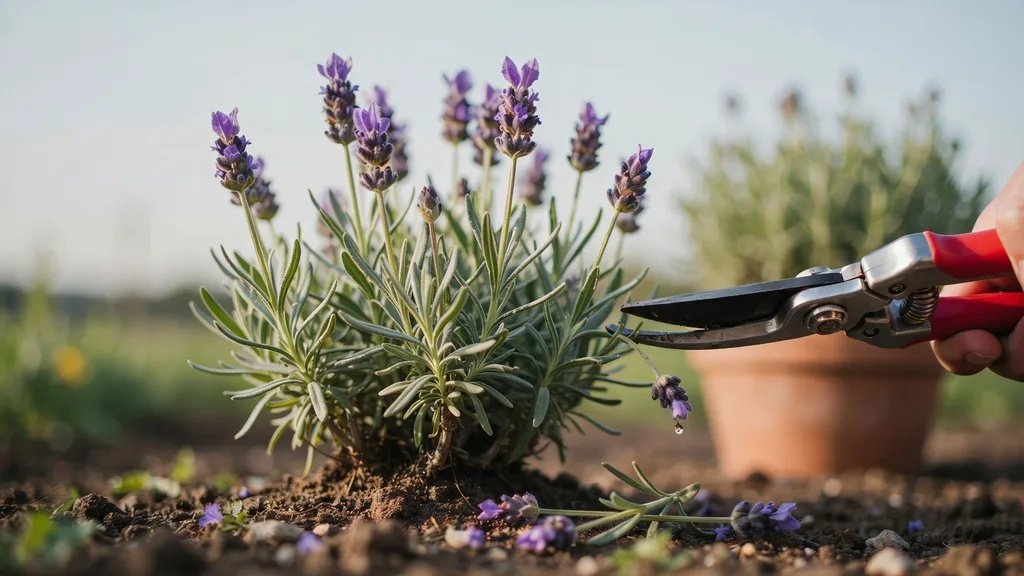
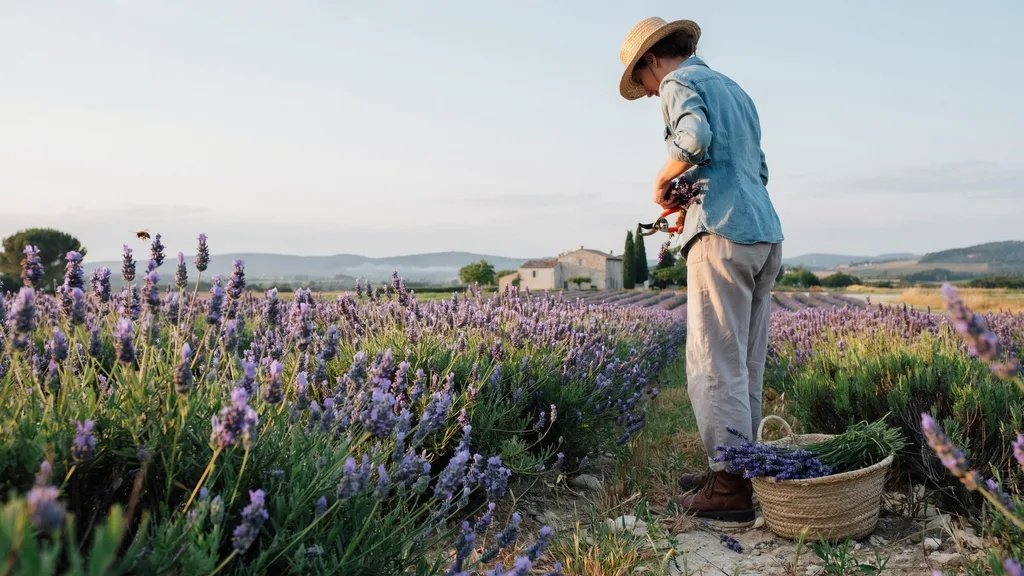
Use sharp shears to cut just above the woody base of the plant. Avoid cutting into old, hard wood because it does not regrow well.
Make clean, angled cuts to protect the plant. This technique encourages fresh growth and helps maintain a healthy lavender plant for future harvesting.
Step 3: Gather Stems In Small Bunches
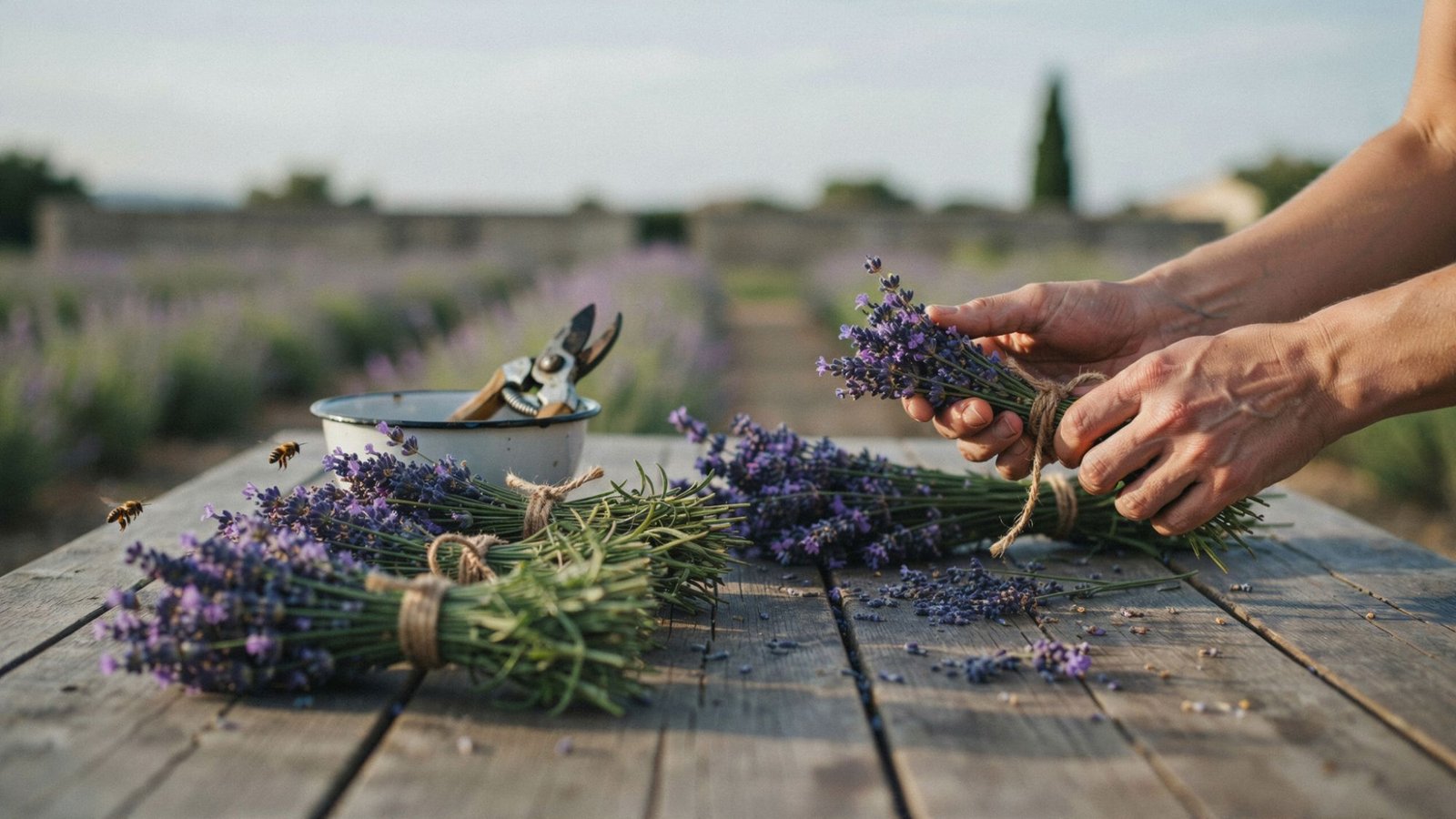
After cutting, collect the lavender stems into small, even bunches. Keeping bunches small allows better airflow and faster drying.
Align the stems neatly so they are easy to tie later. This step is important for maintaining shape, reducing moisture buildup, and preserving the natural fragrance of the lavender.
Step 4: Avoid Overharvesting The Plant
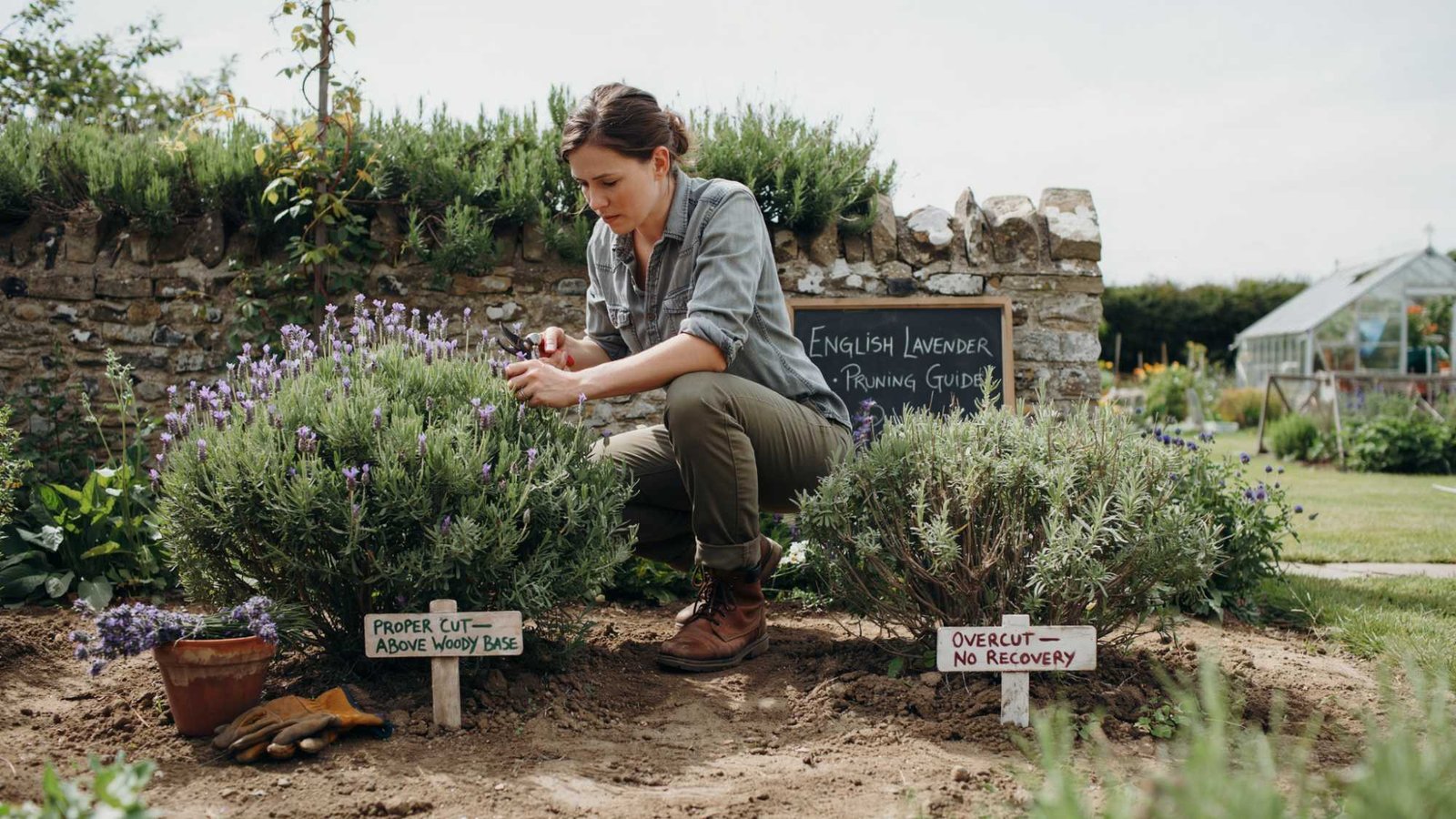
Never cut more than one-third of the plant at a time. Overharvesting can weaken lavender and reduce future blooms.
Always leave enough green growth so the plant can recover quickly. A balanced approach ensures long-term health, stronger stems, and consistent flowering in the next growing season.
Best Practices for Cutting Lavender Stems
Cutting lavender the right way helps you get longer-lasting blooms while also keeping the plant healthy and productive for future seasons.
| Practice | Details |
|---|---|
| Recommended stem length for drying and arrangements | Cut stems about 6–8 inches long for best drying, easy bundling, and attractive floral arrangements. |
| Cutting technique to promote regrowth | Always cut just above a set of leaves, using clean, sharp tools to encourage fresh, healthy new shoots. |
| Avoid damaging the plant base | Do not cut into old woody stems or the base of the plant, as this can slow regrowth and weaken lavender over time. |
Harvesting Lavender for Different Uses
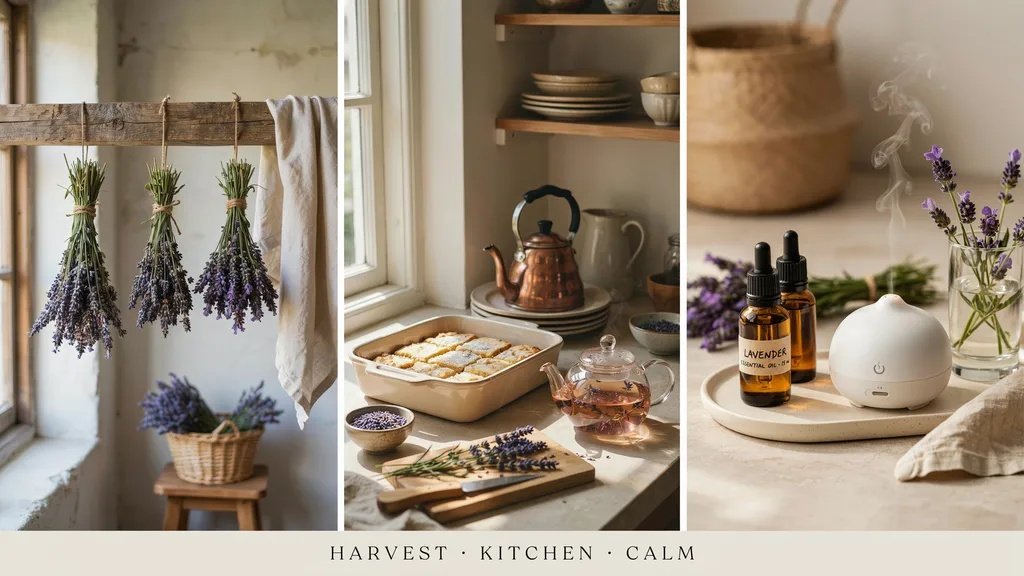
Lavender can be harvested differently depending on how you plan to use it, as timing and cutting style can slightly change the final quality and strength.
For Drying And Home Décor
Harvest stems just before full bloom when buds are tight and colorful. This stage keeps shape and fragrance intact.
Bundle stems and hang them upside down in a dry, dark place for best results. Proper timing ensures long-lasting color and a strong natural scent for décor.
For Culinary Use
Pick lavender when flowers are still in tight bud form to avoid a bitter taste. Use only clean, pesticide-free plants.
Cut small amounts and handle gently. This ensures a mild flavor that works well in teas, baking, and seasoning without overpowering dishes.
For Important Oils And Aromatherapy
Harvest lavender at peak bud stage when fragrance is strongest. Early morning cutting helps preserve important oil content.
Use fresh, healthy stems and process quickly for distillation. This timing produces higher oil quality with a richer, more calming aroma ideal for aromatherapy use.
Common Mistakes to Avoid When Harvesting Lavender
Avoiding simple mistakes can help you get better fragrance, longer-lasting blooms, and a healthier plant for future harvests.
- Harvesting too early or too late – reduces scent, color, and oil quality
- Cutting into woody stems – weakens plant growth and limits regrowth
- Using dull tools – causes uneven cuts and damages stems
- Overharvesting one plant – stresses the plant and reduces future flowering
How to Store Freshly Harvested Lavender
Proper storage helps preserve lavender’s fragrance, color, and usefulness for a long time.
- Bundling and hanging for drying – tie small bunches and hang upside down in a dry, dark, well-ventilated space
- Storage conditions for best scent retention – keep dried lavender away from sunlight, moisture, and heat
- Long-term storage tips – store in airtight containers or cloth bags once fully dried to maintain aroma and quality
Conclusion
Now you clearly know when to harvest lavender and how small timing changes can improve its fragrance, color, and use.
I hope this guide made the process feel simple and easy to follow. If you are planning your first harvest, start small and observe how your lavender responds in your own space.
In my experience, harvesting just before full bloom always gives the best scent and drying results. Try it, and feel free to share your results or try more gardening guides.
Frequently Asked Questions
When to harvest lavender for the best quality?
The best time is just before the flowers fully open, usually in late spring to midsummer. This stage gives the strongest fragrance and color.
Can I harvest lavender after it fully blooms?
Yes, but the scent and oil strength will be lower. Early bud stage always gives better results for drying and use.
What time of day is best for harvesting lavender?
Morning is best because the oils are more concentrated. Avoid midday heat as it can reduce fragrance.
How much lavender should I cut at once?
Avoid cutting more than one-third of the plant. This keeps it healthy and ensures future blooms.
Can lavender regrow after harvesting?
Yes, if cut correctly above the woody stems. Proper trimming encourages fresh growth and better flowering next season.