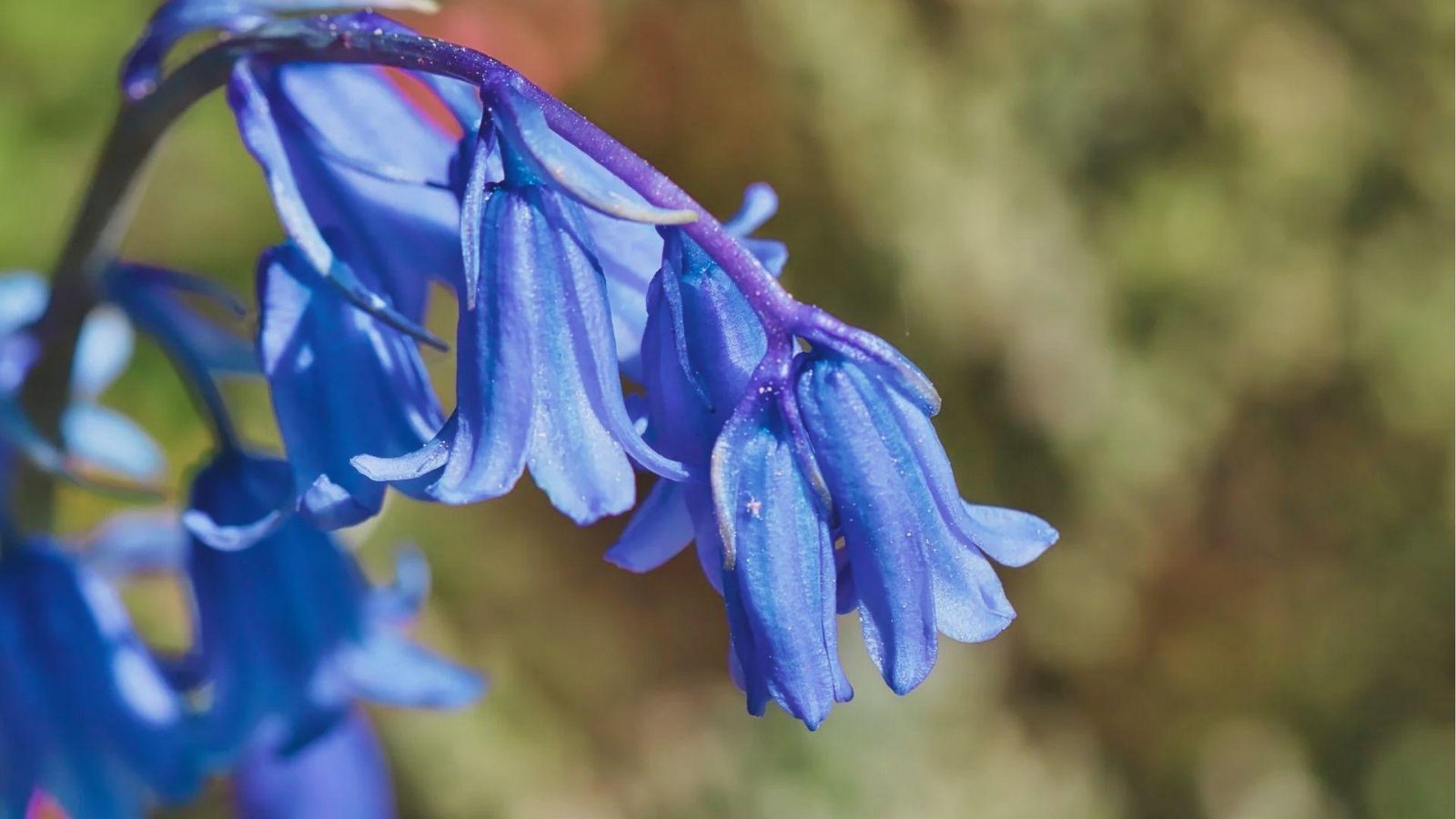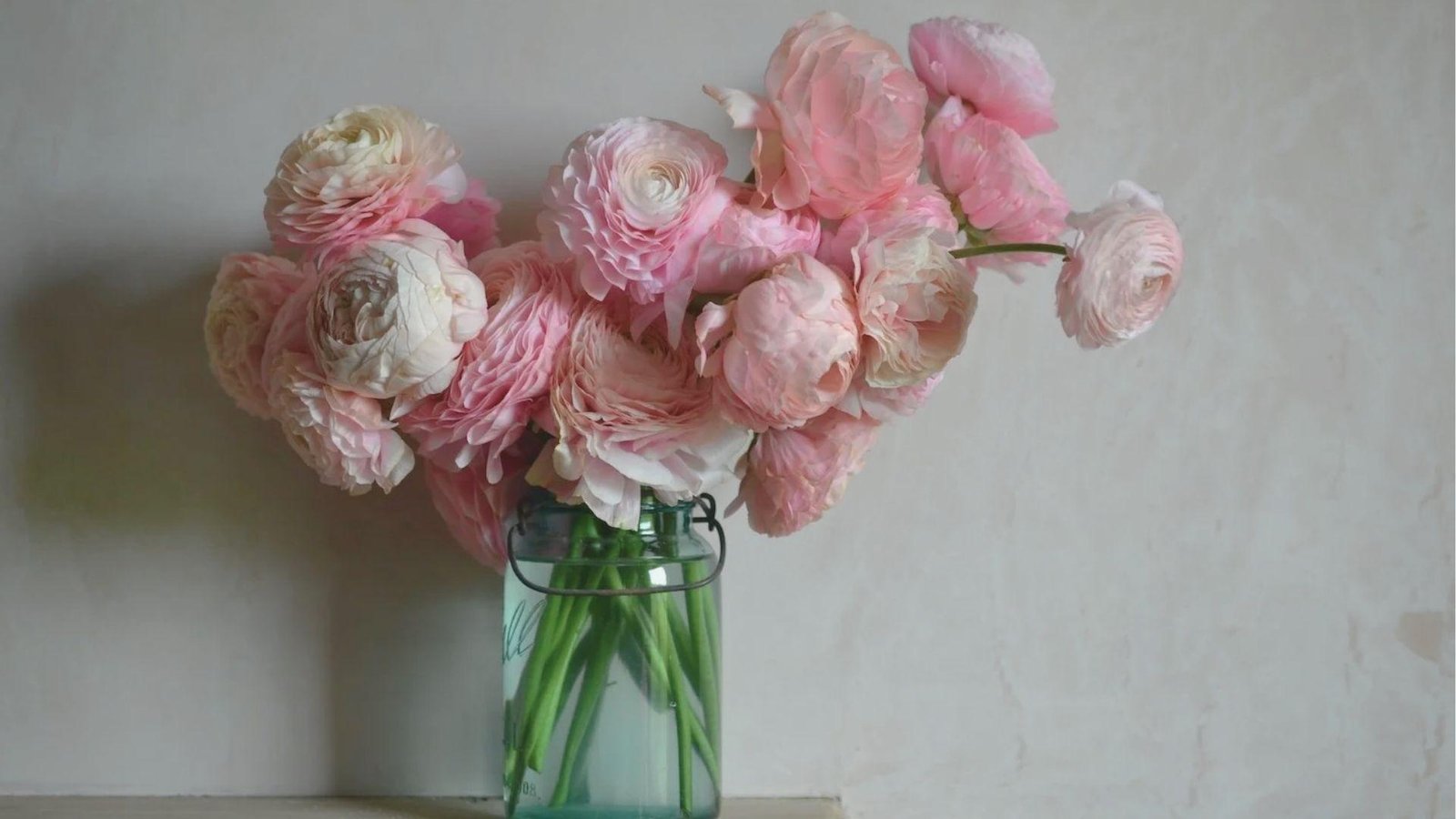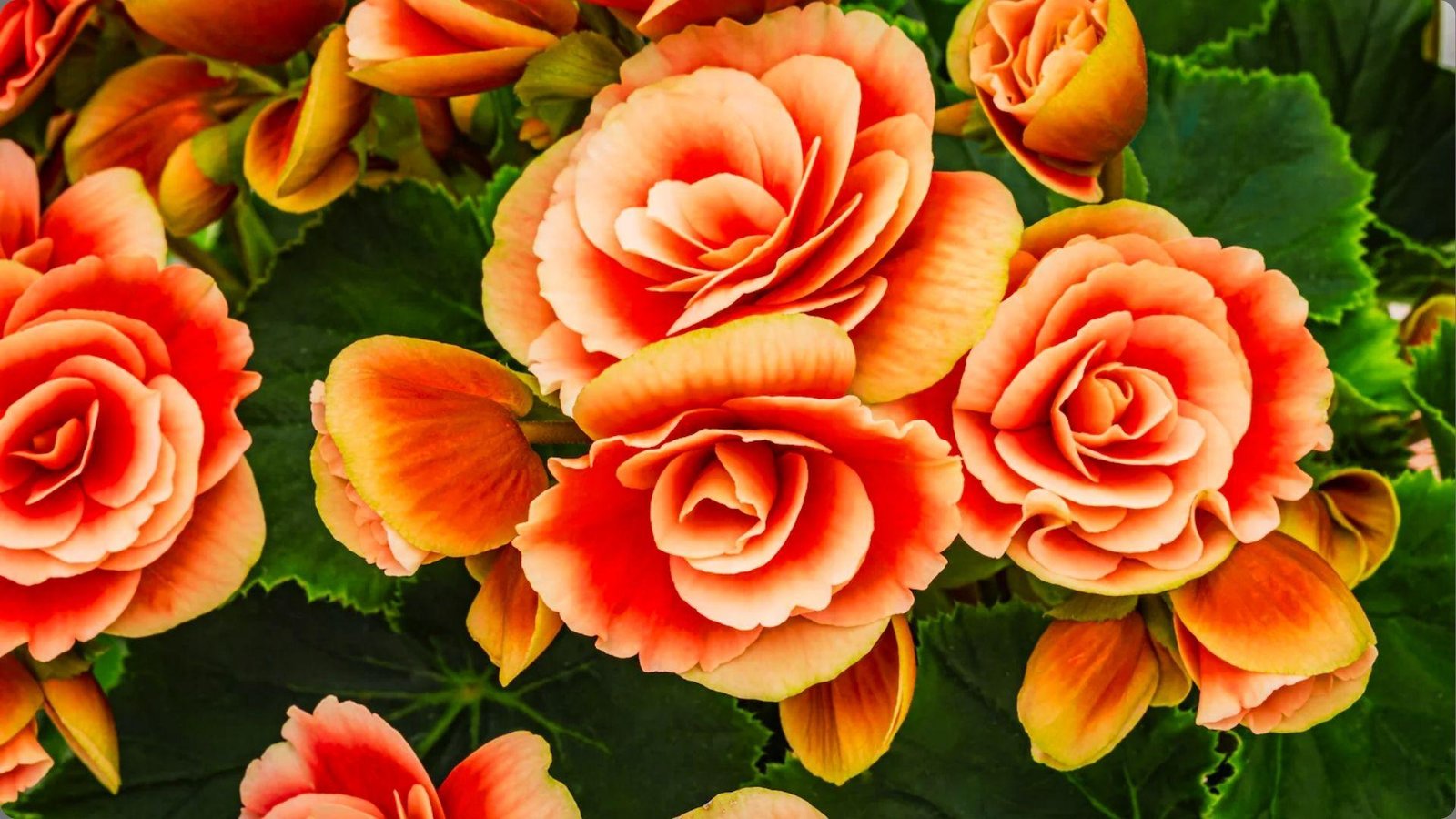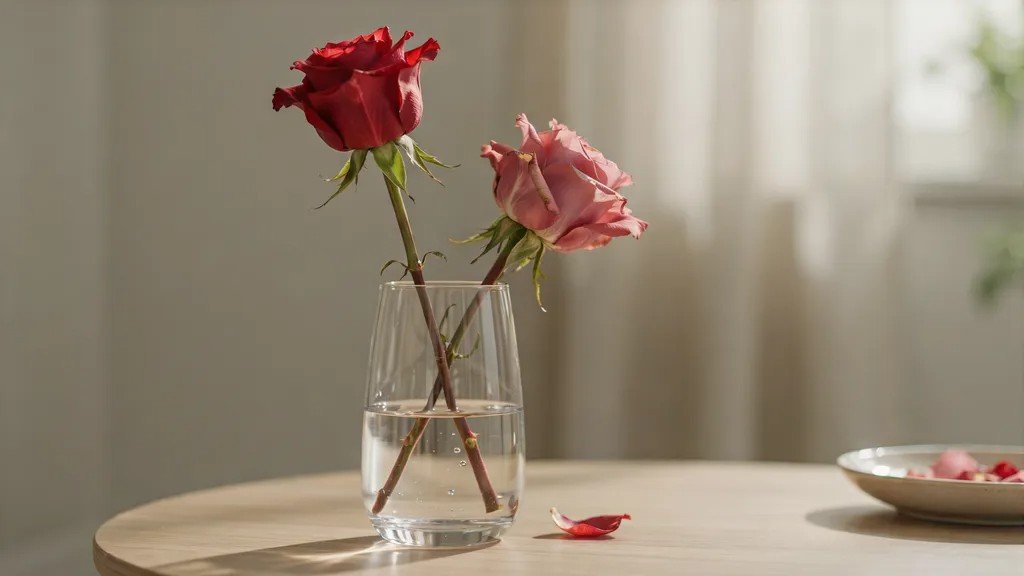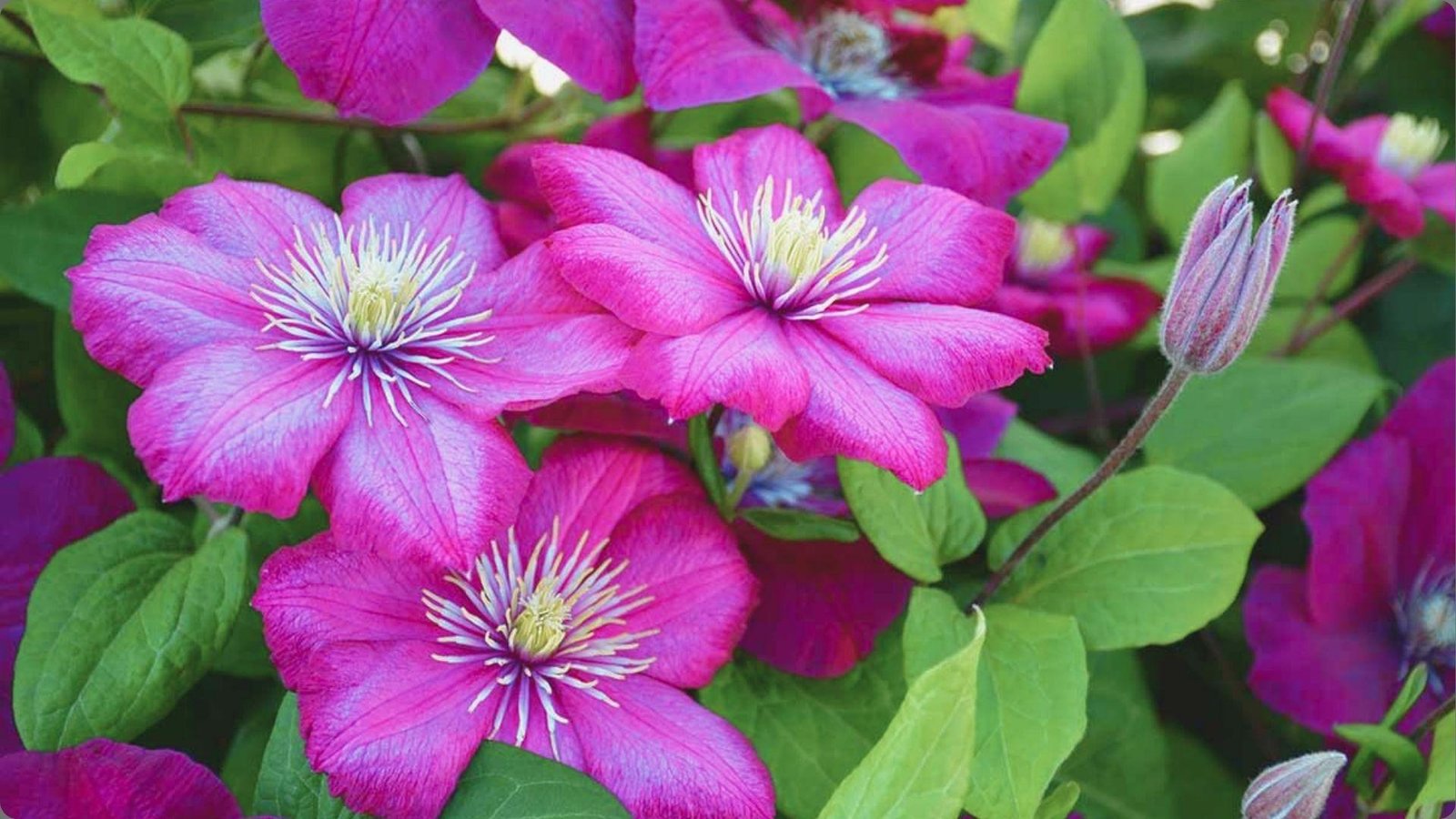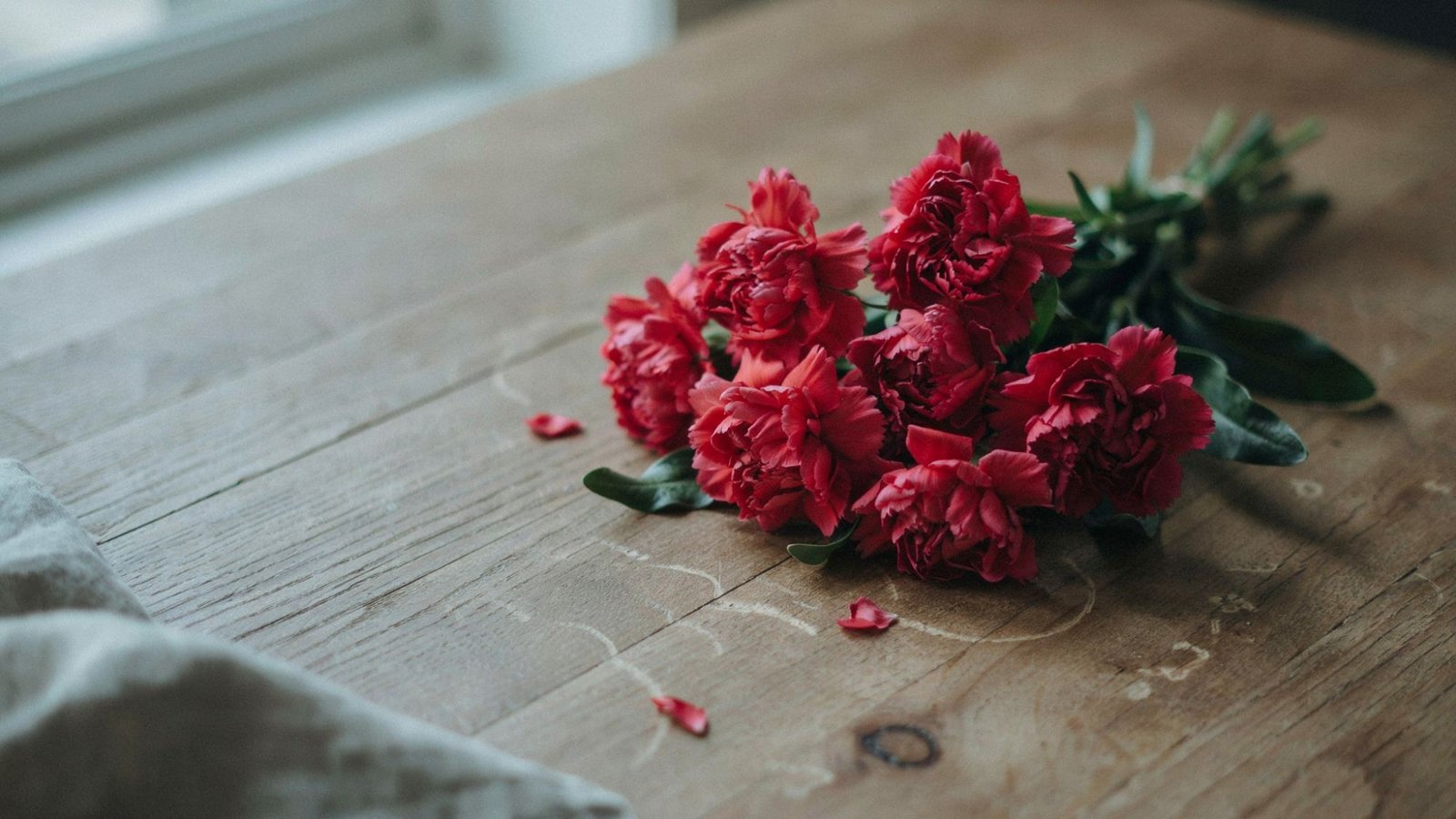
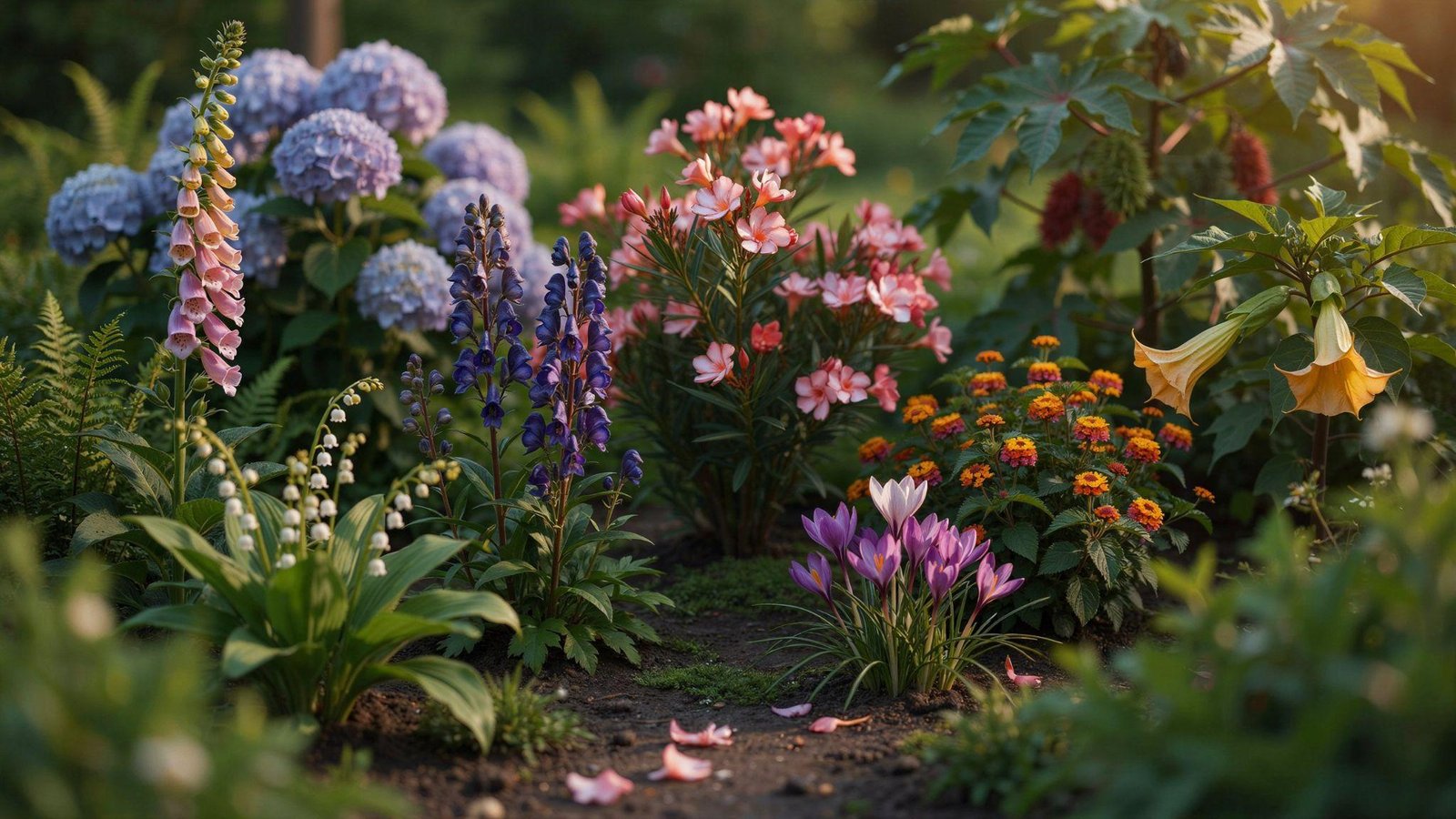
Some of the prettiest flowers in the world are also the most dangerous. That is something most people never think about when they plant a garden or pick a bouquet.
Over the years, working around plants has made one thing very clear. Looks can be deeply misleading in the plant world.
In this blog, we cover nine beautiful flowers that carry real toxic risk. You will learn what makes them dangerous, which parts of the plant cause harm, how to grow them safely, and what to do if someone is exposed.
Knowing this could protect your child, your pet, or even yourself.
What Are Beautiful Poisonous Flowers?
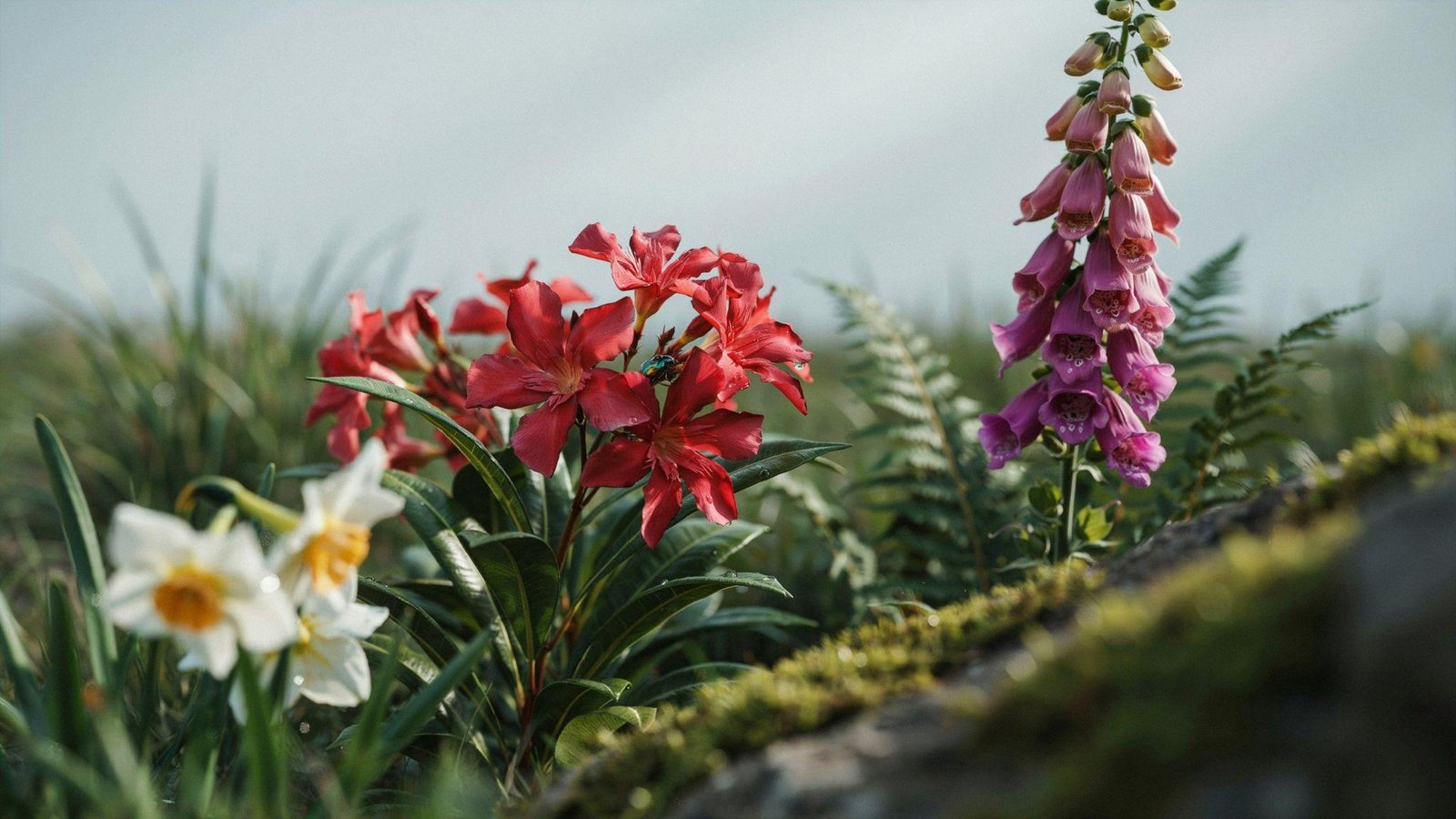
Some flowers are as deadly as they are pretty. Plants developed toxins over millions of years to protect themselves from insects, animals, and disease. These natural chemicals can affect the heart, nervous system, or skin on contact.
Not all toxic flowers harm through touch. Some cause reactions only when eaten, while others release irritants through their sap or pollen.
Children, pets, and pregnant women face the highest risk. Even brushing against certain blooms can trigger rashes, swelling, or worse.
List of 9 Beautiful Poisonous Flowers You Should Know
Some flowers carry a dark side beneath their good looks. Here are nine of the most beautiful yet poisonous flowers found in gardens and the wild.
1. Oleander
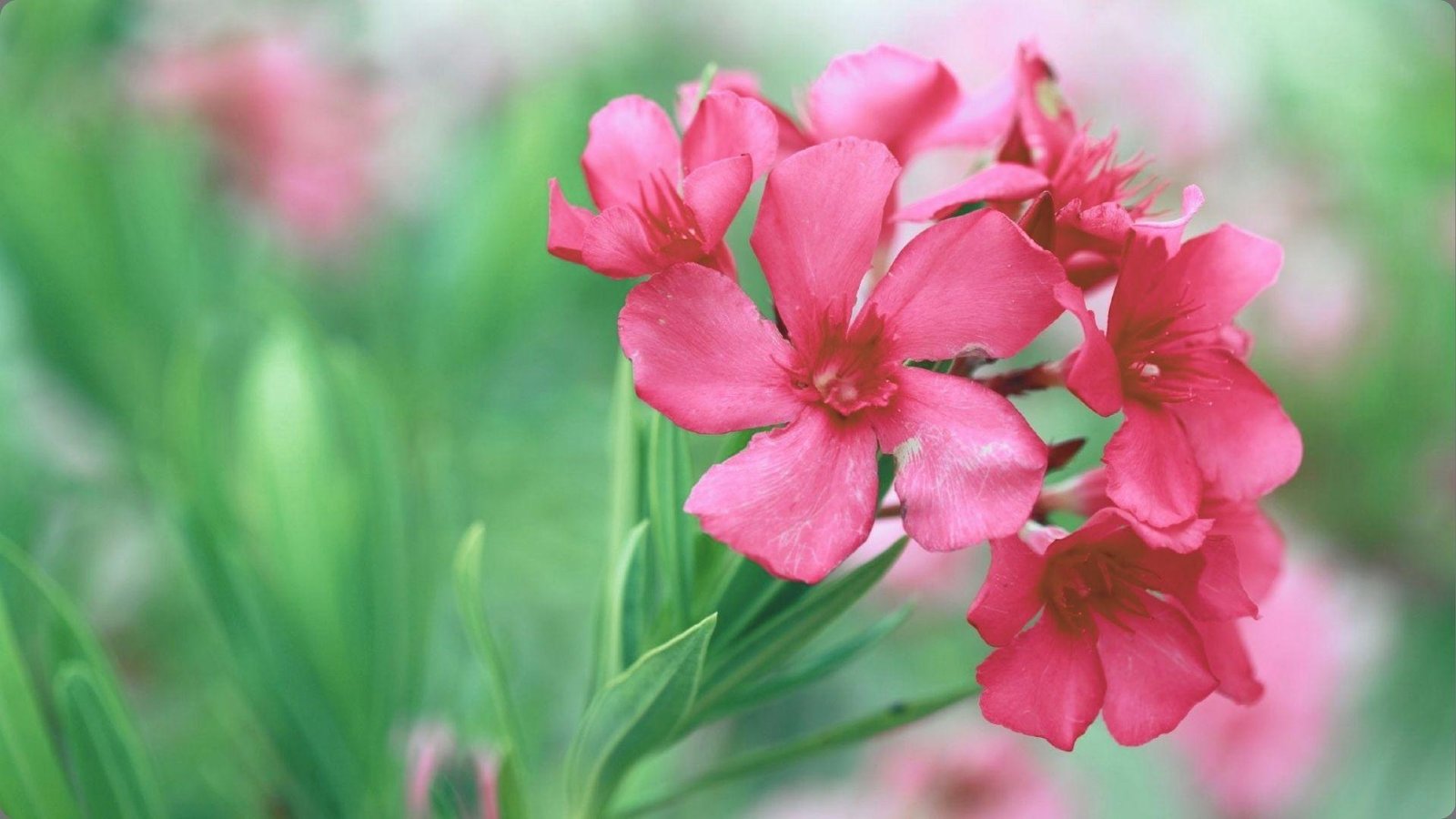
Oleander is one of the most toxic plants in the world. Every part of it is poisonous, from the leaves to the sap.
Ingesting even a small amount can cause heart failure. Despite this, it is widely grown as a garden shrub.
2. Foxglove
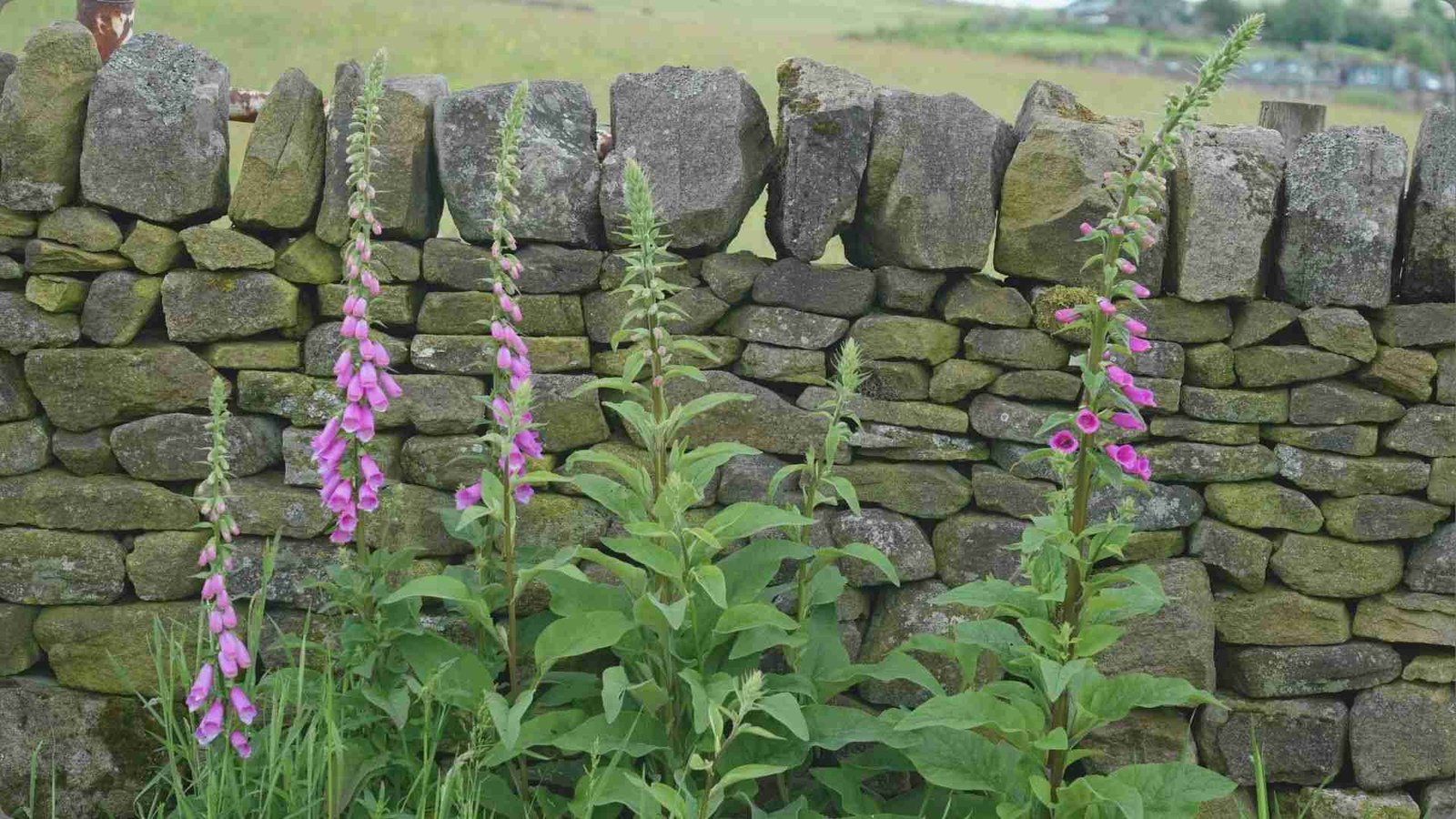
Foxglove produces tall, bell-shaped blooms in purple, pink, and white. It contains digitalis, a compound that affects the heart.
While used in heart medication, eating any part of the plant raw can cause vomiting, seizures, or death.
3. Lily of the Valley
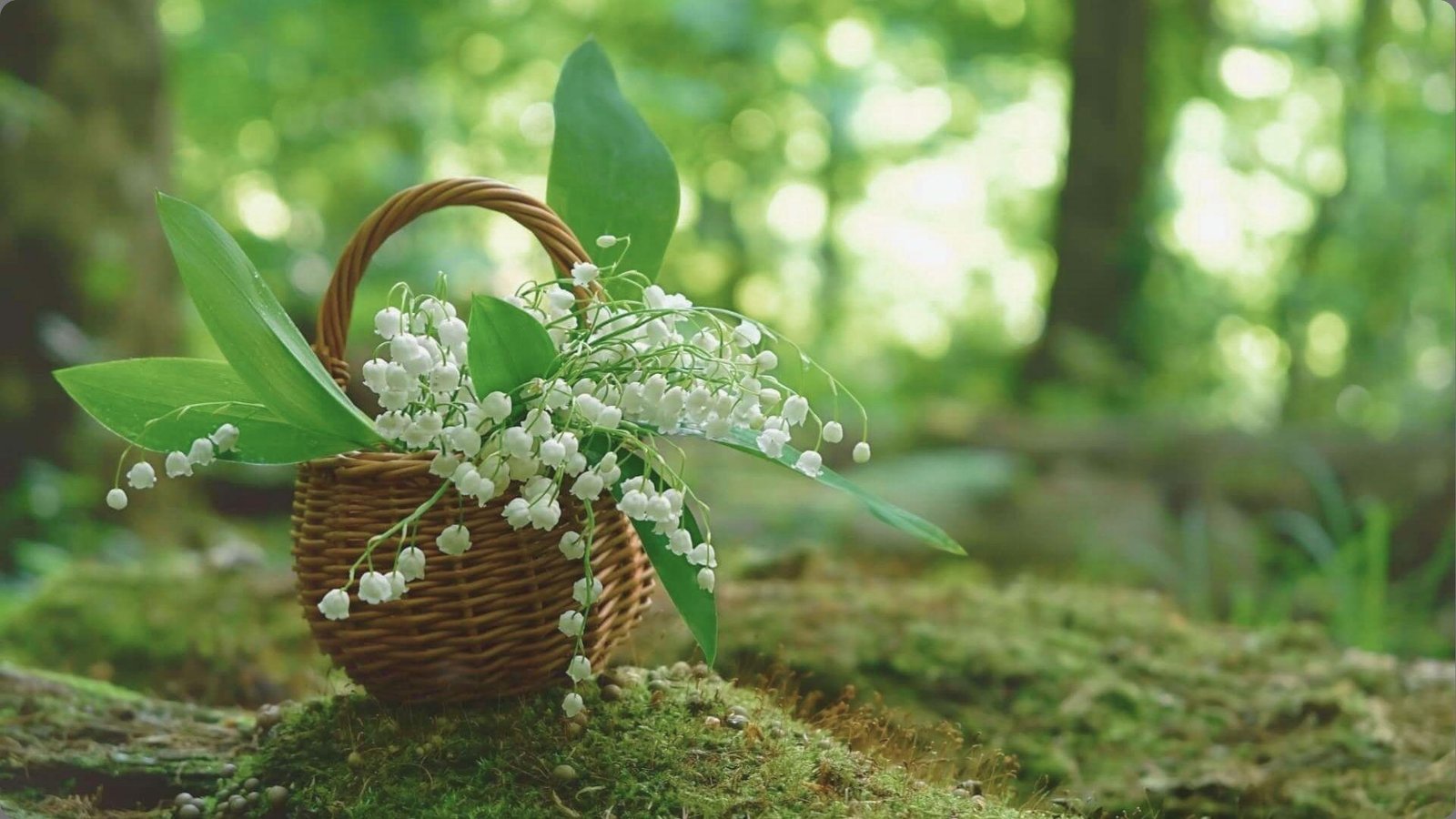
This small white flower looks delicate and sweet but is highly toxic. It contains over 30 cardiac glycosides that can slow or stop the heart.
Even the water in a vase holding these flowers can become poisonous.
4. Monkshood (Aconite)
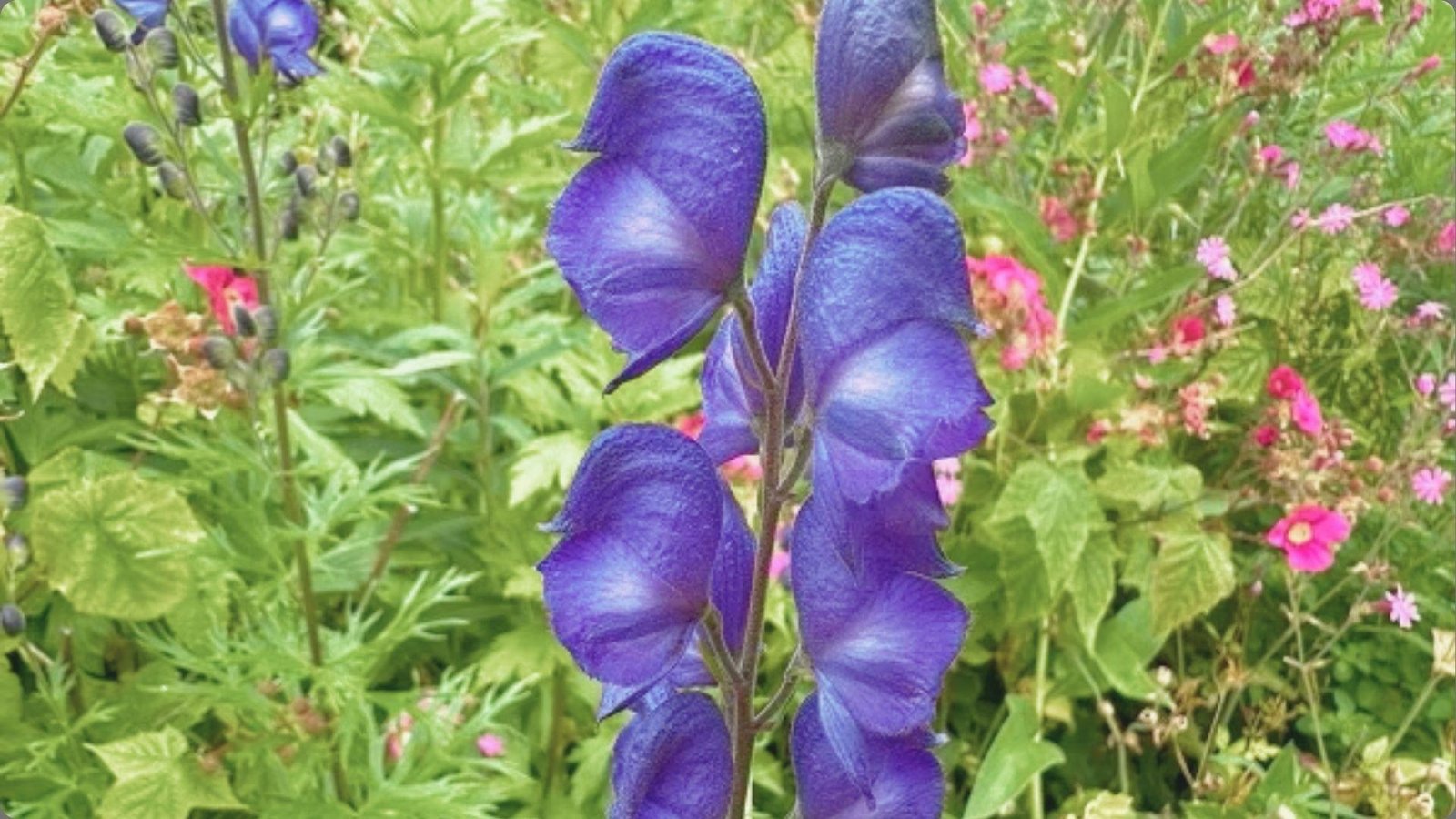
Monkshood has deep blue-purple flowers and a long history as a poison. It works fast, causing numbness, breathing problems, and heart issues.
Even skin contact with the roots or leaves can lead to irritation or toxin absorption.
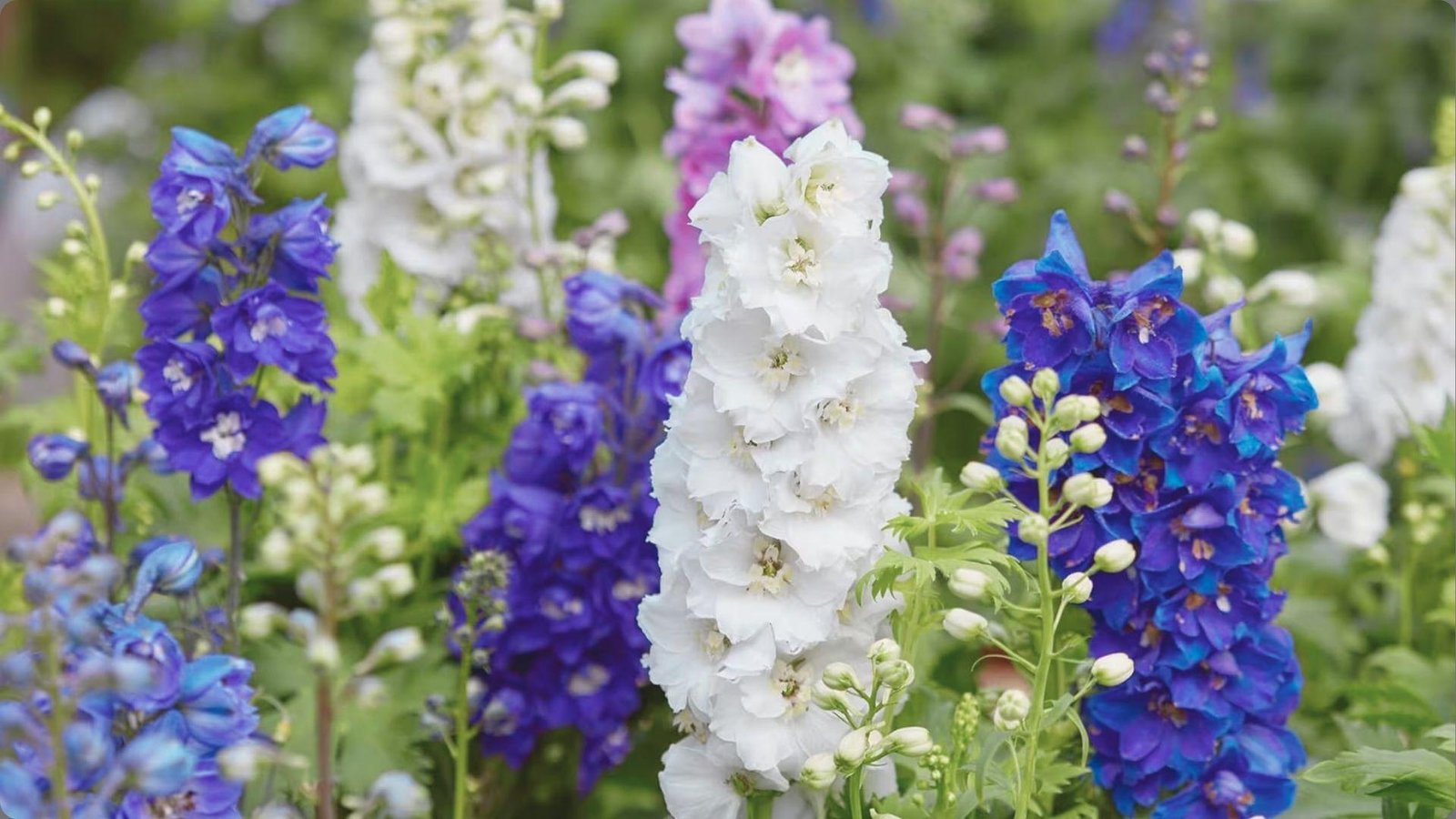
5. Delphinium
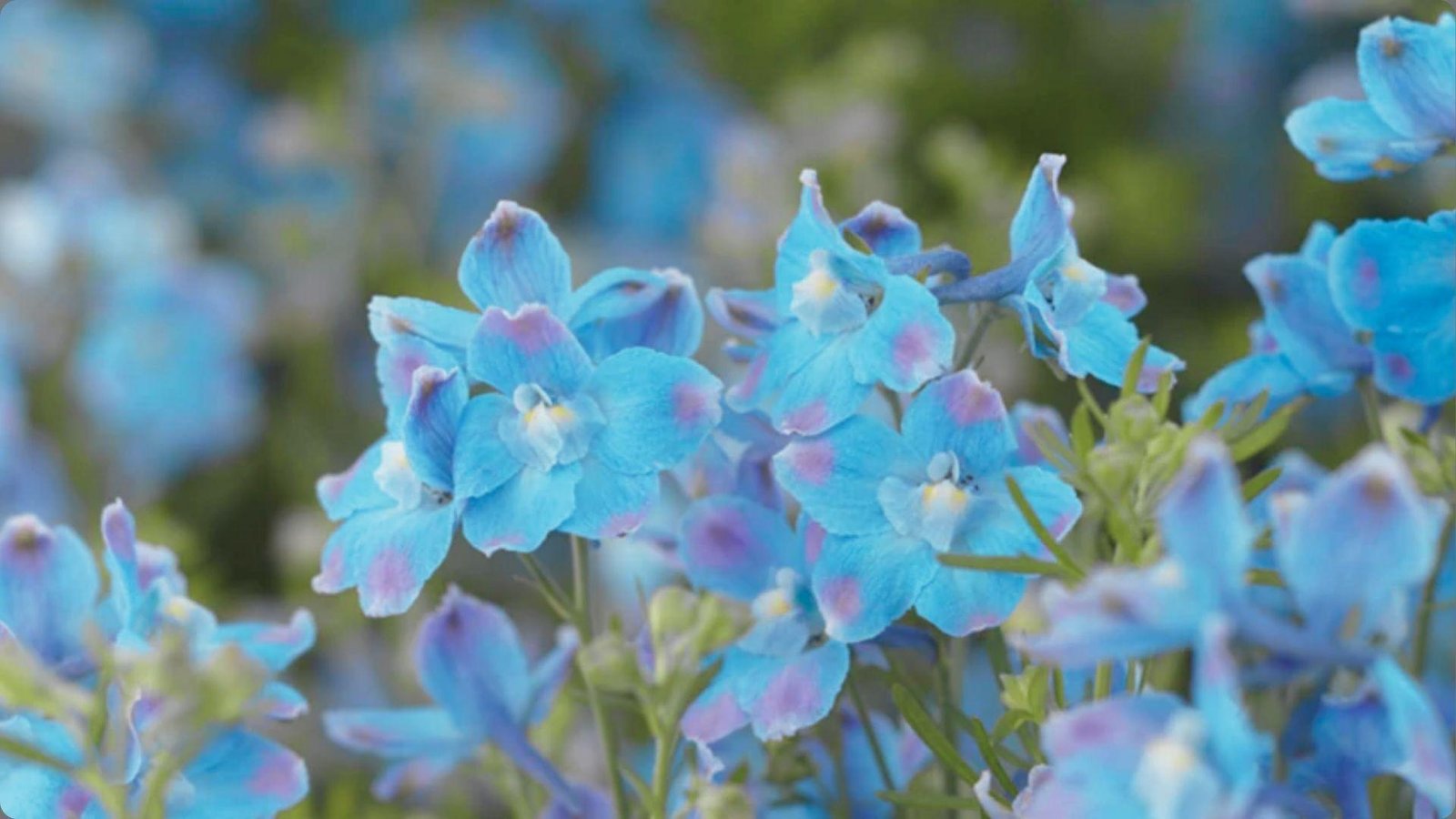
Delphinium adds tall spikes of blue, purple, and white to any garden. However, all parts of the plant are toxic, especially the seeds and young shoots.
It can cause nausea, muscle weakness, and in severe cases, respiratory failure.
6. Hellebore
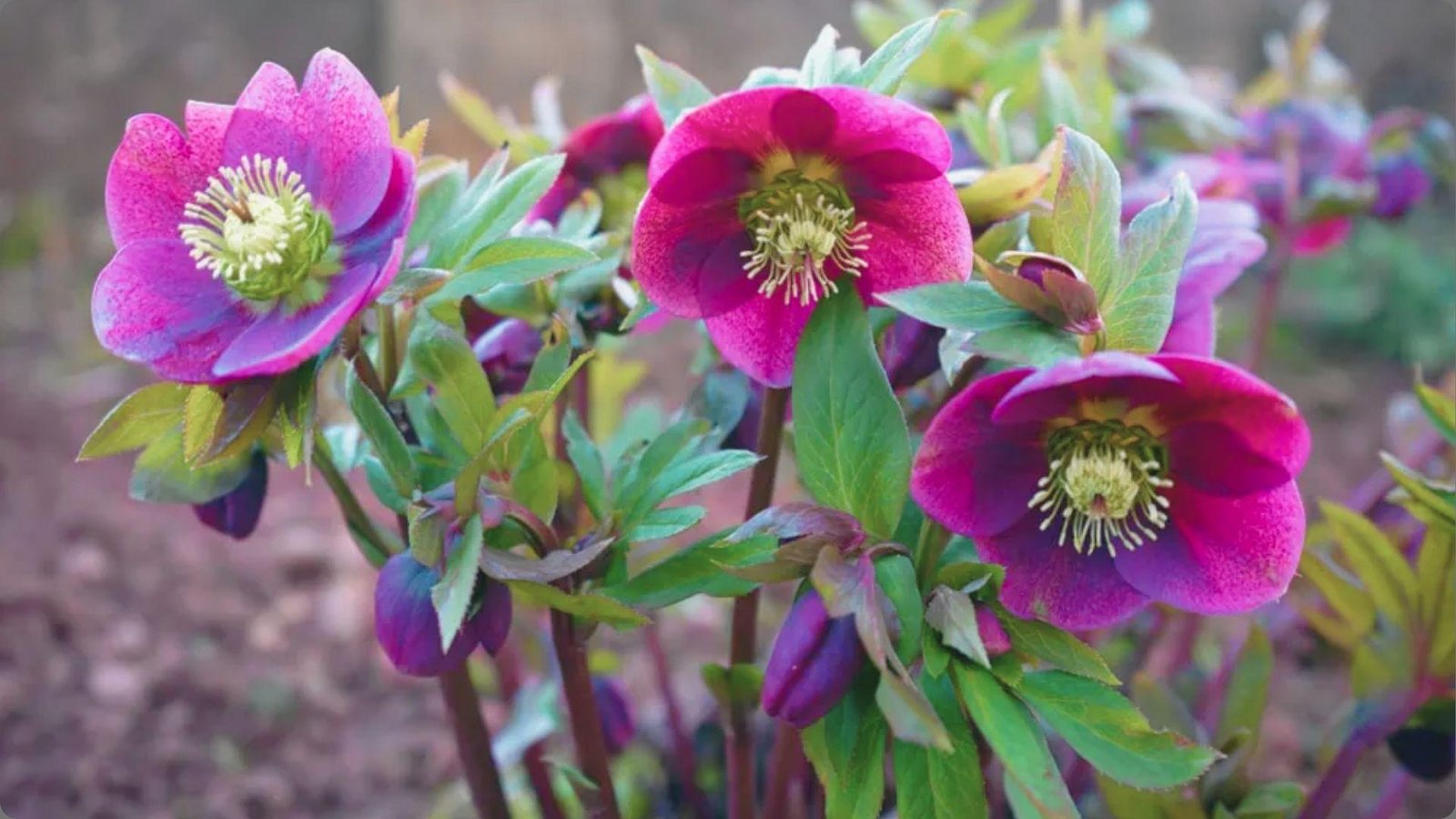
Hellebore blooms in winter and early spring when most flowers do not. It looks gentle but contains toxins that affect the heart and digestive system.
Touching the sap can irritate the skin, and eating any part can be fatal.
7. Castor Bean Plant
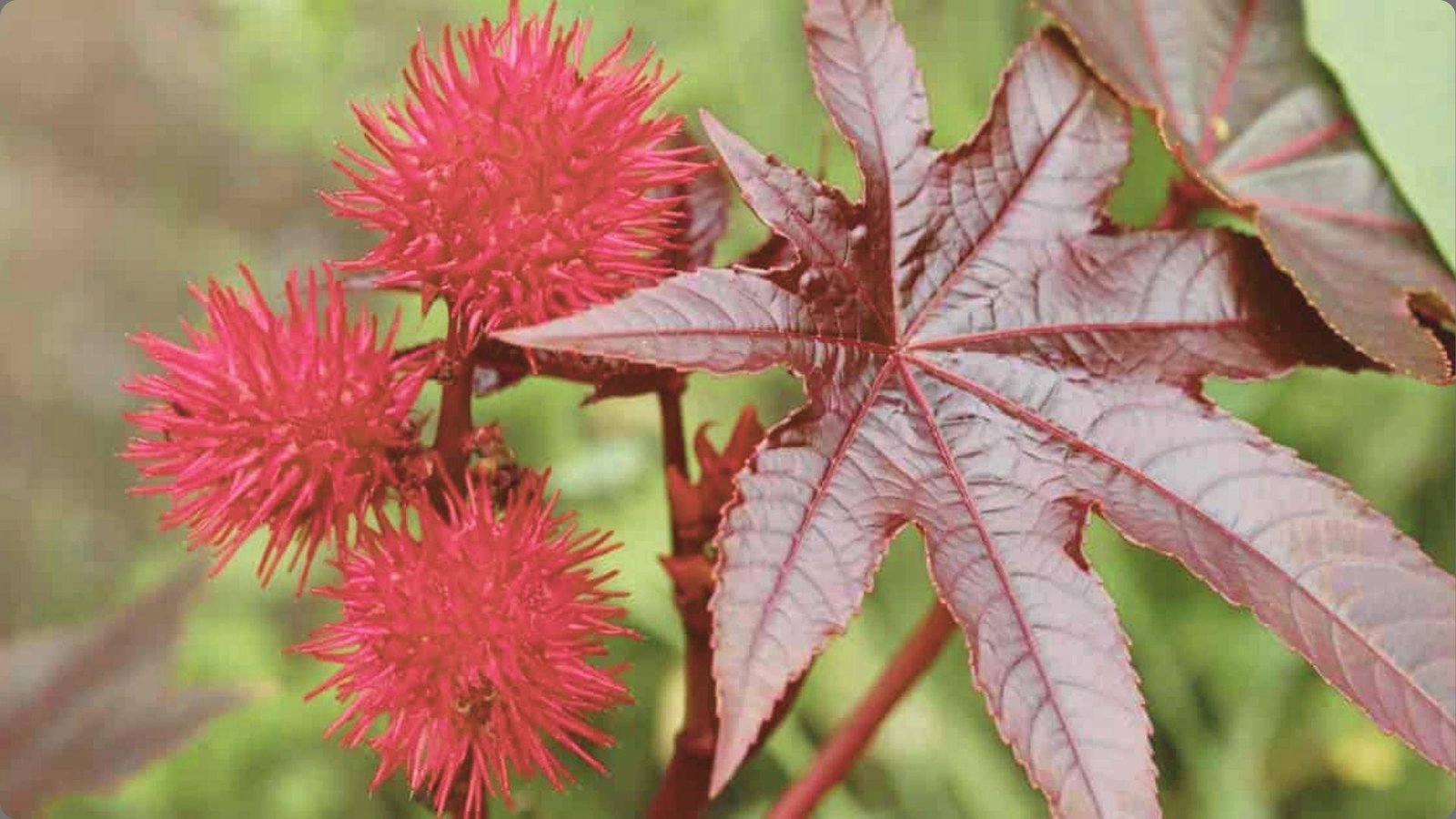
The castor bean plant has striking, large leaves and colorful seed pods. Its seeds contain ricin, one of the most deadly natural toxins known.
Just a few seeds, if chewed and swallowed, can be fatal to both humans and animals.
8. Hydrangea
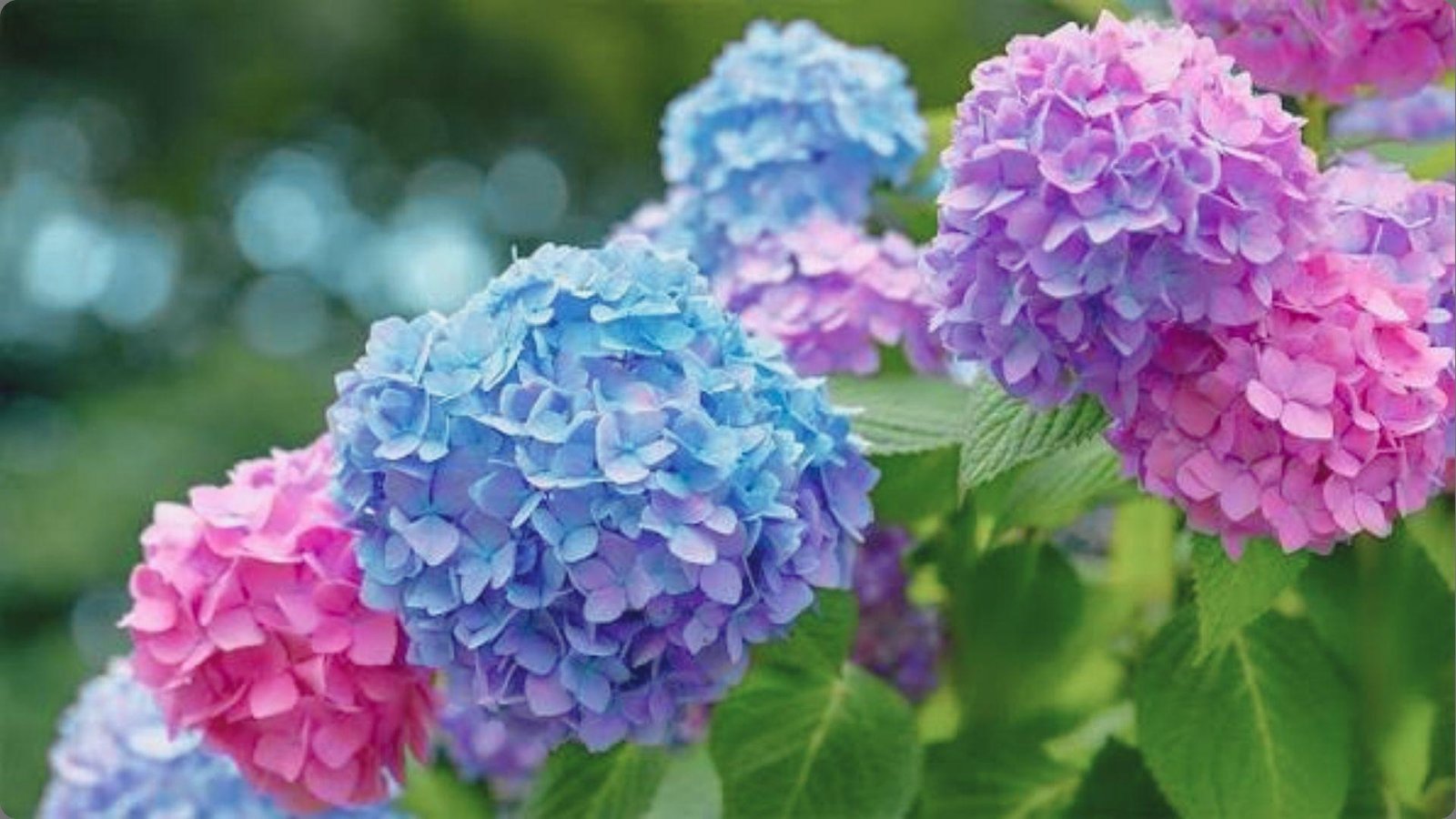
Hydrangeas are popular for their large, full flower heads and soft colors. However, they contain cyanogenic glycosides, which release cyanide when digested.
Eating the flowers or leaves can cause dizziness, stomach pain, and in large amounts, serious harm.
9. Rhododendron
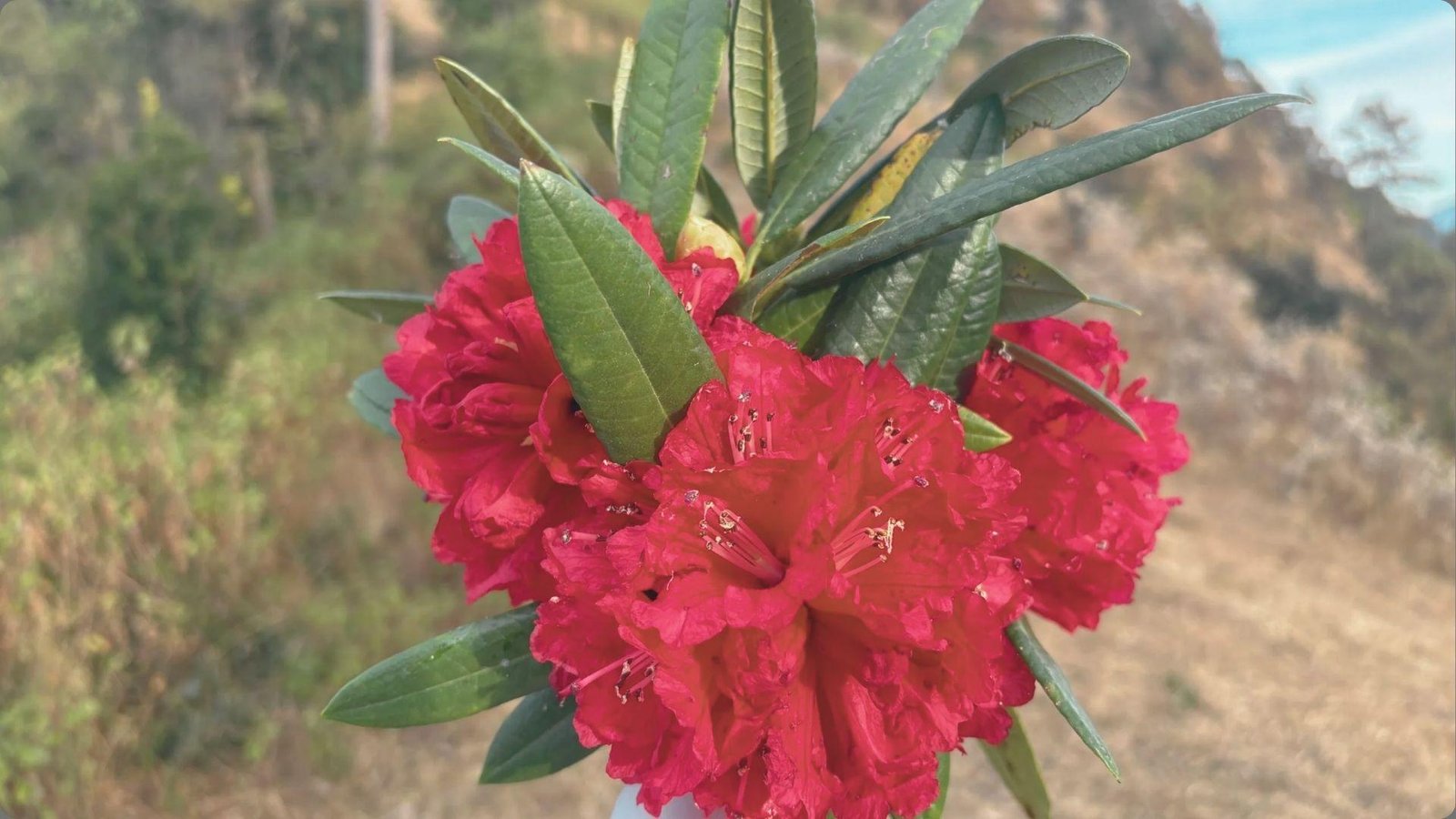
Rhododendron is a common garden favorite with bold, clustered blooms. All parts of the plant contain grayanotoxins, which can disrupt nerve and muscle function.
Even honey made from its nectar has been known to cause poisoning in humans.
Why Are These Flowers Poisonous?
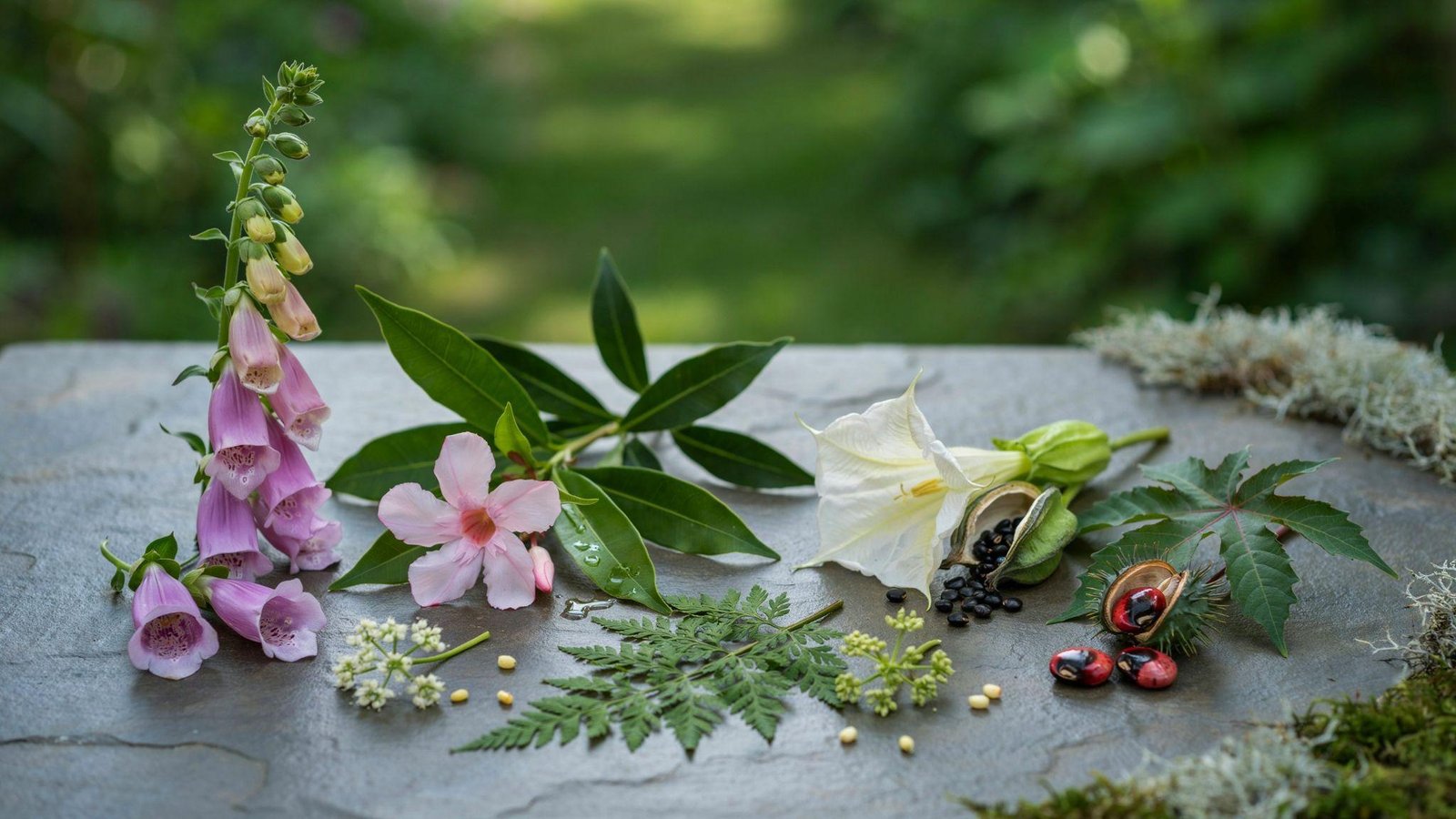
Plants did not develop toxins by accident. These chemicals evolved as a natural defence to keep predators, insects, and disease away.
Toxic Compounds Found in Poisonous Flowers
Different flowers carry different types of toxins. Cardiac glycosides, alkaloids, and cyanogenic compounds are among the most common found in ornamental plants.
Each compound affects the body in a different way. Some slow the heart, some attack the nervous system, and others cause severe digestive damage.
Which Parts of the Plant Are Most Dangerous?
The most toxic parts vary from plant to plant. In many cases, the seeds, roots, and sap carry the highest concentration of poison.
Leaves and flowers can also be harmful, especially when touched or eaten. Even small amounts from certain plants are enough to cause serious health problems.
Are Beautiful Poisonous Flowers Safe to Grow?

Growing poisonous flowers at home is possible with the right precautions. Knowing what is in your garden is the first step toward keeping everyone safe.
Keep children away from unfamiliar plants and teach them never to touch or eat anything from the garden. For pets, check every plant against a trusted toxic species list.
Always wear gloves when handling these flowers, wash hands after gardening, and avoid touching your face. Remove fallen leaves and seed pods quickly to reduce accidental contact.
What to Do If Someone Touches or Eats a Poisonous Flower
Acting quickly can make a real difference when someone comes into contact with a toxic plant. Knowing the right steps ahead of time helps you respond without panic.
Common Symptoms to Watch For
Symptoms can appear within minutes or take a few hours depending on the plant. Watch for nausea, vomiting, rashes, swelling, dizziness, or an irregular heartbeat.
In more serious cases, a person may have trouble breathing, lose muscle control, or feel extreme weakness. Never wait for symptoms to get worse before acting.
Basic First Aid Steps
Do not try to make the person vomit unless a doctor advises it. Remove any plant material from the mouth and rinse the area with clean water.
Keep the person calm and still. Note the name of the plant or take a photo of it to show medical staff when help arrives.
When to Seek Medical or Veterinary Help
Call emergency services immediately if the person or pet loses consciousness, has trouble breathing, or shows signs of a rapid or irregular heartbeat.
For pets, even mild symptoms after contact with a toxic plant need prompt veterinary attention. It is always better to get checked early than to wait and see.
Conclusion
Beautiful flowers and hidden danger often go hand in hand.
After years of gardening, one thing is clear:knowing your plants is just as important as growing them.
The nine flowers covered here are worth having in any garden, but they demand respect. Keep children and pets at a safe distance, wear gloves, and stay alert to symptoms if accidental contact happens.
A little awareness goes a long way. Share this with fellow garden lovers and help someone stay safe today.
Frequently Asked Questions
What are the most common poisonous flowers found in home gardens?
Oleander, Foxglove, Hydrangea, and Rhododendron are among the most common toxic flowers found in everyday gardens. They look attractive but carry compounds that can seriously harm humans and animals.
Can touching a poisonous flower make you sick?
Some flowers cause skin irritation, rashes, or swelling on direct contact. Others are only harmful when eaten, so knowing the specific plant matters a great deal.
How do I know if a flower in my garden is toxic?
Check the plant name against a reliable toxic plant database or consult a local horticulturist. When in doubt, wear gloves and keep children and pets away until you are sure.
What should I do if my child eats part of a poisonous flower?
Do not wait for symptoms to appear. Call emergency services or a poison control centre right away and try to identify the plant your child came into contact with.
Is it safe to grow poisonous flowers if you have pets?
It is possible but requires extra care. Always check which plants are toxic to your specific pet, keep them out of reach, and remove fallen leaves or seed pods from the ground regularly.