If you were born in July, your birth flower is larkspur. And honestly, it is one of the most meaningful flowers tied to any month.
Larkspur has been around for centuries. People have used it in myths, gardens, folk traditions, and even medicine. It is not just a tall, colorful plant. It carries real stories and deep symbolism.
In this blog, we will look at what larkspur means, why it belongs to July, what each color stands for, and what makes it stand out historically.
By the end, you will know this flower far better than most people do. Let us get into it.
What Is the Larkspur Birth Flower?
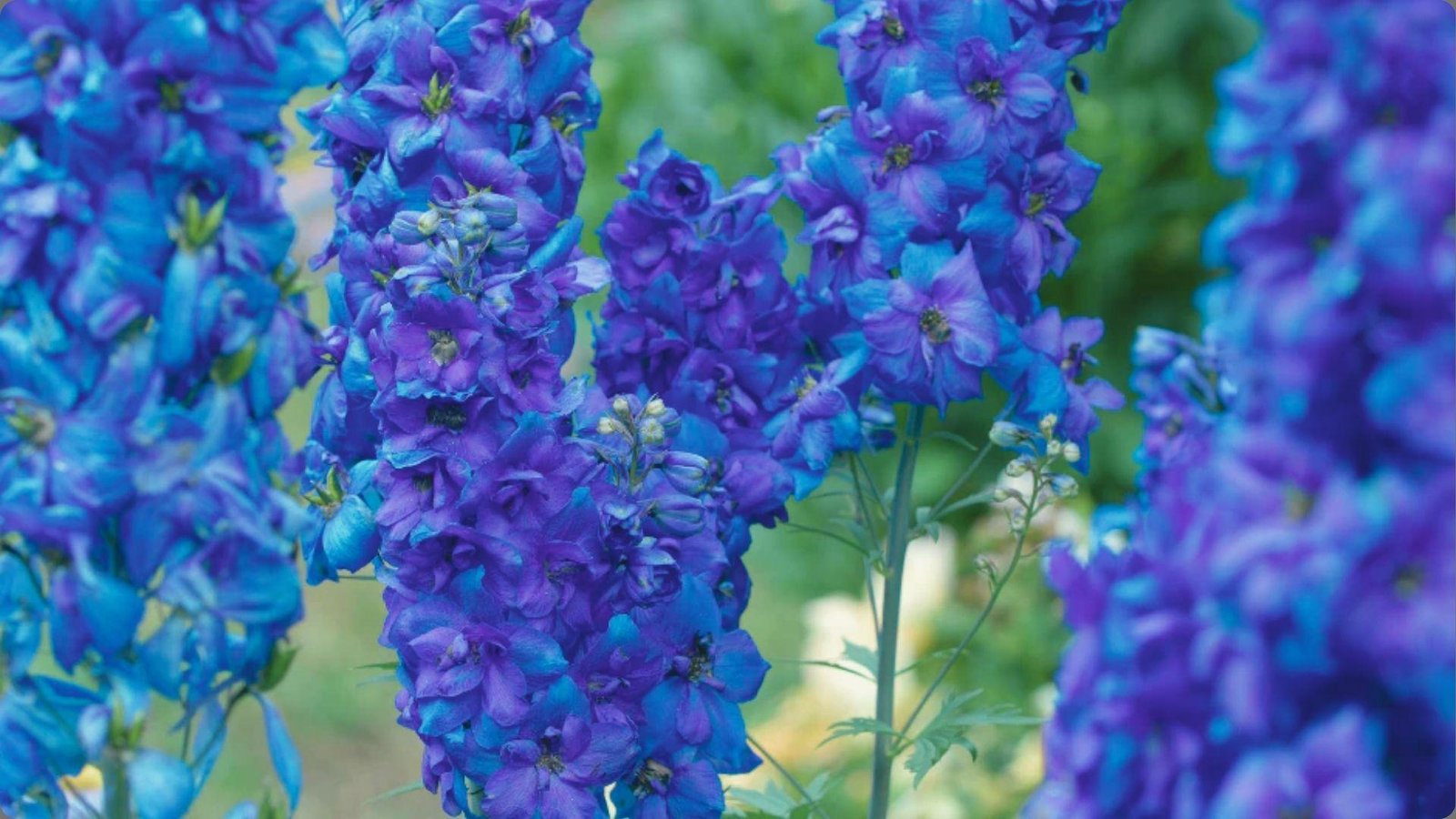
Larkspur is one of July's two official birth flowers, alongside the water lily. July is one of the few months that carries two birth flowers, giving people born this month a richer floral identity.
Larkspur belongs to the Ranunculaceae family. Its scientific names are Delphinium and Consolida. The plant is native to the Northern Hemisphere, spanning Europe, Asia, and North America.
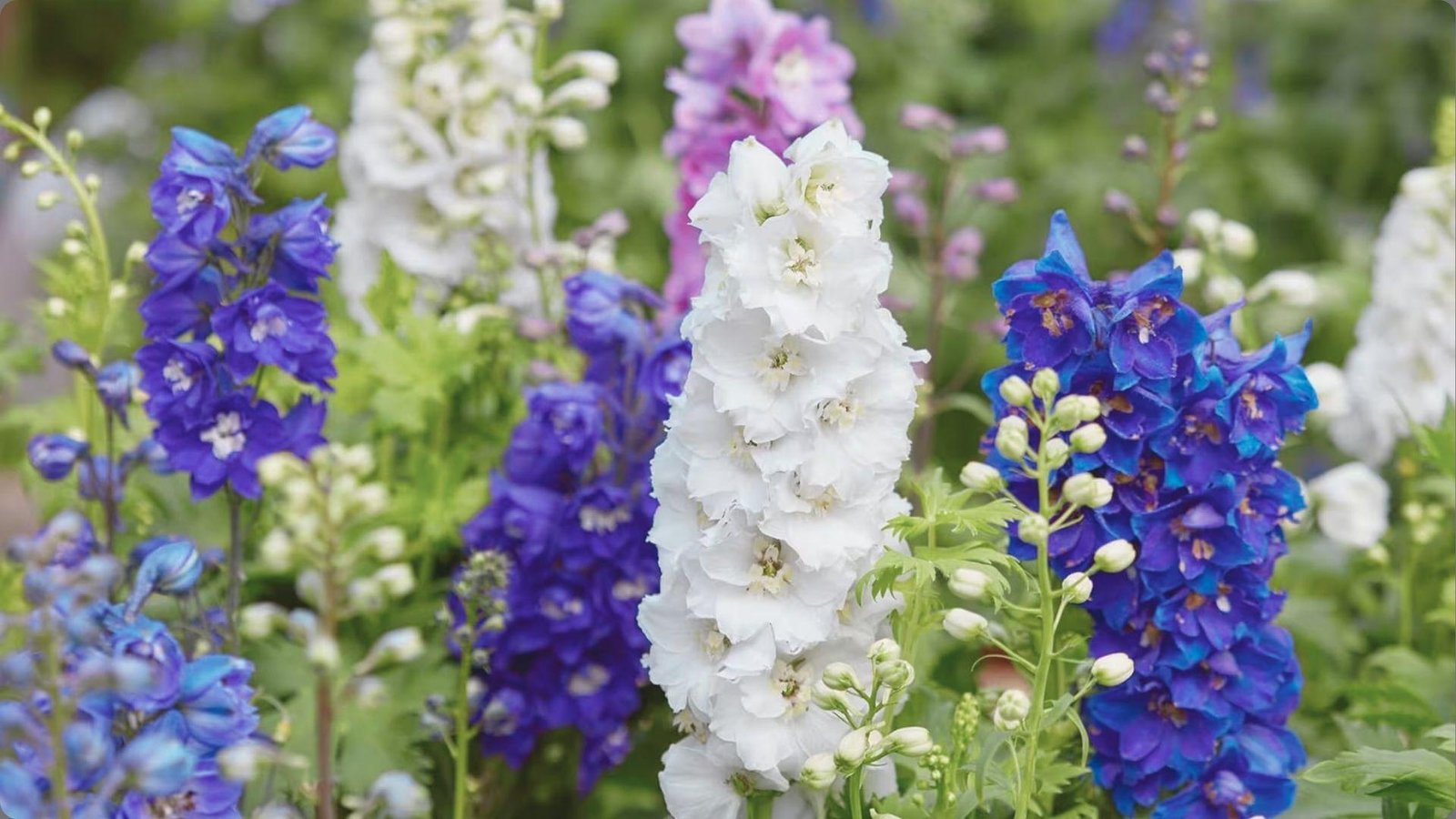
It blooms in late spring through summer. Larkspur grows tall with spike-shaped clusters of flowers in purple, pink, white, and blue.
Why Is Larkspur the Birth Flower for July?
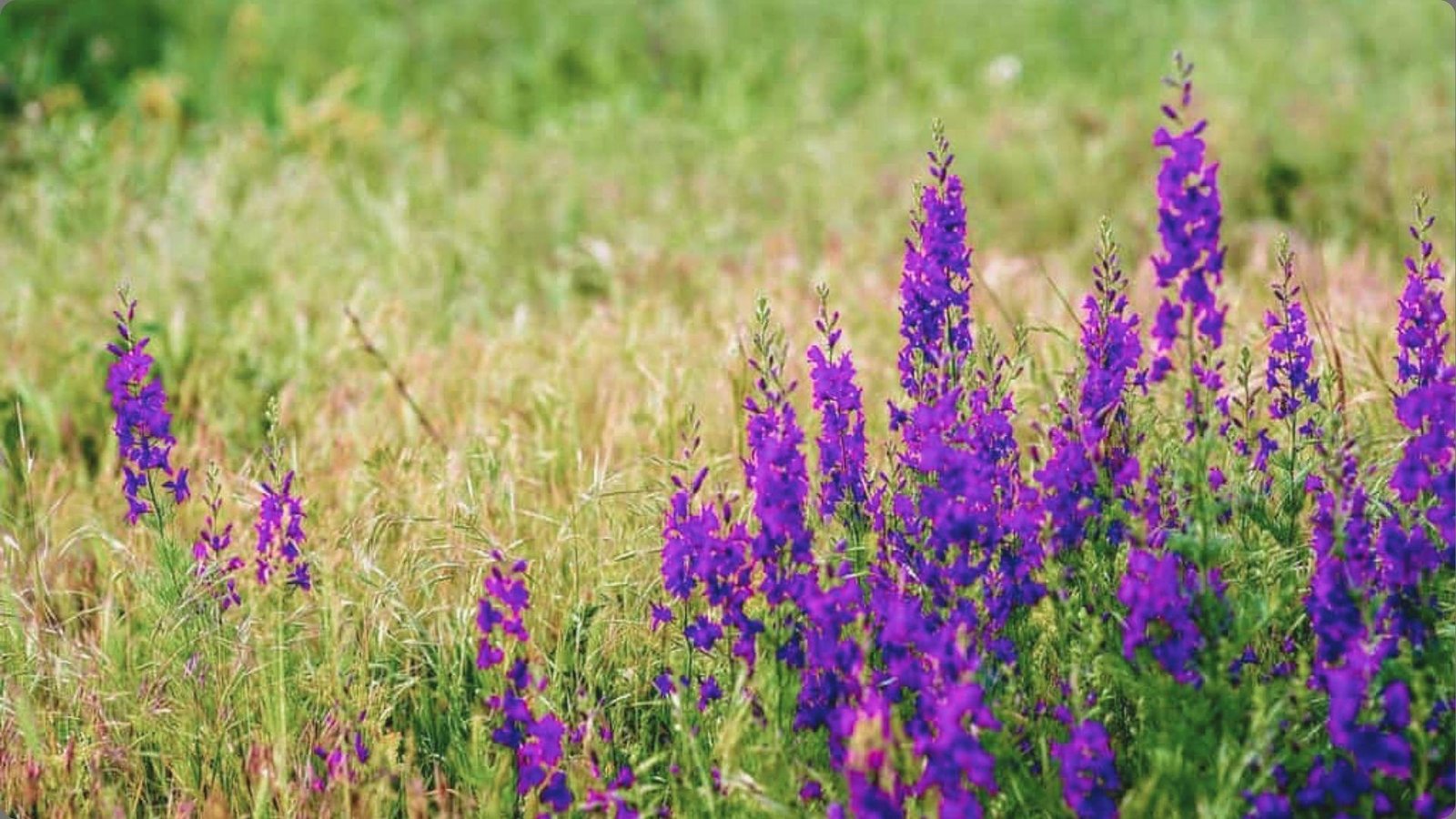
Larkspur blooms naturally in summer, making it a fitting match for July. Its peak season lines up with the month, which is why it earned this association over time.
Birth flower traditions go back to ancient Rome and later gained popularity in Victorian England. Each month was linked to a flower based on its blooming cycle and meaning.
Larkspur stands out because it carries deep symbolic meaning tied to love, positivity, and celebration. These qualities connect well with July, a month marked by warmth and festivity.
Larkspur Birth Flower Meaning
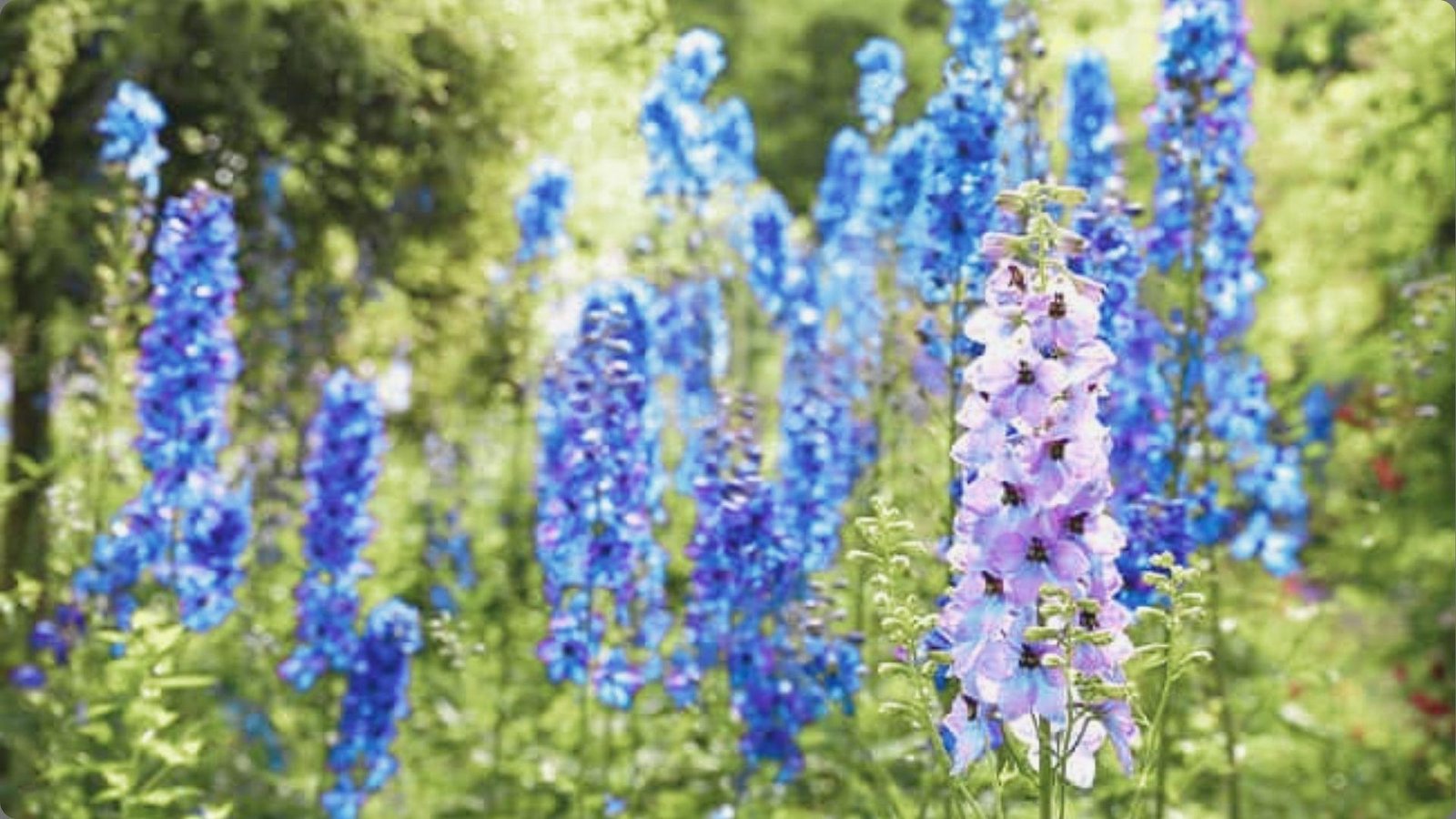
Larkspur carries a rich set of meanings that go beyond its looks. It has been a symbol of deep emotions and positive energy for centuries.
What Does Larkspur Symbolize?
Larkspur is linked to positivity, love, and affection. It represents dedication and sincerity, making it a meaningful flower to give someone you deeply care about.
It also stands for strong emotional bonds and an open heart. Many people associate larkspur with joy and optimism, which is why it fits well as a summer birth flower.
The Spiritual Meaning of the Larkspur Flower
Spiritually, larkspur is seen as a symbol of hope and personal growth. It is believed to carry protective energy and is often tied to faith.
Many traditions also connect it to new beginnings, making it a flower people turn to during moments of change or fresh starts.
Larkspur Flower Color Meanings
Blue larkspur stands for dignity, grace, and trust. It is often linked to calm emotions and deep loyalty.
Purple larkspur represents admiration, charm, and first love. It is a popular choice for romantic gestures and heartfelt moments.
Pink larkspur is tied to romance, gentleness, and caring affection. It works well as a gift for close friends and loved ones.
White larkspur symbolizes purity, innocence, and a happy nature. It is often used in weddings and celebrations to mark joyful occasions.
The History of the Larkspur Birth Flower
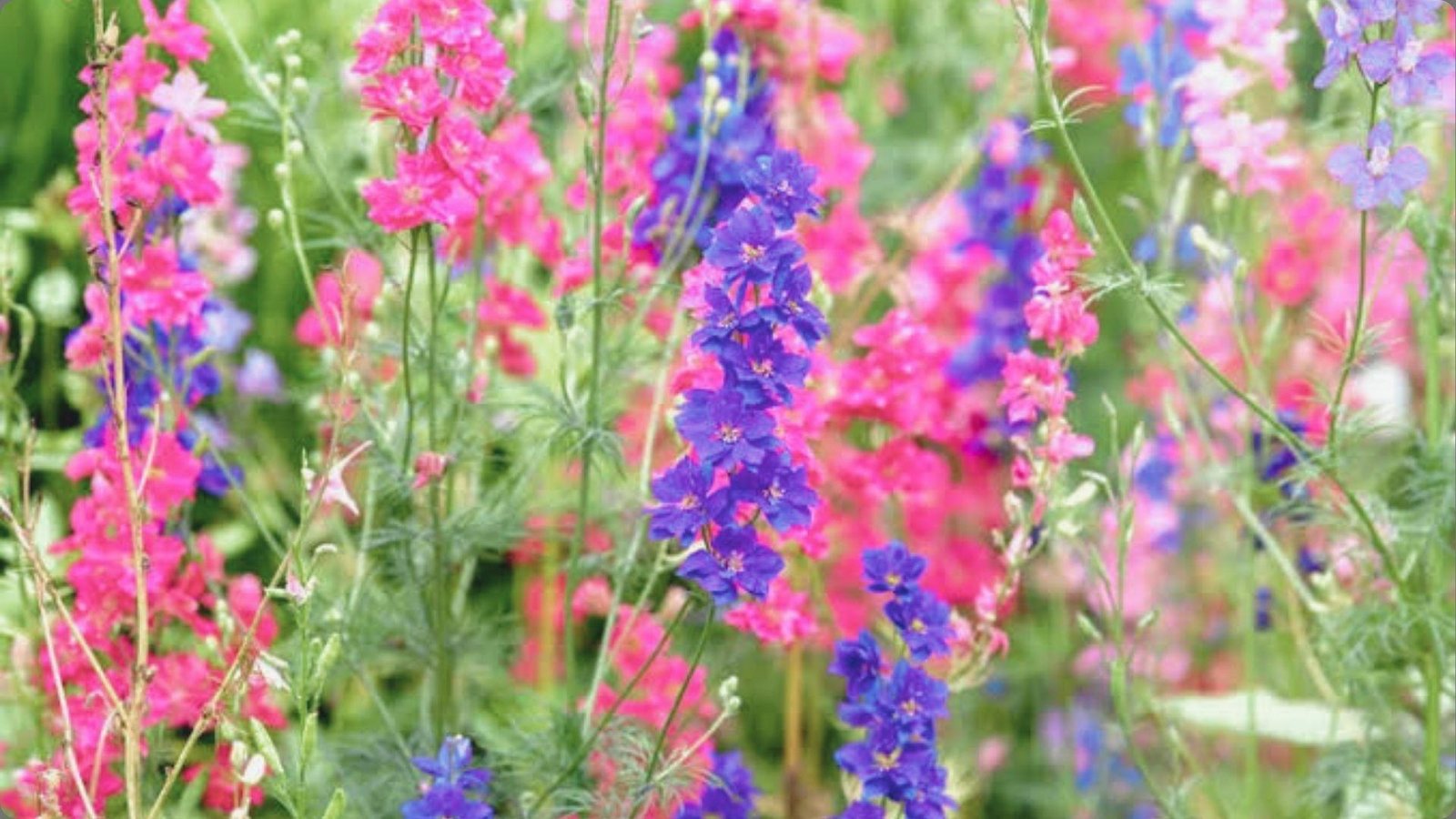
Larkspur has a long history that spans cultures and centuries. Its story is rooted in mythology, tradition, and everyday human life.
Greek Mythology and Ajax
In Greek mythology, larkspur is connected to the hero Ajax. After his death during the Trojan War, the flower was said to have grown from his blood.
This story made larkspur a symbol of grief and remembrance in ancient Greek culture.
Victorian Language of Flowers
During the Victorian era, flowers were used to send hidden messages. Larkspur was a popular choice because it carried meanings of love and strong attachment.
People would give larkspur to express feelings they could not say out loud.
Medieval Folklore and Protective Beliefs
In medieval Europe, larkspur was believed to ward off evil spirits and protect against harm. People hung dried larkspur near doorways and windows to keep negative energy away.
These beliefs made it a trusted flower in folk traditions across the continent.
Native American Uses and Traditions
Several Native American tribes used larkspur for practical and ceremonial purposes. Some tribes used it to make blue dye for clothing and crafts.
Others used parts of the plant in traditional medicine, though with care due to its toxic nature.
What Does the Larkspur Birth Flower Look Like?
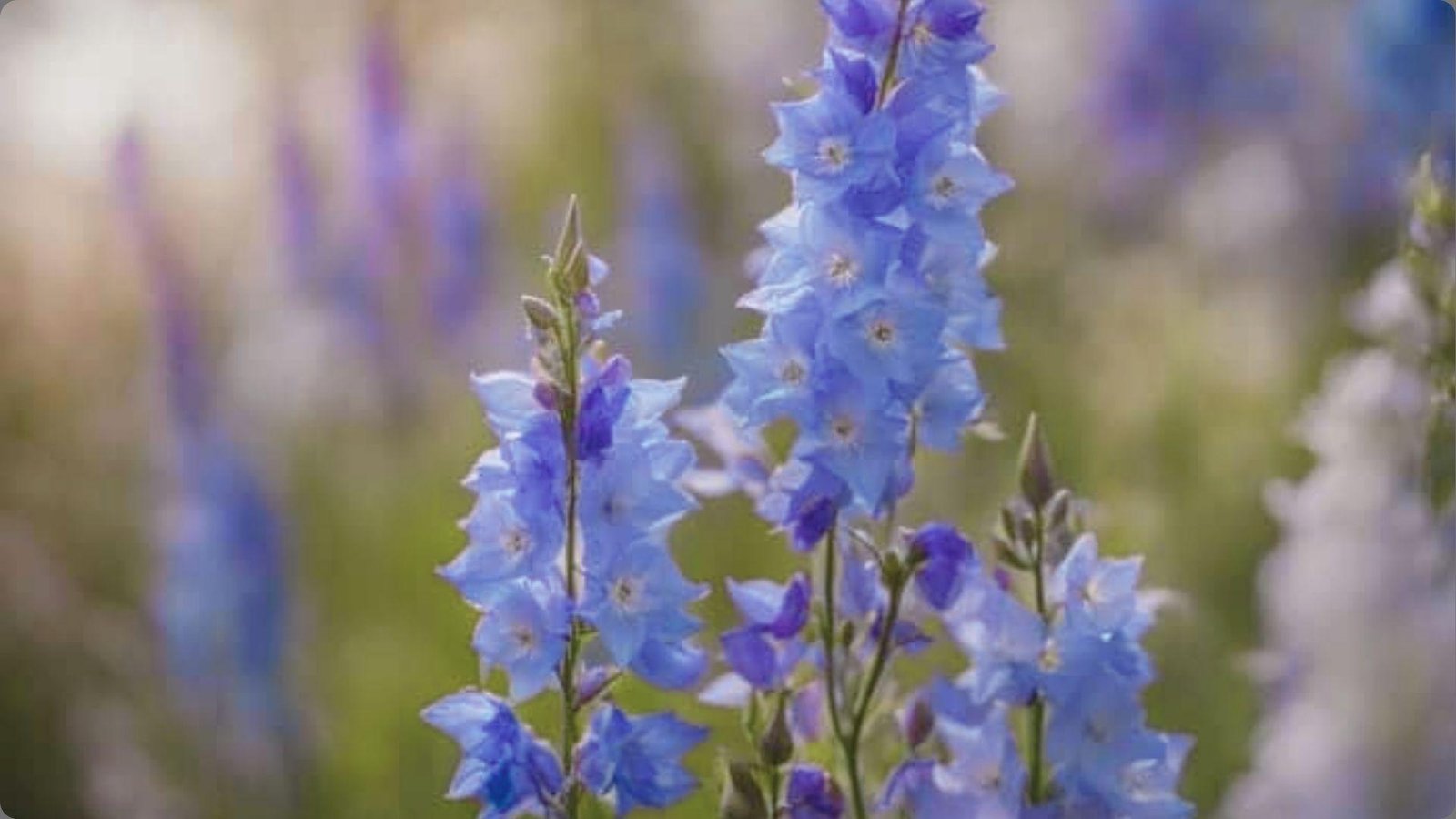
Larkspur has tall, upright spikes covered in small, delicate blooms. The flowers have a distinctive spur at the back, which gives the plant its name. It typically grows between one to six feet tall.
It comes in shades of blue, purple, pink, white, and red. Blooming runs from late spring through midsummer, peaking in June and July.
The annual larkspur completes its life cycle in one season. Perennial varieties, known as delphiniums, come back each year and tend to grow taller.
Interesting Facts About the Larkspur Birth Flower
Larkspur is more than just a pretty summer flower. It has a fascinating background that covers language, science, nature, and history.
- The name "larkspur" comes from the spur-shaped petal at the back of the flower, which looks like the claw of a lark bird. This perfect feature sets it apart from most other garden flowers.
- The scientific name Delphinium comes from the Greek word for dolphin. Early botanists felt the shape of the flower bud closely resembled a dolphin's nose.
- Larkspur attracts bees, butterflies, and hummingbirds because of its nectar-rich blooms. Planting it in a garden actively supports local pollinator populations.
- Historically, larkspur was used to make blue dye and as a remedy for lice and parasites. The plant is toxic in large doses, so historical medicinal use required careful handling.
- Larkspur can self-seed easily, dropping seeds that grow into new plants the following season. It thrives in cool weather and grows best when planted in fall.
Conclusion
Larkspur is not just a July birth flower. It carries real meaning, a long history, and a lot of heart. From ancient myths to Victorian gardens, this flower has meant something to people across generations.
Whether you are gifting it to someone born in July or simply drawn to what it stands for, larkspur is a flower worth knowing. Its colors, its story, and its symbolism all make it special.
If you found this helpful, share it with someone who loves flowers or was born in July!
Frequently Asked Questions
What is the birth flower for July?
July has two official birth flowers, larkspur and water lily. Larkspur is the more widely recognized of the two, known for its tall spikes and rich symbolic meaning.
What does larkspur symbolize?
Larkspur symbolizes love, positivity, sincerity, and strong emotional bonds. It is also associated with joy, open-heartedness, and dedication toward the people you care about.
What do the different colors of larkspur mean?
Each color carries its own meaning. Blue stands for trust and dignity, purple for admiration and first love, pink for romance and gentleness, and white for purity and innocence.
Is larkspur safe to grow at home?
Larkspur is toxic if eaten, so it should be handled with care around children and pets. That said, it is a popular garden flower and perfectly safe to grow outdoors with basic precautions.
When does larkspur bloom?
Larkspur blooms from late spring through midsummer, with peak flowering in June and July. It grows best in cool weather and does well when seeds are planted in the fall season.