If you have ever stood in a garden and wondered whether you are looking at a day lily or a tiger lily, you are not alone.
Most people mix them up because the names sound similar and the flowers look alike at first glance.
But these two plants are actually very different from each other. They come from different plant families, grow in different ways, and suit different garden needs.
Having spent years working with garden plants, I can tell you that knowing the difference saves a lot of trouble at planting time.
In this blog, we will cover how to tell them apart, how to identify each one, and which plant works best for your garden.
Is a Day Lily a True Lily?
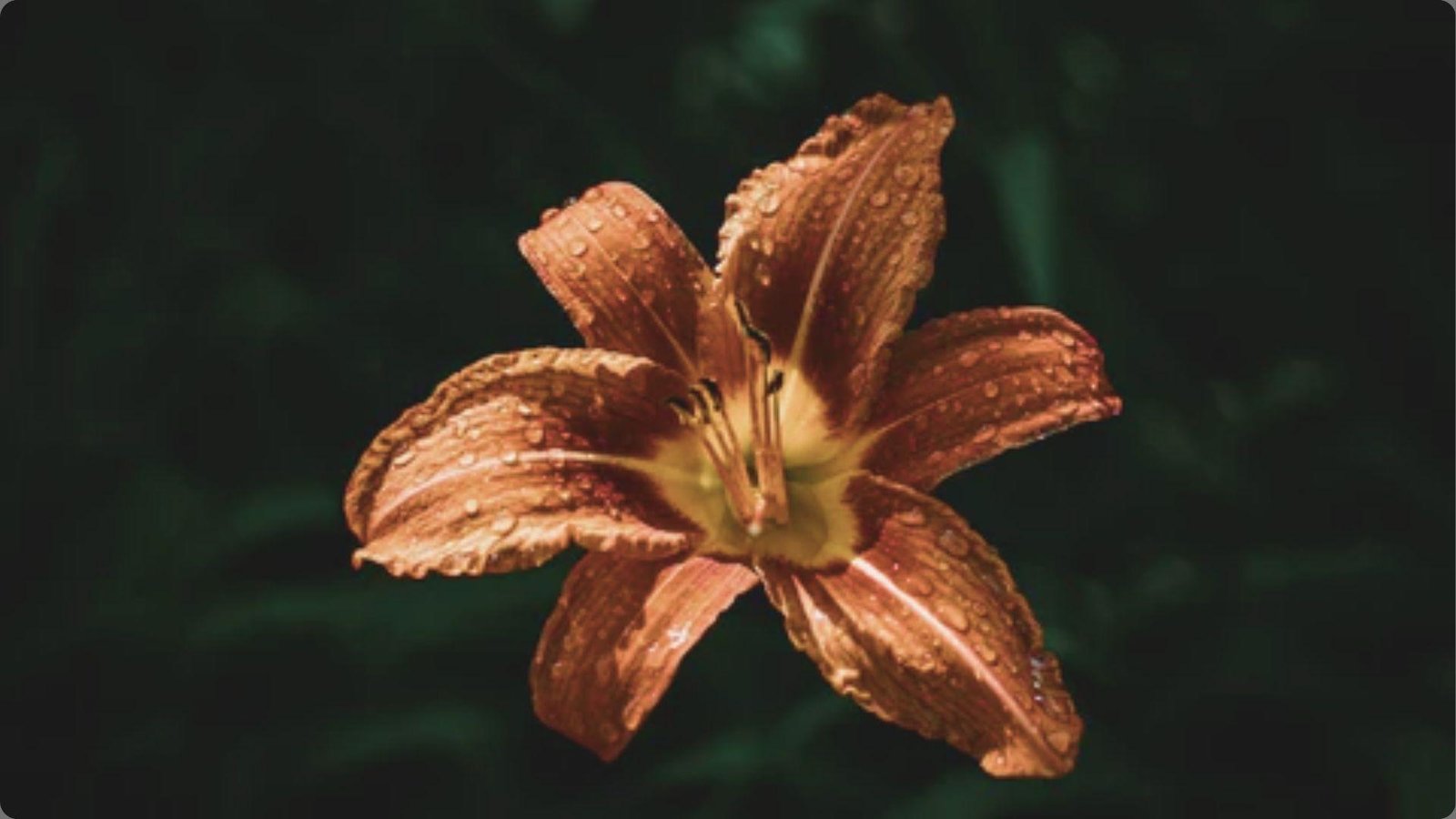
Day lilies and true lilies share a name but belong to completely different plant families. True lilies come from the genus Lilium and grow from bulbs.
Day lilies belong to the genus Hemerocallis and grow from fleshy roots. A true lily has petals that grow from a central bulb, while a day lily produces each flower for just one day.
The name similarity comes from their similar flower shape, which has caused long-standing confusion among gardeners and plant buyers alike.
Day Lily vs Tiger Lily at a Glance
Here is a side-by-side look at how these two plants compare across the most important features.
| Feature | Day Lily | Tiger Lily |
|---|---|---|
| Botanical Name | Hemerocallis spp. | Lilium lancifolium |
| Plant Family | Asphodelaceae | Liliaceae |
| True Lily or Not | No | Yes |
| Root System | Tuberous roots | Underground bulb |
| Stem Structure | Bare flower scape | Single leafy stem |
| Leaf Arrangement | Grass-like, from base only | Along the entire stem |
| Flower Appearance | Open trumpet shape, wide color range | Spotted, swept-back orange petals |
| Bloom Duration | One day per flower | Several days per flower |
| Height | 1 to 4 feet | 2 to 5 feet |
| Growth Habit | Spreading clumps | Upright, less spreading |
| Toxicity to Cats | Non-toxic | Highly toxic |
| Best Landscape Use | Ground cover, borders, mass planting | Focal point, cottage gardens |
Day Lily vs Tiger Lily: 7 Easy Ways to Tell Them Apart
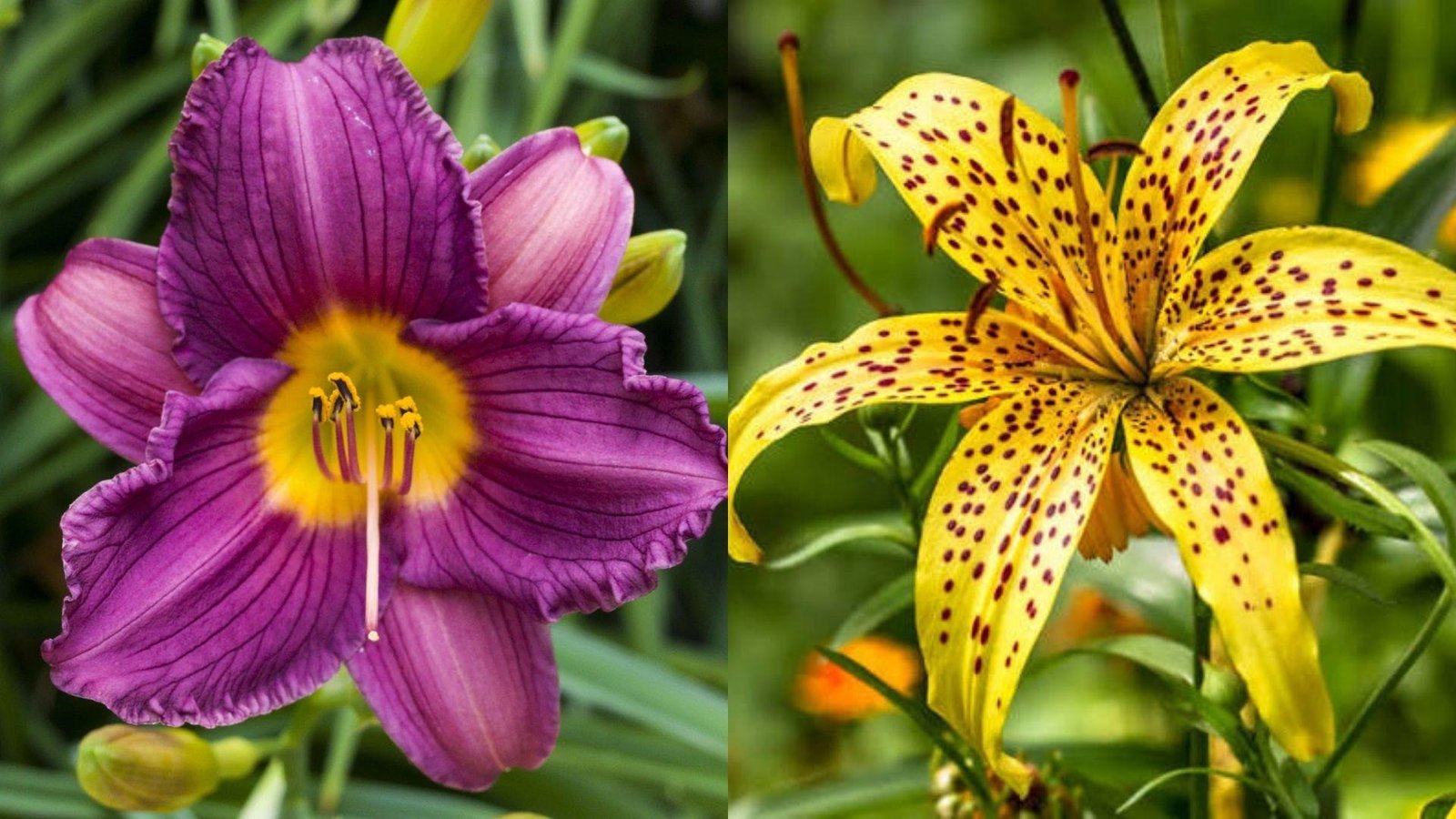
Day lilies and tiger lilies may look similar at first glance, but they are quite different plants. Here are seven easy ways to tell them apart.
1. Flower Shape and Appearance
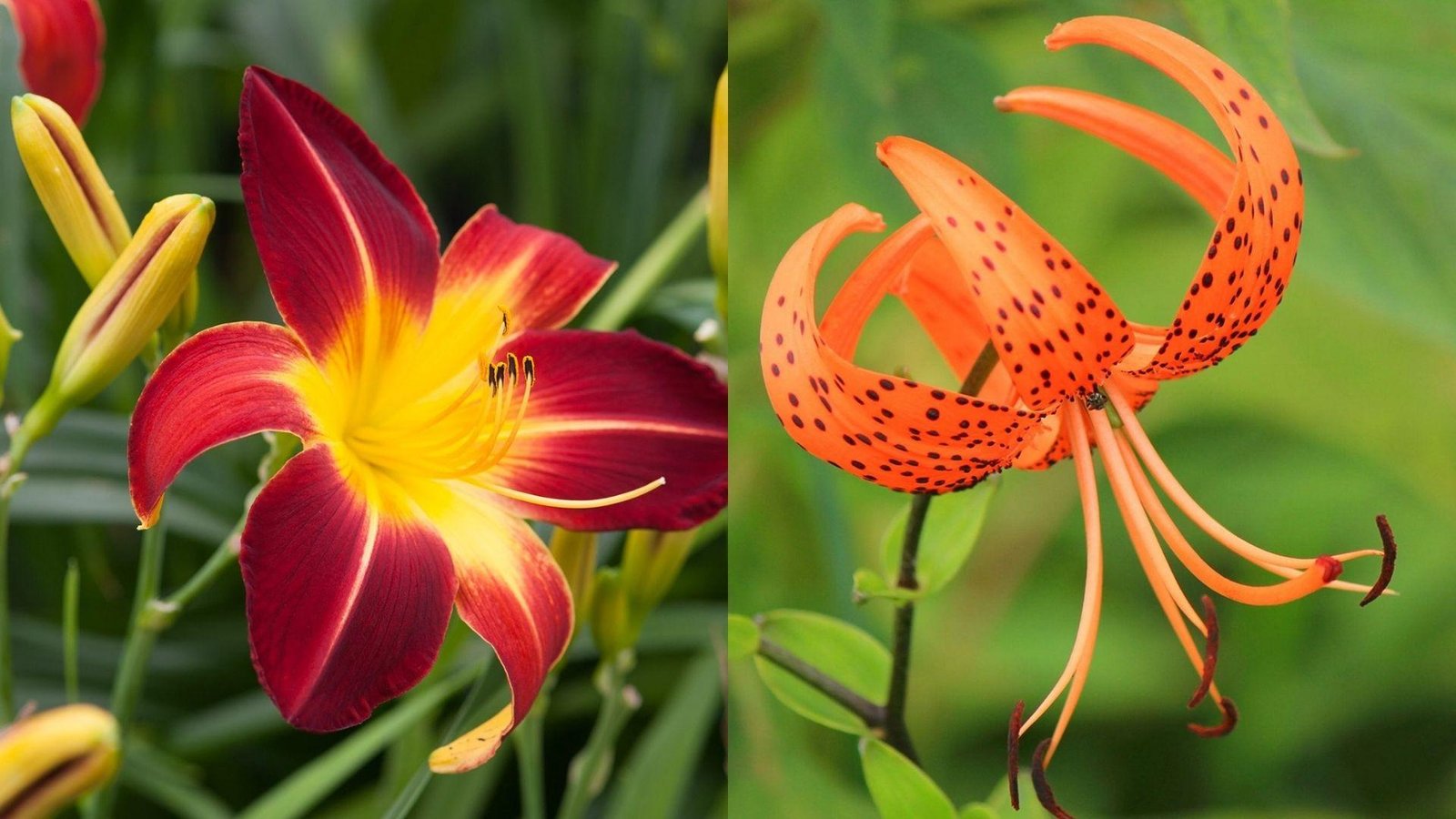
Tiger lilies have strongly swept-back petals that curl away from the center. The petals point backward, giving the flower a dramatic look.
Day lilies have wide, open flowers that face outward in a soft trumpet shape. The two flowers look quite different up close once you know what to look for.
2. Flower Color and Patterns
Tiger lilies are mostly orange with bold black spots across the petals. These spots are a strong identification mark.
Day lilies come in a wide range of colors, including yellow, red, pink, and purple. Most day lily flowers have no spots at all, though some may show light streaking near the center.
3. Bloom Duration
Tiger lily flowers stay open for several days at a time. Each bloom holds up well through the day and night.
Day lily flowers last just one single day. A new bud opens each morning and fades by evening, but the plant keeps producing new buds for weeks.
4. Stem Structure
Tiger lilies grow on a single upright stem covered with leaves from bottom to top. Day lilies grow their flowers on tall, bare stalks called scapes.
These scapes rise up from the base of the plant and carry no leaves at all. This gives day lilies a clean, simple look compared to tiger lilies.
5. Leaf Arrangement
Tiger lily leaves grow all along the stem in a dense, layered pattern. Day lilies have long, narrow, grass-like leaves that grow only from the base of the plant.
These leaves form a low, arching clump close to the ground. The leaf arrangement alone can help you tell the two plants apart quickly.
6. Root System
Tiger lilies grow from bulbs underground, similar to tulips and onions. These bulbs store energy and allow the plant to regrow each year.
Day lilies grow from thick, fleshy tuberous roots that spread outward over time. The root type affects how each plant spreads and how you move them in the garden.
7. Growth Habit
Tiger lilies grow in upright clumps and tend to stay in one spot without spreading too aggressively. Day lilies spread more freely, forming wider clumps each season.
Day lilies are known for being tough and low-maintenance. Tiger lilies grow taller but may need a little more care to perform well year after year.
How to Identify a Tiger Lily
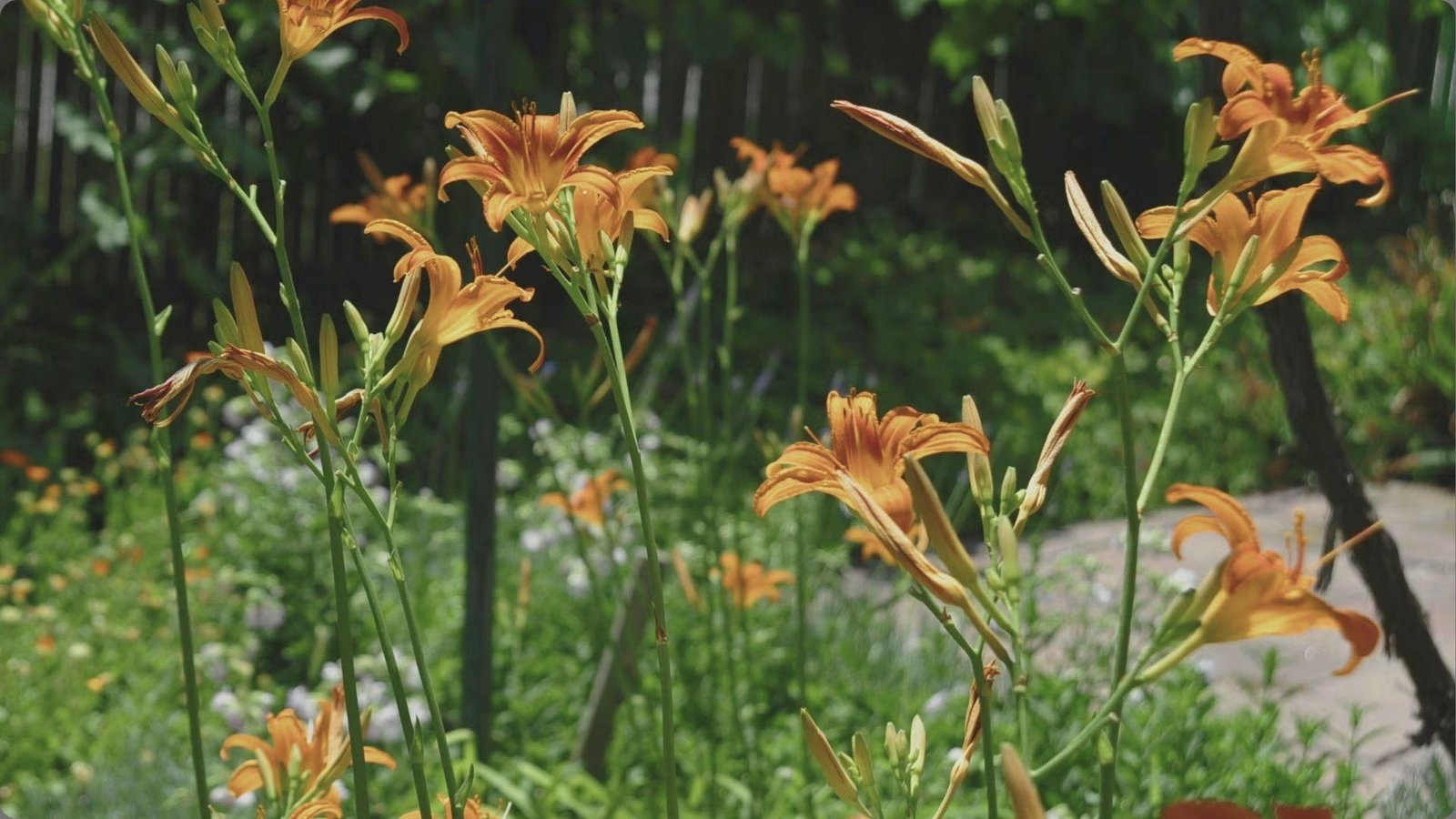
Tiger lilies have bright orange, spotted flowers with petals that curve sharply backward. The stem is tall and covered with leaves all the way up.
Below the ground, you will find a scaly bulb that stores energy for the plant. One of the most perfect features is the small black bulbils that grow along the stem where the leaves meet.
These tiny bulbils can grow into new plants and are a clear sign you are looking at a tiger lily.
How to Identify a Daylily

Daylilies are easy to spot by their long, narrow leaves that grow in low clumps from the base of the plant. The flower stalks rise tall and bare above these leaves, with no foliage on them at all.
Each flower opens in the morning and closes by evening, lasting just one day. Below the soil, daylilies have thick, fleshy roots instead of bulbs.
This root system spreads steadily over time, which is why daylilies are known for filling garden spaces so reliably.
Day Lily vs Tiger Lily: Which Is Better for Your Garden?

Both plants have their strengths, and the right choice depends on what you need from your garden. Here is a simple breakdown to help you decide.
Choose a Tiger Lily If…
You want tall, dramatic flowers that stand out in a garden bed. Tiger lilies work well in cottage-style gardens where bold color and height make a strong visual impact.
They also stay fairly contained, so they are a good fit if you are working with a smaller planting area and do not want a plant that spreads too far.
Choose a Daylily If…
You want a plant that takes care of itself through the season. Daylilies need very little attention once they are settled in and produce flowers consistently over a long period.
They spread quickly and fill in open spaces well, making them a practical pick for larger garden areas or spots where you want steady, reliable ground coverage without much effort.
Conclusion
Day lilies and tiger lilies are both worth growing, but they suit different needs. If you want bold, upright flowers with a classic look, tiger lilies are a solid pick. If you need something tough, colorful, and easy to manage, day lilies rarely disappoint.
After years of seeing both in gardens, the best choice always comes down to your space and how much time you want to spend. Pick the one that fits your garden and enjoy the blooms.
Got questions? Drop them in the comments below!
Frequently Asked Questions
Are day lilies and tiger lilies the same plant?
No, they are two completely different plants. They come from different plant families, have different root systems, and grow in very different ways.
Can tiger lilies harm cats?
Yes, tiger lilies are highly toxic to cats and can cause serious health problems. Day lilies, on the other hand, are considered non-toxic to cats.
How long do day lily flowers last?
Each day lily flower opens in the morning and fades by evening, lasting just one day. However, the plant continues to produce new buds over several weeks.
Do tiger lilies spread like day lilies?
Tiger lilies stay fairly contained and do not spread as much. Day lilies spread more freely over time and can fill large garden spaces within a few seasons.
Which is easier to grow, a day lily or a tiger lily?
Day lilies are generally easier to grow and need very little care once planted. Tiger lilies can do well too, but they may need a bit more attention to stay healthy season after season.