Every birth month has a flower, and January has two. That alone makes it special. The carnation and the snowdrop are not just pretty winter blooms.
They carry meaning that has been passed down through cultures and centuries. The carnation stands for love, strength, and devotion. The snowdrop speaks of hope and fresh starts. If you were born in January, these flowers say something about you.
And if you are shopping for a January birthday gift, knowing this makes all the difference.
Read on to find out what these two flowers truly mean and why January is one of the most significant birth months in floral history.
What Is the January Birth Flower?
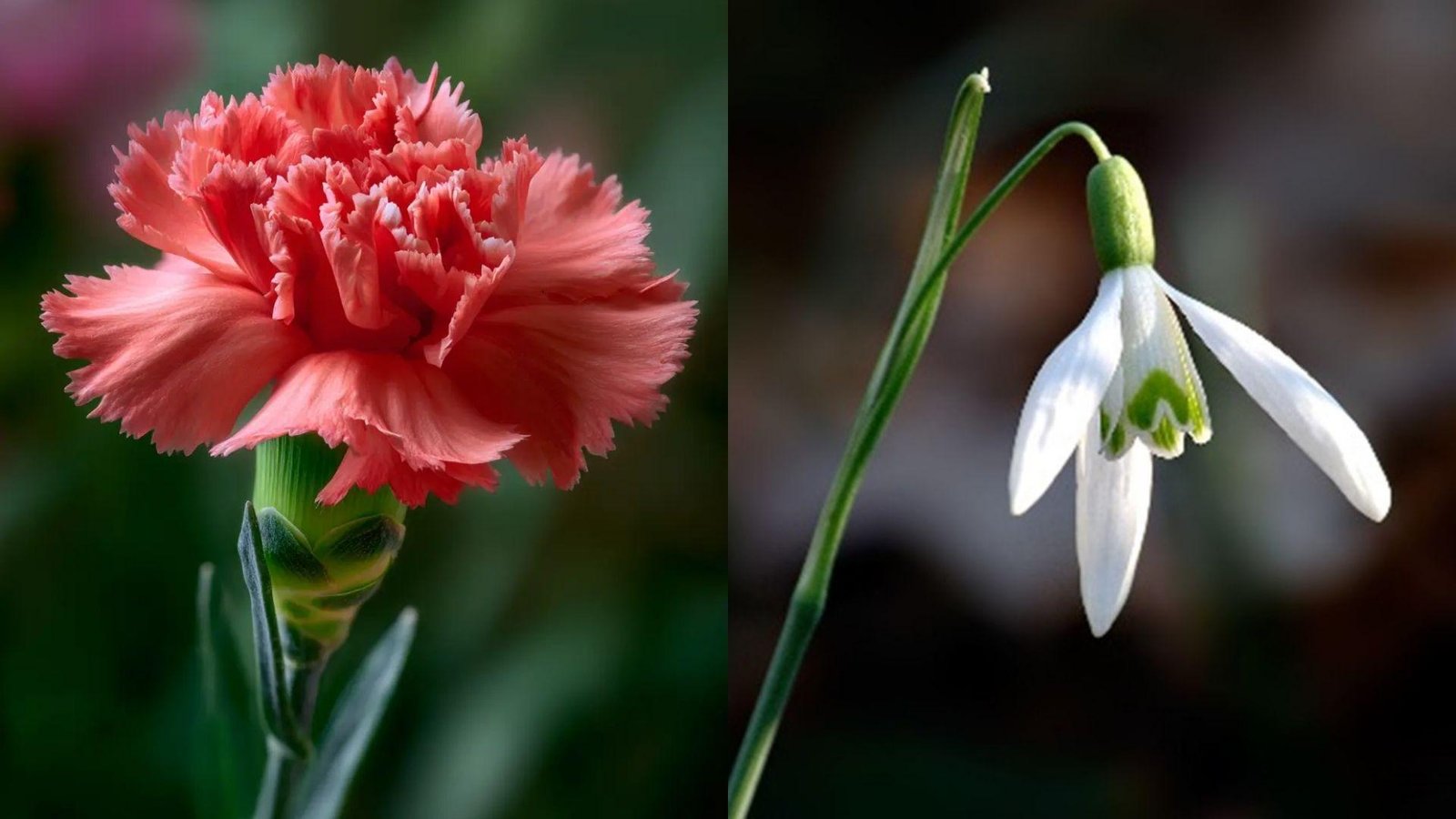
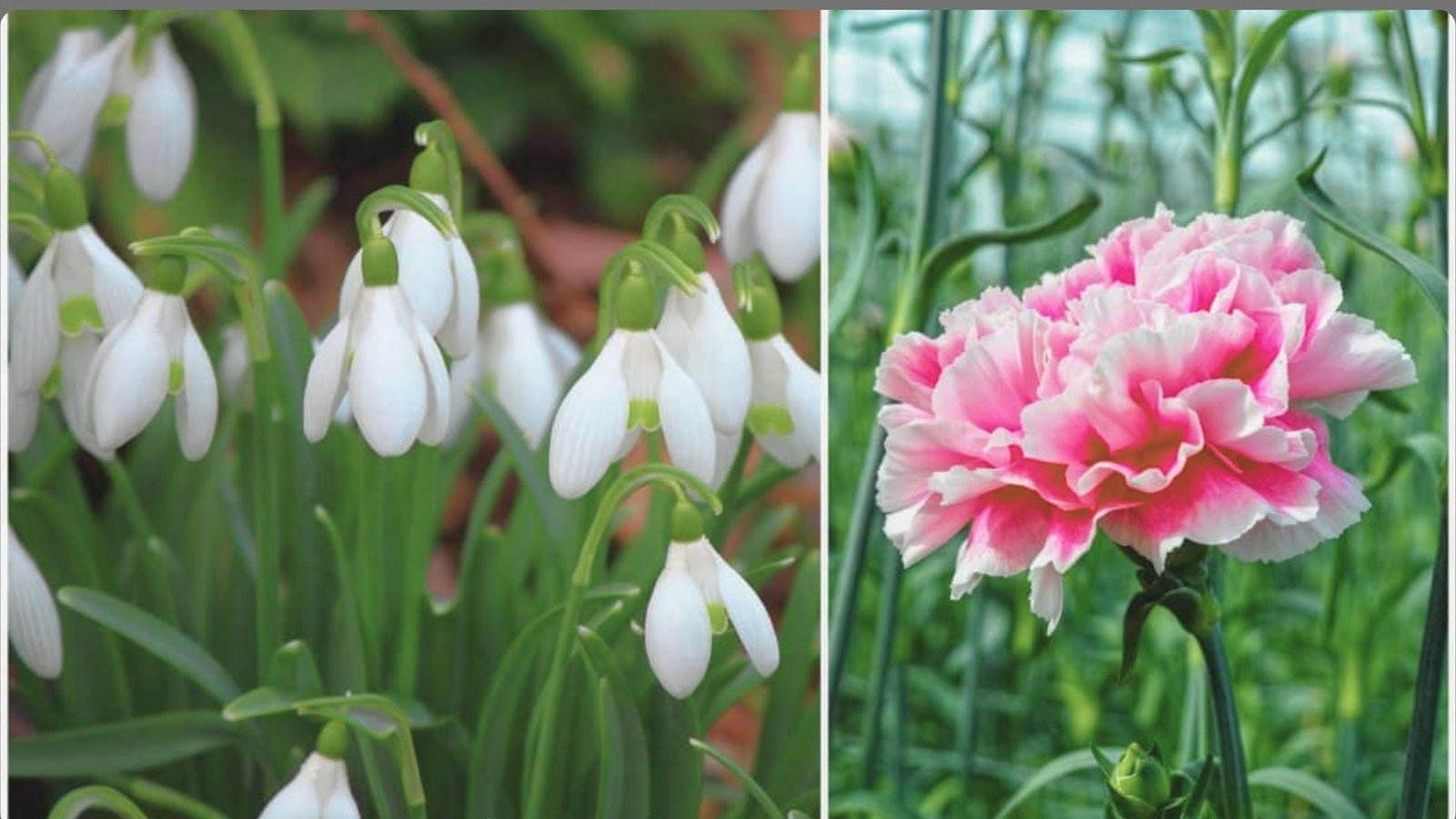
January has two birth flowers:the carnation and the snowdrop. Carnations are bold, colorful blooms known for their rich symbolism and year-round availability. Snowdrops are small, white winter flowers that appear in the cold months, carrying a quiet but deep meaning.
Many floral traditions recognize two flowers for January, giving the month a fuller representation across seasons and cultures.
Together, these two flowers capture both strength and softness, making January one of the most meaningful birth months in floral history.
Carnation – January Birth Flower Meaning
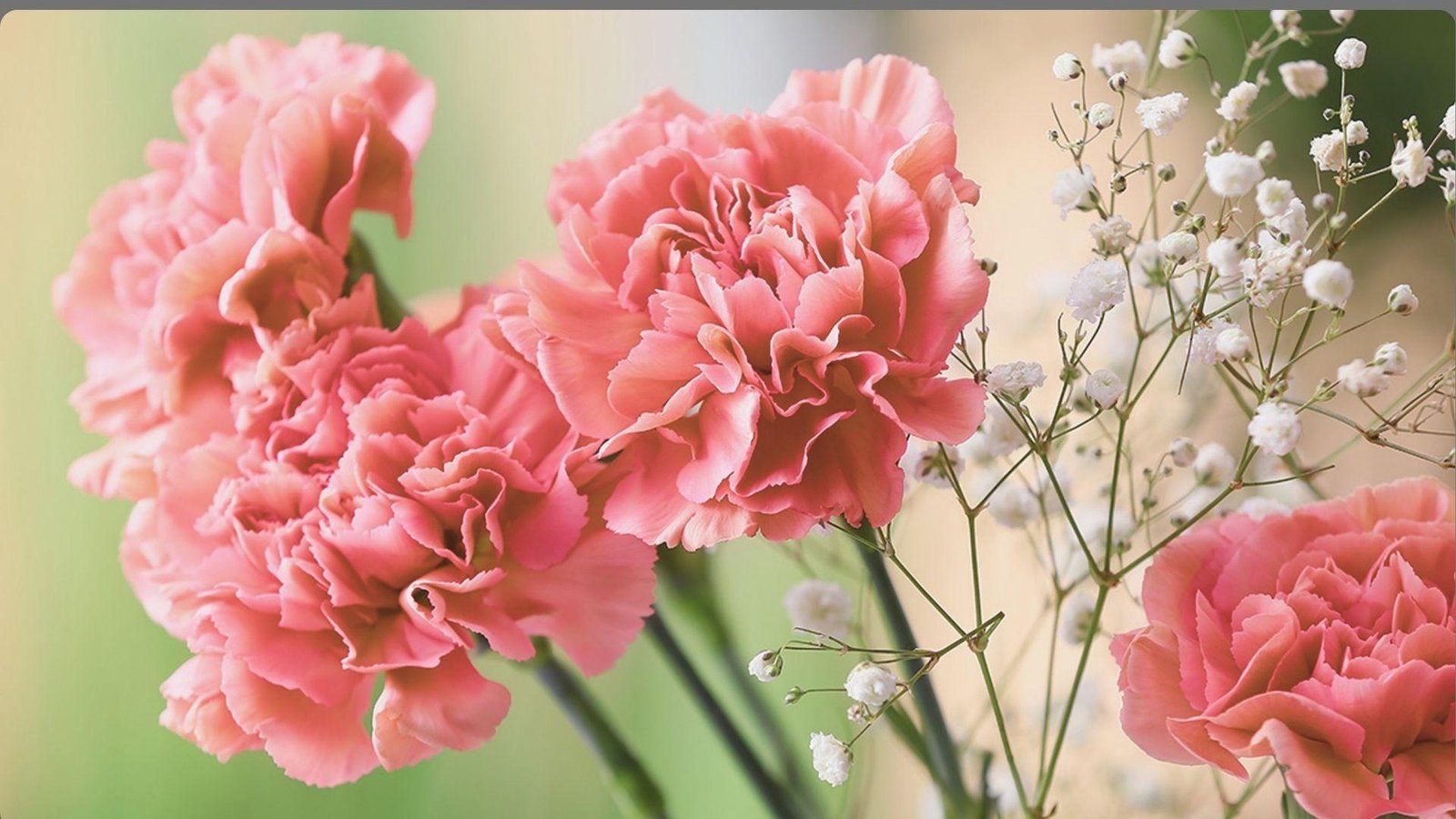
The carnation is one of January's most recognized birth flowers. Its bold colors and deep symbolism make it a bloom worth knowing.
Carnation Overview
The carnation, known scientifically as Dianthus caryophyllus, has been cultivated for centuries. It grows well in cool weather, making it a strong winter flower.
Carnations are valued across cultures for their lasting freshness and wide color range.
Carnation Symbolism
Carnations represent love, admiration, and devotion. They are closely tied to motherly affection, especially in pink shades.
White carnations symbolize remembrance and respect. At the core, this flower stands for emotional strength and deep personal connection.
Carnation Color Meanings
Red carnations express deep love. Pink ones represent gratitude and a mother's care. White carnations are linked to purity and remembrance.
Yellow carnations carry a contrasting message, traditionally associated with rejection or disappointment.
Why Carnation Represents January
Carnations grow well in cool temperatures, making them a natural fit for winter. They are strong, long-lasting blooms that hold up through cold months.
This durability makes the carnation a true symbol for those born in January.
Snowdrop – January Birth Flower Meaning
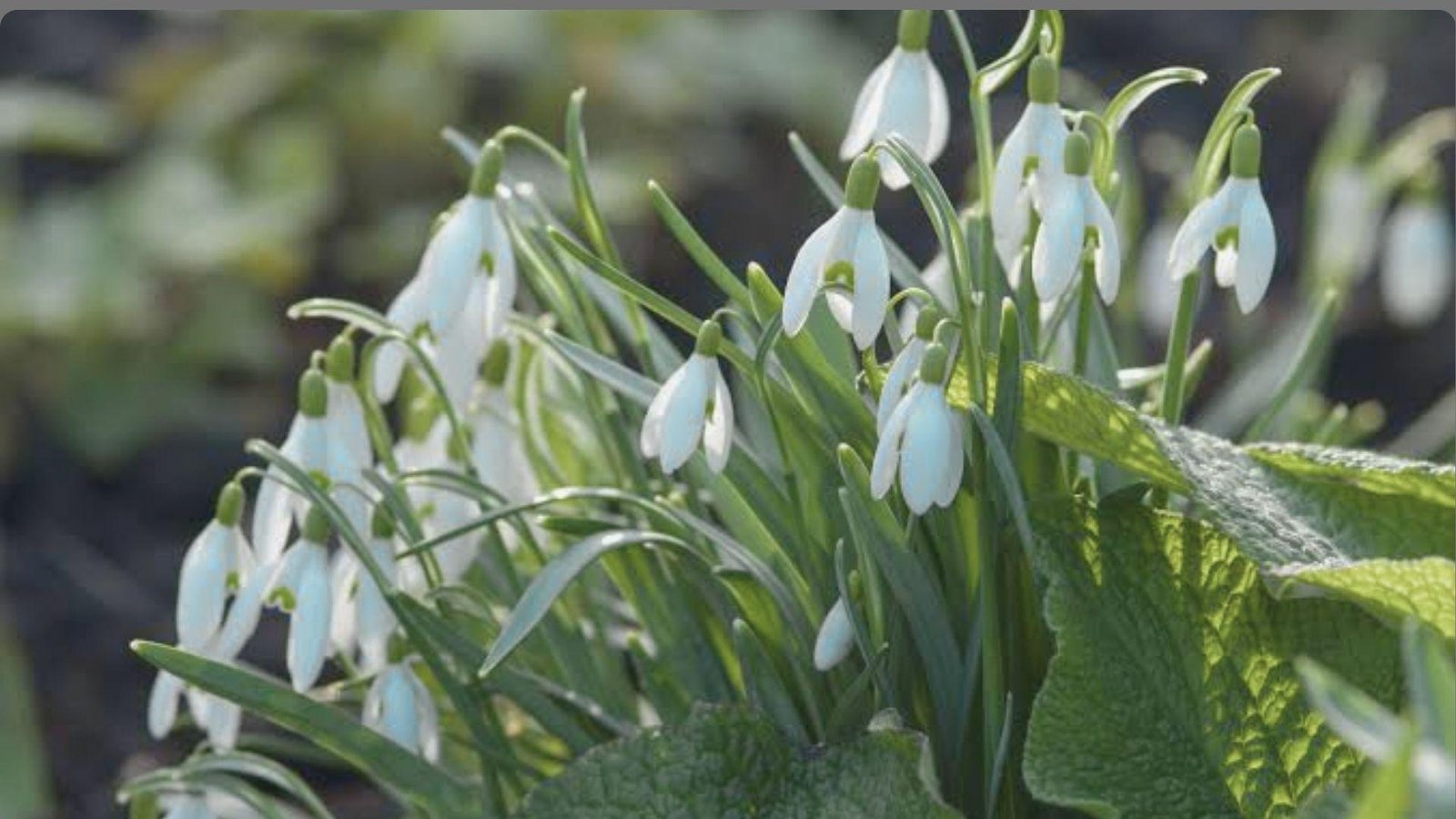
The snowdrop is January's quieter birth flower. Small in size but strong in meaning, it carries a message of hope that feels right for the start of a new year.
Snowdrop Overview
The snowdrop, botanically known as Galanthus nivalis, is one of the earliest flowers to bloom each year. It often pushes through frozen ground while snow is still present.
This makes it a rare and striking sight in the coldest months of winter.
Snowdrop Symbolism
Snowdrops are closely linked to hope, renewal, and new beginnings. Their white petals represent purity and innocence.
They are also seen as a flower of consolation, often given to bring comfort during difficult times or periods of loss.
Snowdrop Cultural Meaning
Snowdrops have a long presence in winter folklore across different cultures. They are seen as a symbol of inner strength during hard times.
Many traditions view the snowdrop as a sign of the shift from winter to spring, marking the quiet promise of better days ahead.
Why January Has Two Birth Flowers
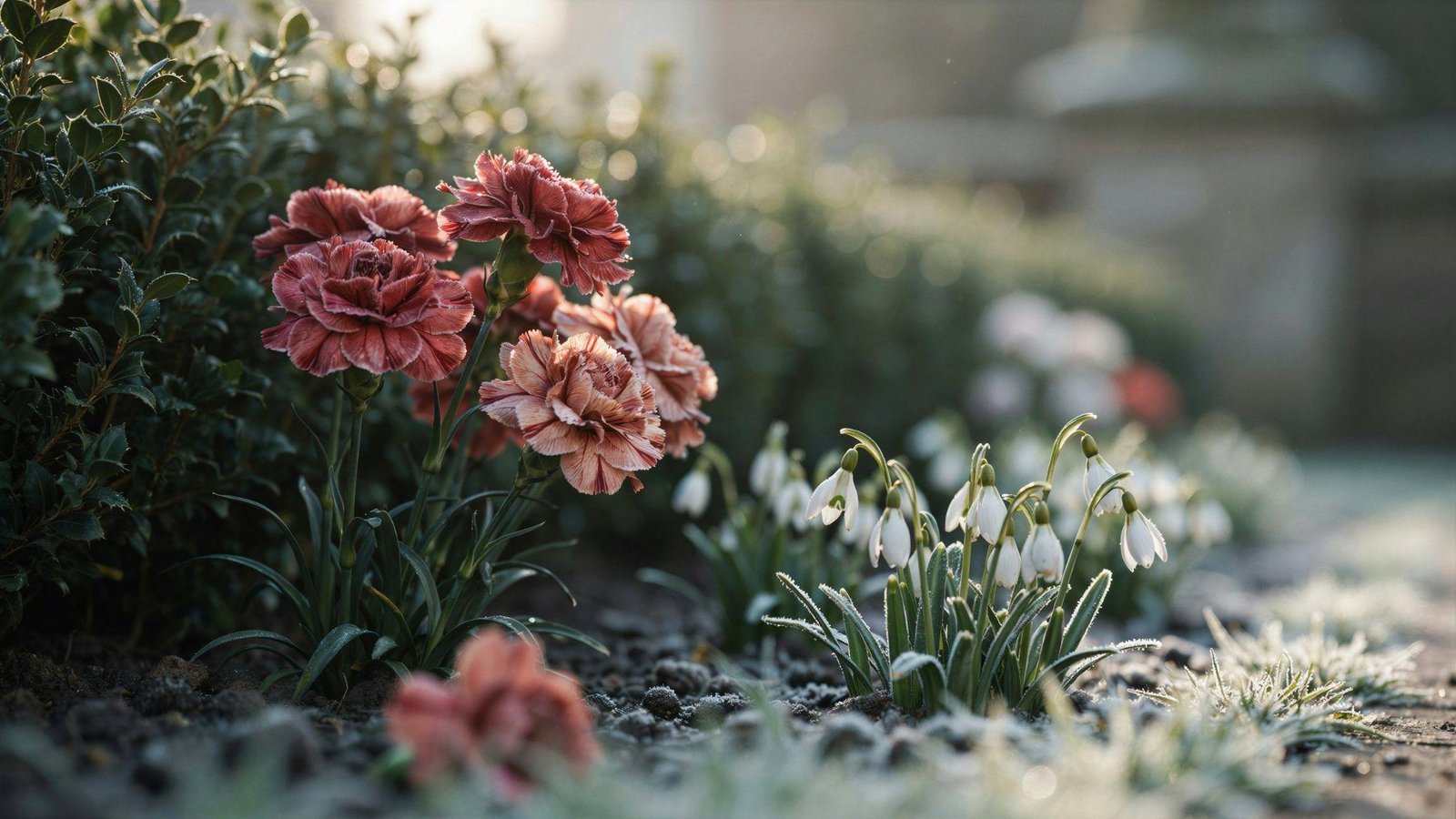
January is one of the few months with two birth flowers. Each one brings its own meaning, and together they represent what this winter month stands for.
Historical Background
The practice of assigning birth flowers traces back to Roman floral traditions. Over time, regional differences in flower availability led to changes in these assignments.
As floral symbolism grew across cultures, some months like January came to carry two flowers.
Symbolic Balance of Both Flowers
The carnation and snowdrop complement each other well. The carnation brings boldness, love, and emotional depth. The snowdrop offers quiet hope and the promise of renewal.
Together they reflect the full character of January, a month that holds both winter weight and early signs of something new.
Carnation vs Snowdrop – Key Differences
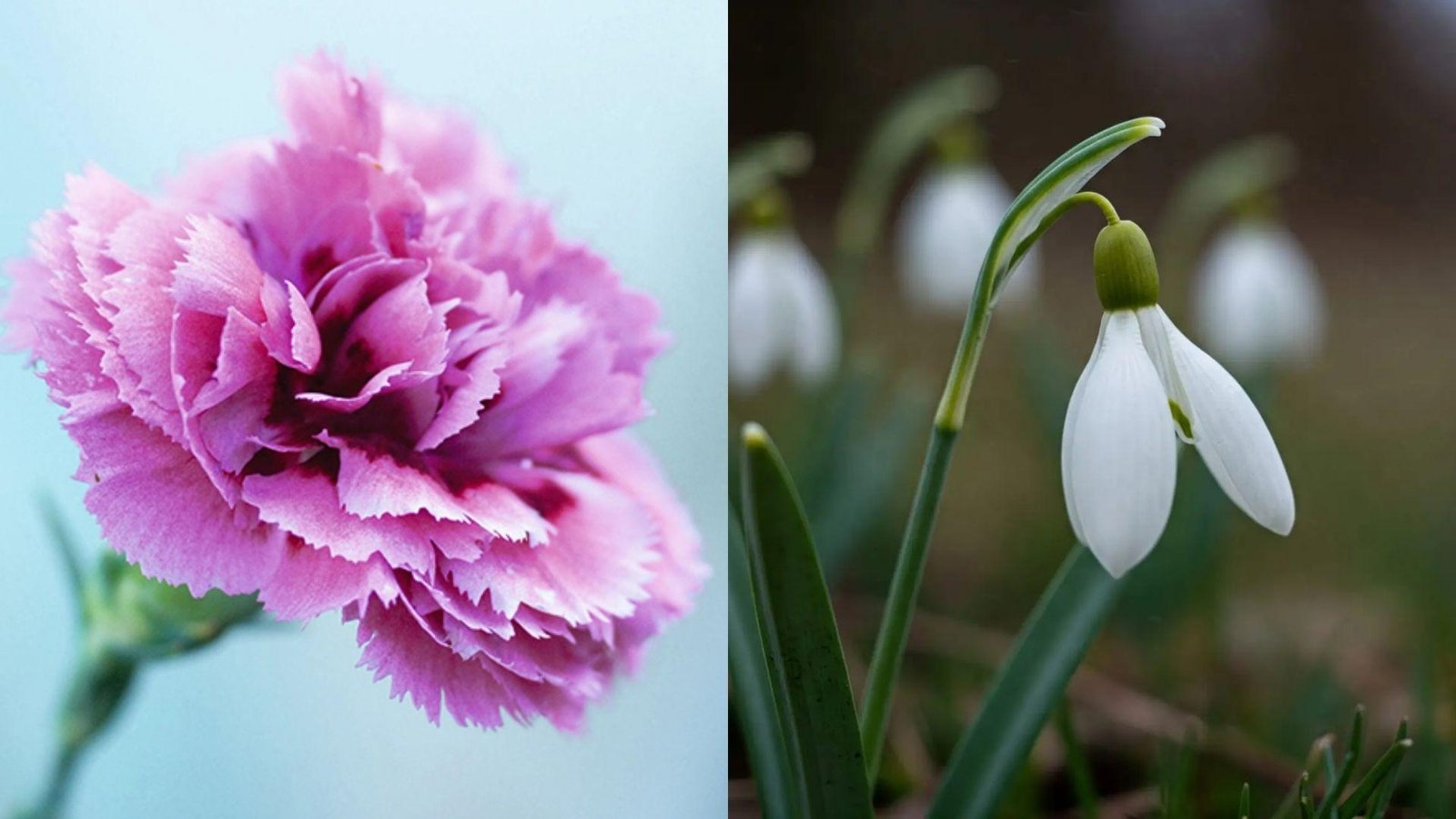
Both flowers belong to January, but they are quite different in look, lifespan, and meaning. Knowing the difference helps you choose the right one for the right moment.
Appearance and Lifespan
Carnations are bold, colorful blooms that last for a long time, even after being cut. Snowdrops are small and white with a short blooming season.
They appear briefly in winter and fade quickly, which adds to their quiet charm.
Symbolic Meaning Comparison
Carnations carry meanings of love, admiration, and devotion. They are warm and expressive by nature. Snowdrops lean toward hope, purity, and resilience.
They are softer in tone but carry a strong inner message, especially for times of change or new beginnings.
Which January Birth Flower Should You Choose?
Choose a carnation when you want a vibrant, lasting gift for a celebration or a loved one.
Choose a snowdrop when the gesture calls for something more personal and symbolic. Both are meaningful, but the right choice depends on what you want to say.
January Birth Flower Meaning in Culture
Carnations and snowdrops have long been part of gifting traditions, especially for January birthdays. A bouquet featuring either flower carries real meaning beyond just its appearance.
Carnations add color and warmth to winter arrangements, while snowdrops bring a quiet, personal touch. Both flowers are tied to themes of renewal and emotional strength.
They connect deeply to the spirit of winter, a season often linked to reflection, hope, and starting fresh.
Conclusion
January gives you two birth flowers, and both say something real. The carnation speaks of love, strength, and lasting bonds.
The snowdrop reminds you that hope shows up even in the coldest moments. Together, they make January one of the most meaningful months in floral tradition.
If you were born in January or know someone who was, these flowers are more than pretty blooms. They carry a story. Give them with intention.
Share this post with a January birthday person who deserves to know what their birth flowers truly mean.
Frequently Asked Questions
What is the birth flower for January?
January has two birth flowers: the carnation and the snowdrop. Both carry distinct meanings and have been part of floral traditions for centuries.
What does the carnation symbolize for January birthdays?
The carnation represents love, admiration, and devotion. It is also tied to motherly affection and emotional strength, making it a meaningful gift for January birthdays.
What does the snowdrop mean as a birth flower?
The snowdrop stands for hope, purity, and new beginnings. It is one of the first flowers to bloom in winter, making it a symbol of resilience and quiet strength.
Why does January have two birth flowers?
The tradition of assigning two flowers to January comes from Roman floral customs and regional flower availability. Over time, both the carnation and snowdrop became recognized as official birth flowers for the month.
Which January birth flower makes a better gift?
A carnation works well for vibrant, celebratory gifts due to its bold colors and long life. A snowdrop is better suited for personal, heartfelt gestures where the meaning matters more than the appearance.