Calendula is easy to grow, but many people struggle with harvesting, drying, and storing the flowers the right way.
This guide walks you through the full process, from picking the best time to harvest to keeping your dried petals fresh for months.
You will learn how to spot ready blooms, dry them properly, and store them so they last longer.
I have grown calendula in my own garden for years, and these are the exact steps that work for me.
If you want bright, useful calendula flowers all year, this article gives you a clear path forward. Let's get your harvest right from the start.
Why Harvesting Calendula the Right Way Matters
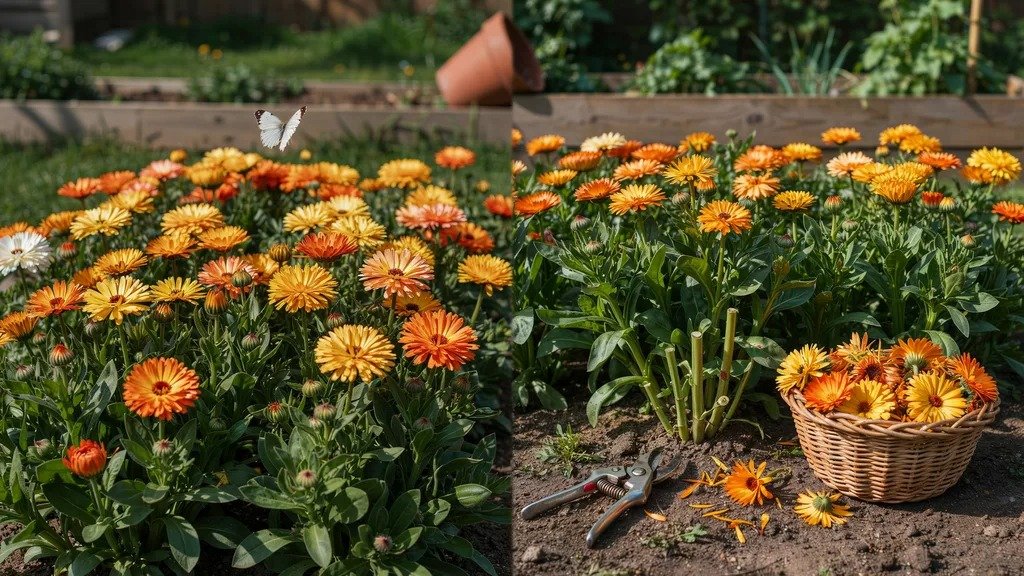
Calendula rewards good care with more flowers. When you harvest at the right time and in the right way, the plant keeps producing blooms for weeks. Skip proper timing or use the wrong method, and you end up with fewer flowers and weaker color.
This matters if you plan to use calendula for tea, oils, or skin care, since quality petals make a real difference in the final product. Harvesting also keeps your plant healthy. Old, spent flowers left on the stem can slow down new growth and attract pests.
Learning the right steps saves you time and stops waste. It also means you get the most value from every plant you grow. A little attention here pays off with a longer bloom season and better results in your kitchen or home apothecary.
Good harvesting habits lead to healthier plants and richer blooms all season long.
How to Harvest Calendula
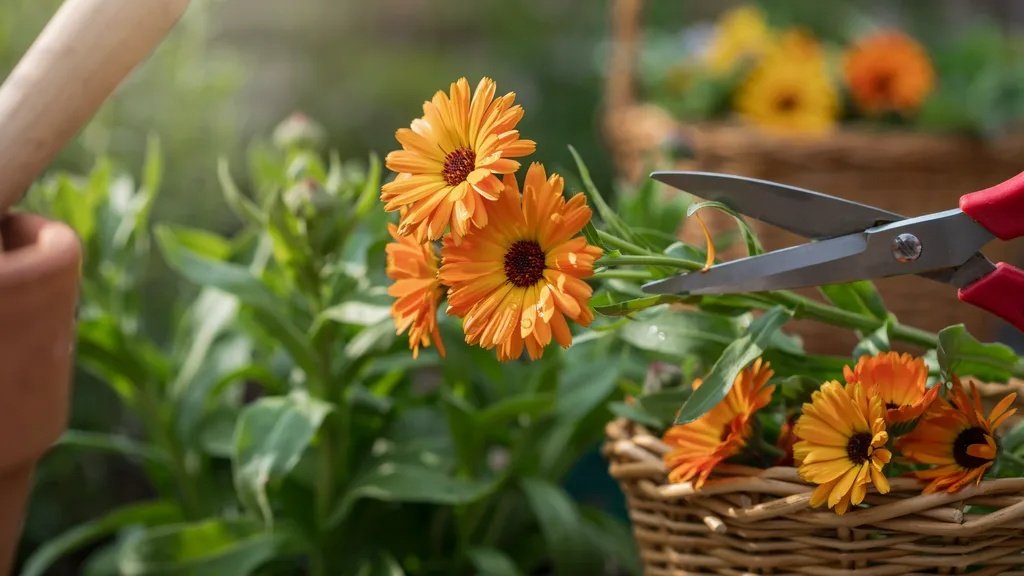
A clear look at the right timing, tools, and steps for harvesting calendula flowers.Harvesting calendula is simple once you know what to look for and when.
When is the Best Time to Harvest Calendula?
The best time is mid-morning, after the dew has dried but before the heat of the day sets in.
Flowers open fully in sunlight, so picking them once they are wide open gives you the best color and scent.
Early morning flowers may still be closed or damp, which can lead to mold during drying.
How to Tell When Calendula Flowers are Ready
Look for flowers that are fully open with flat, spread-out petals. The center should be visible and firm, not soft or wilting.
Avoid picking buds that haven't opened, since they won't dry well and lack the same color strength.
Tools You'll Need for Harvesting
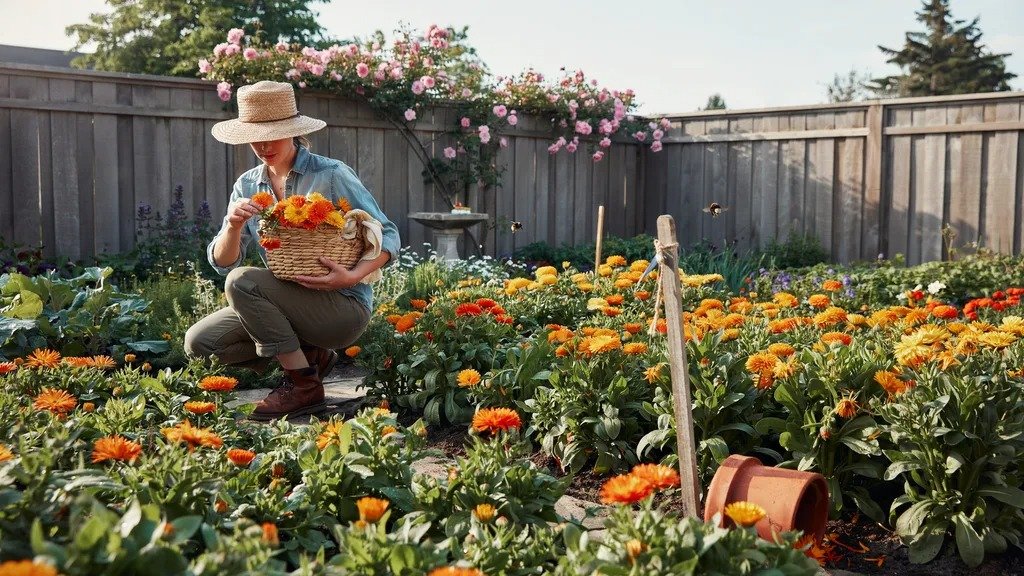
You don't need much. A pair of clean garden scissors or shears works well. A basket or shallow bowl helps keep flowers from getting crushed.
Some people also like garden gloves, though they are optional for calendula since the stems are soft.
Step-By-Step Guide to Harvesting Calendula Blooms
Start by checking each plant for fully open flowers. Snip the flower head just below the base, leaving a short bit of stem.
Place each bloom gently into your basket so petals stay intact.
Work through the plant, picking only ready flowers and leaving buds for later.
Repeat this every few days during the growing season.
Should You Harvest the Whole Stem or Just the Flower Head?
For most uses, just the flower head is enough. Cutting only the bloom, rather than a long stem, encourages the plant to grow more flowers instead of putting energy into stem growth.
Save whole-stem cutting for times you want calendula in a vase.
How Often Should You Harvest Calendula?
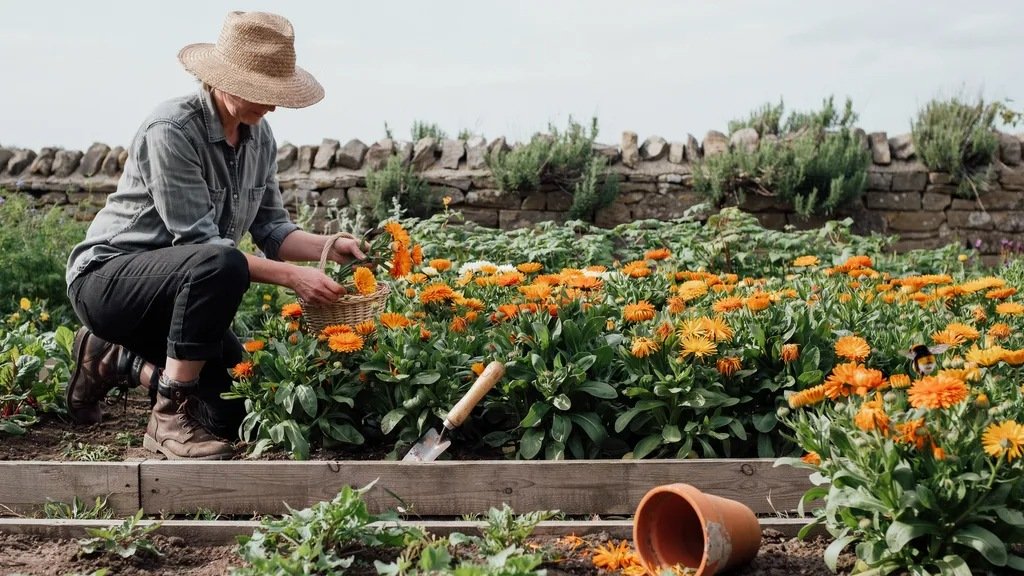
Regular picking keeps calendula plants blooming strong throughout the season.Frequent harvesting is the secret to a longer, fuller bloom season.
Why Frequent Harvesting Encourages More Blooms
Calendula is a plant that responds well to regular picking. When you remove open flowers, the plant sends energy into producing new buds instead of forming seeds.
This means the more you harvest, the more flowers you get in return.
How to Deadhead Calendula Correctly
Deadheading means removing flowers once they start to fade, even if you don't plan to use them. Snip the spent bloom at its base and toss it into your compost.
This keeps the plant tidy and signals it to keep producing new flowers.
How to Dry Calendula Flowers
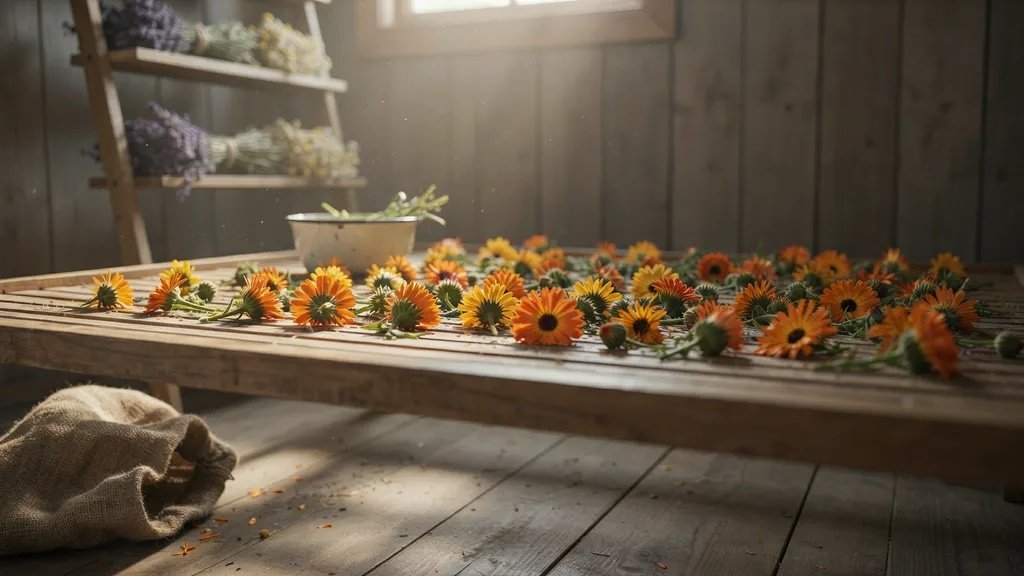
Two simple drying methods that keep petals bright and ready for storage. Drying calendula the right way locks in color, scent, and shelf life.
Air-Drying Calendula Step By Step
Spread your harvested flowers on a clean towel or screen in a single layer.
Choose a warm, dry spot out of direct sunlight, since sunlight can fade the color.
Let them sit for about one to two weeks, turning gently every few days so air reaches all sides.
How to Use a Dehydrator for Faster Drying
Set your dehydrator to a low heat, around 95 to 100 degrees Fahrenheit. Lay flowers on the trays without overlapping them.
Check every hour or two, since dehydrators dry calendula much faster than air drying, often within four to six hours.
How to Know When Calendula is Fully Dry
Fully dried calendula feels crisp and light. Petals should snap or crumble slightly when pressed, not bend.
If flowers still feel soft or cool to the touch, they need more drying time before storage.
How to Preserve Calendula After Harvesting
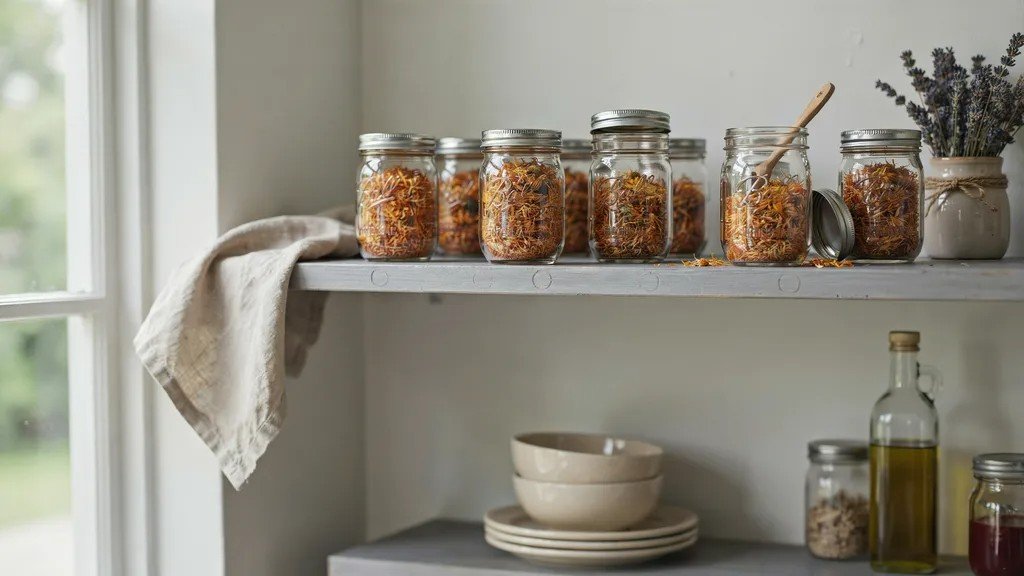
Simple storage rules that keep dried calendula fresh and full of color. Proper storage keeps your dried calendula useful for months after harvest.
Best Containers for Storing Dried Calendula
Glass jars with tight lids work best. Mason jars are a common choice since they seal well and let you see the flowers inside.
Avoid plastic bags, which can trap moisture and lead to mold.
Where to Store Calendula for Maximum Freshness
Keep jars in a cool, dark place such as a pantry or cupboard. Light and heat break down color and scent over time, so avoid windowsills or spots near the stove.
How Long Dried Calendula Lasts
Stored properly, dried calendula stays useful for around one year. After that, the color and scent start to fade, though the flowers are usually still safe to use in a weaker form.
Calendula Harvesting Tips for Better Blooms
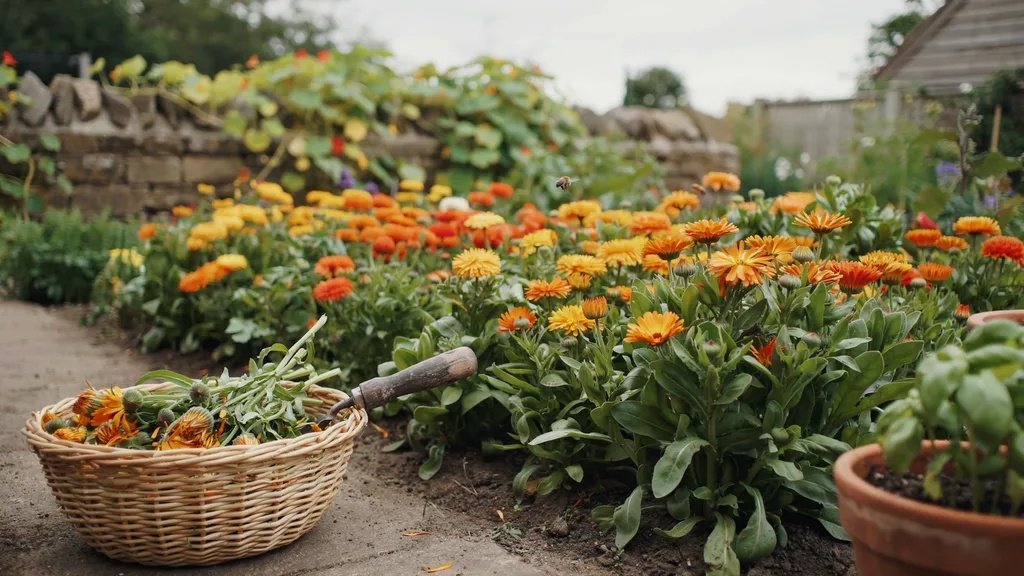
A few small habits that lead to stronger plants and better flower quality.Small changes in your routine can lead to bigger, healthier blooms.
Harvesting After Dew Dries
Wet flowers can trap moisture that leads to mold during drying. Waiting until the dew has fully dried off the petals gives you a cleaner harvest and an easier drying process later.
Avoiding Overwatering Before Harvest
Too much water right before harvest can make petals soft and watery, which slows drying and can affect scent. Water plants a day or two ahead instead of right before you plan to pick.
Keeping Flowers Clean and Pest-Free
Check plants regularly for pests like aphids, which are drawn to calendula. Rinse flowers gently if needed and let them dry fully before storing, since damp or dirty petals do not keep well.
Conclusion
Growing and harvesting calendula has taught me patience, and honestly, a bit of joy too. Every basket of fresh blooms feels like a small win.
I hope this guide makes your own harvest easier and gives you flowers you're proud to use in tea, oil, or salve. Try these steps this season and see the difference for yourself.
If this helped you, leave a comment below and share your calendula harvesting experience. Feel free to share this post with a fellow gardener who could use it too.
Frequently Asked Questions
How do I know when the calendar is ready to harvest?
Look for flowers that are fully open with flat petals. The center should look firm, not soft or drooping.
Can I harvest calendula every day?
Yes, checking daily is fine. Frequent picking actually encourages the plant to produce more blooms.
What is the best way to dry calendula fast?
A dehydrator on low heat works fastest, usually drying flowers within four to six hours.
How long does dried calendula last in storage?
Dried calendula typically stays good for about one year when kept in a sealed jar away from light.
Do I need special tools to harvest calendula?
No, simple garden scissors and a basket are enough. Gloves are optional but not required.