Want fresh flowers on your table without buying them every week? A cut flower garden makes that possible.
In this post, I will walk you through everything you need to start one, from picking the right flowers to planting them in rows for easy harvesting.
You will learn what makes a flower good for cutting, when to plant, how to care for your garden, and how to keep your blooms fresh once you cut them.
I have grown my own cutting garden for years, and I know how confusing it can feel at first.
By the end of this guide, you will have a clear plan and the confidence to grow flowers you can actually cut and enjoy indoors.
What Is a Cut Flower Garden?
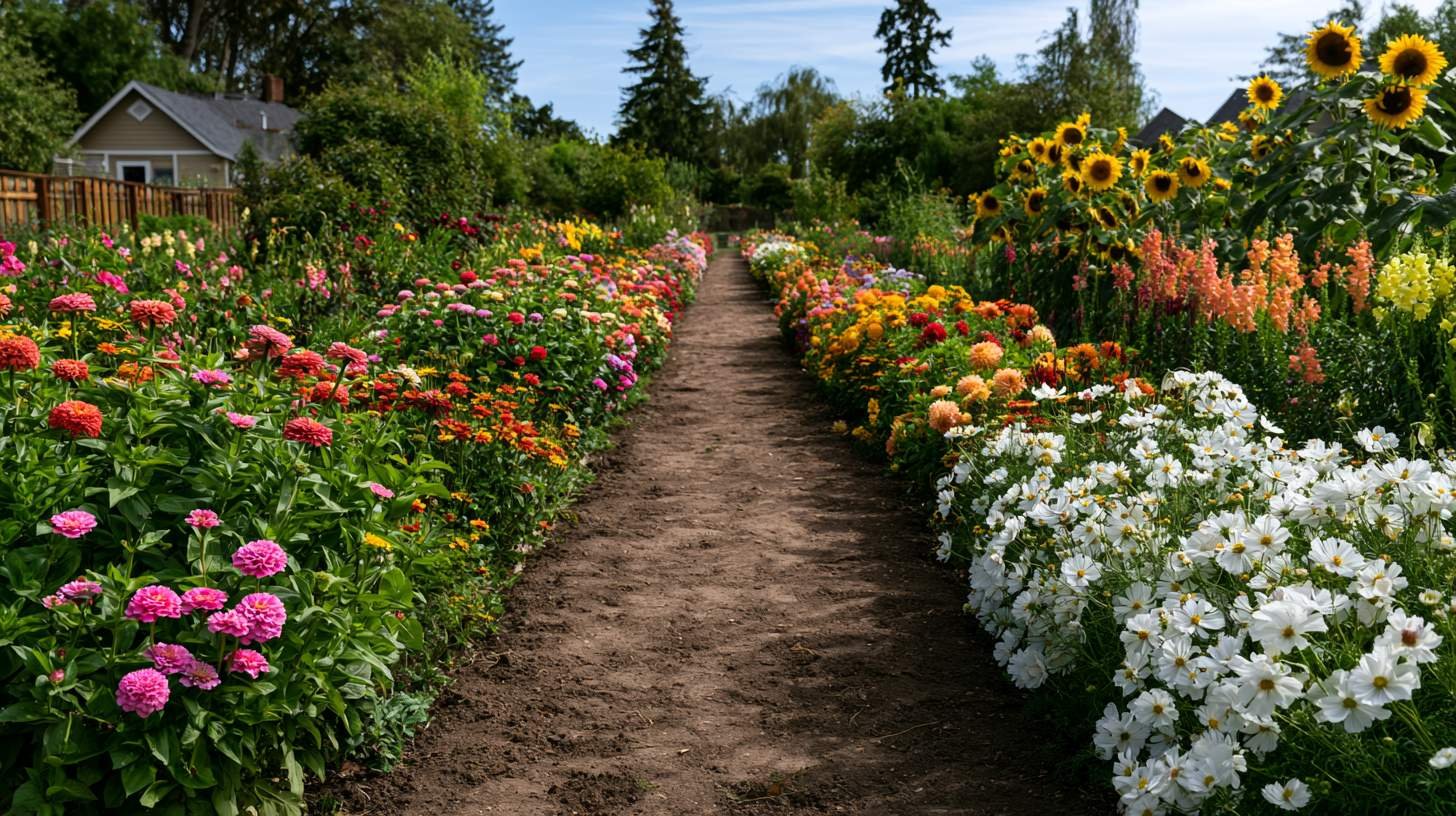
I explain what sets a cut flower garden apart from a regular flower bed.
This section covers the basic idea behind growing flowers just for cutting instead of just looking at them in the ground.
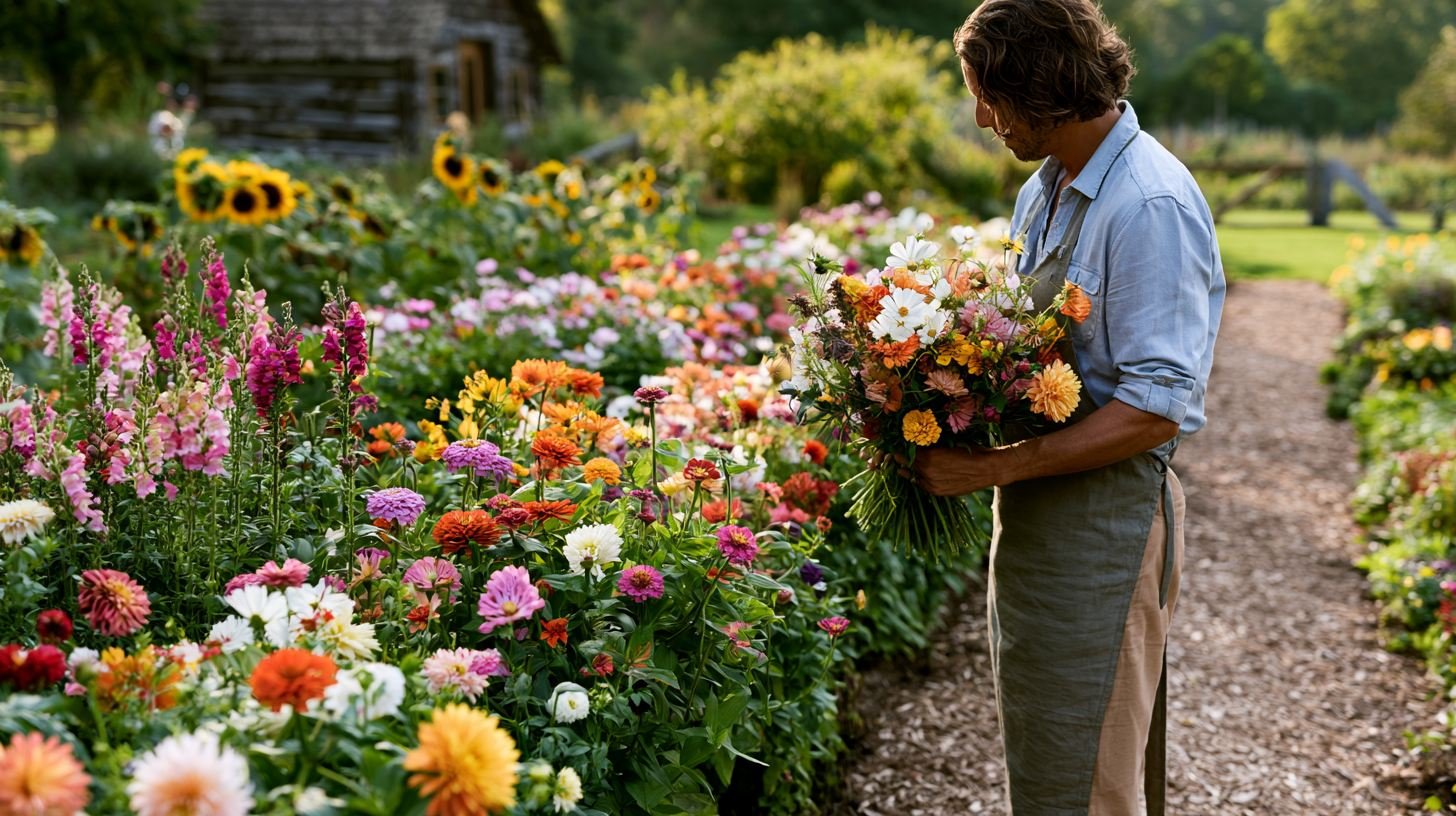
I talk about planting in rows for easy access and picking varieties that keep producing blooms after you cut them.
You will get a clear picture of the purpose behind this type of garden and why it works so well for anyone who wants fresh flowers at home.
Best Flowers for a Cut Flower Garden
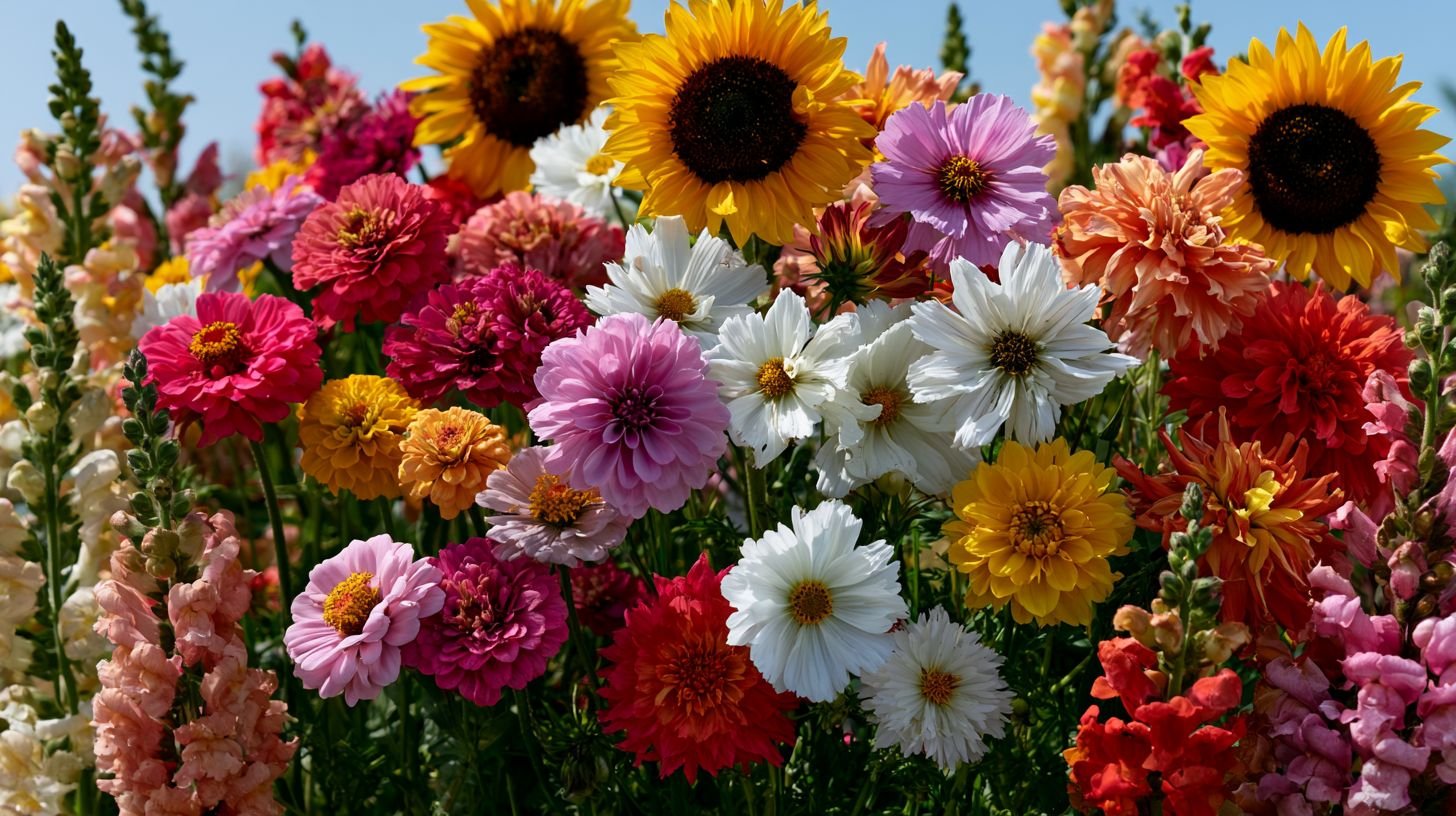
Here I list flower types that work well for beginners, including zinnias, cosmos, sunflowers, dahlias, and snapdragons.
I explain why each one holds up in a vase and keeps blooming through the season. Zinnias get a special mention since they are tough and easy to grow.
This section gives you a starting list so you don't have to guess which flowers will actually work in your first cut flower garden.
Best Foliage and Fillers for a Cut Flower Garden
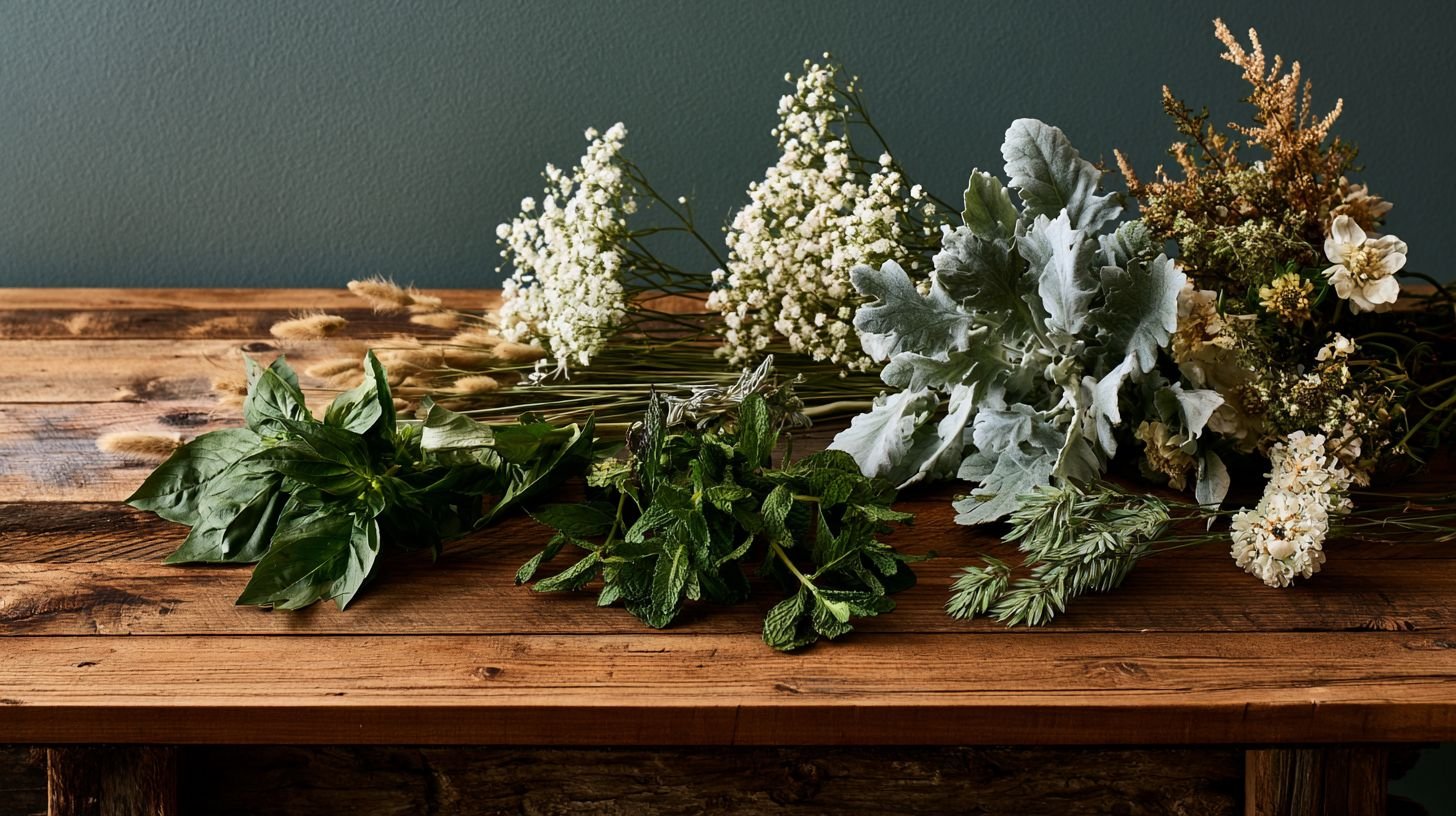
A bouquet needs more than blooms, so I cover the greenery and filler plants that round out an arrangement.
I suggest basil, mint, ferns, and ornamental grasses for foliage, plus baby's breath and dusty miller for fillers.
This section shows you how to add fullness and texture to your bouquets without taking attention away from your main flowers.
You will know exactly what to plant alongside your blooms.
Best Cut Flowers to Grow from Seed
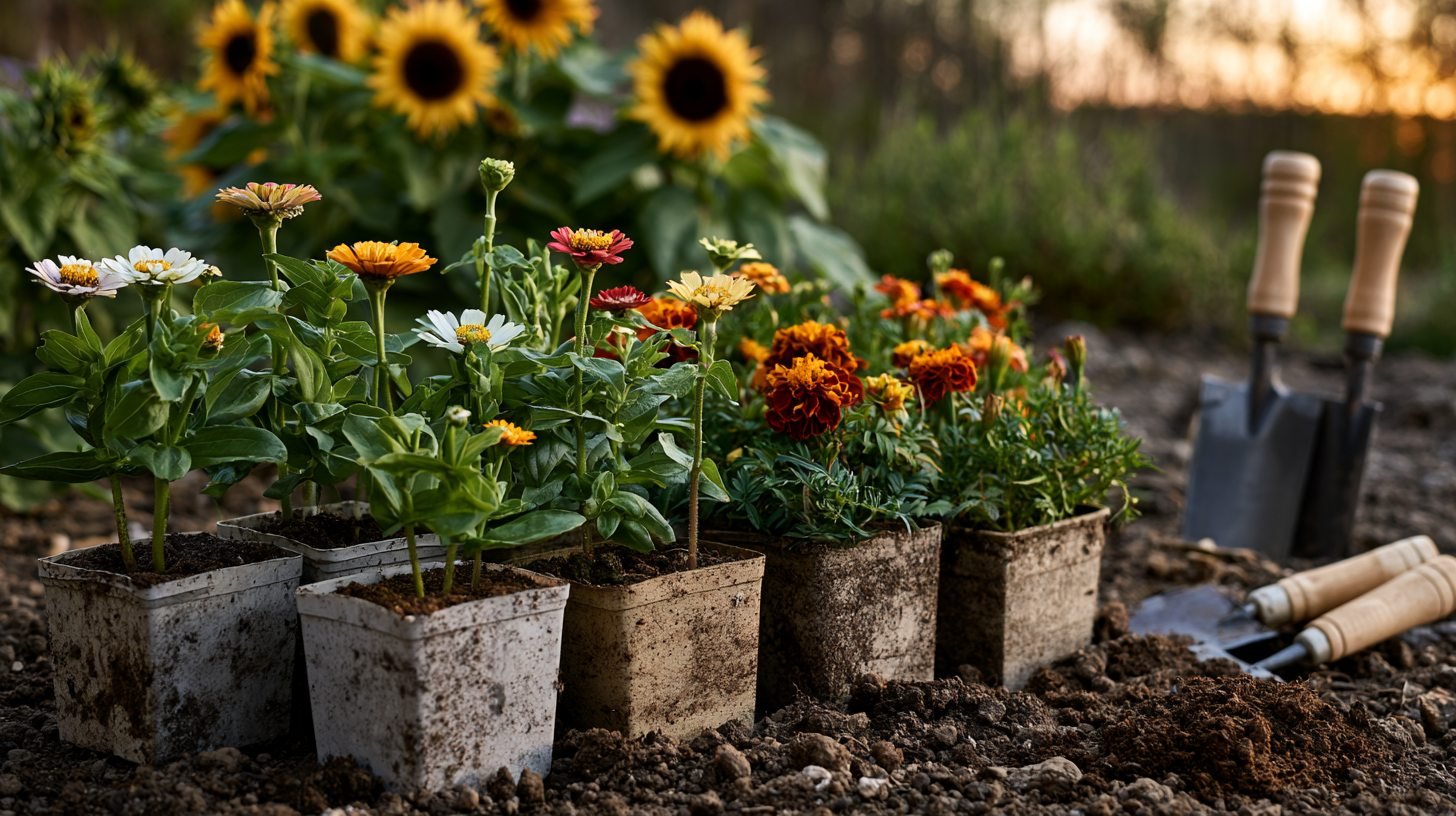
This section covers which flowers grow easily from seed, a cheaper way to fill your garden. I list zinnias, cosmos, sunflowers, and marigolds as reliable options that germinate fast.
I also explain the timing, including starting seeds indoors before your last frost or sowing them straight into the ground once it warms up.
You will learn how to save money on your garden while still getting a full bed of blooms.
How to Plan Your Cut Flower Garden
A step-by-step plan for spot, spacing, rows, and timing.
1. Choosing the Right Location
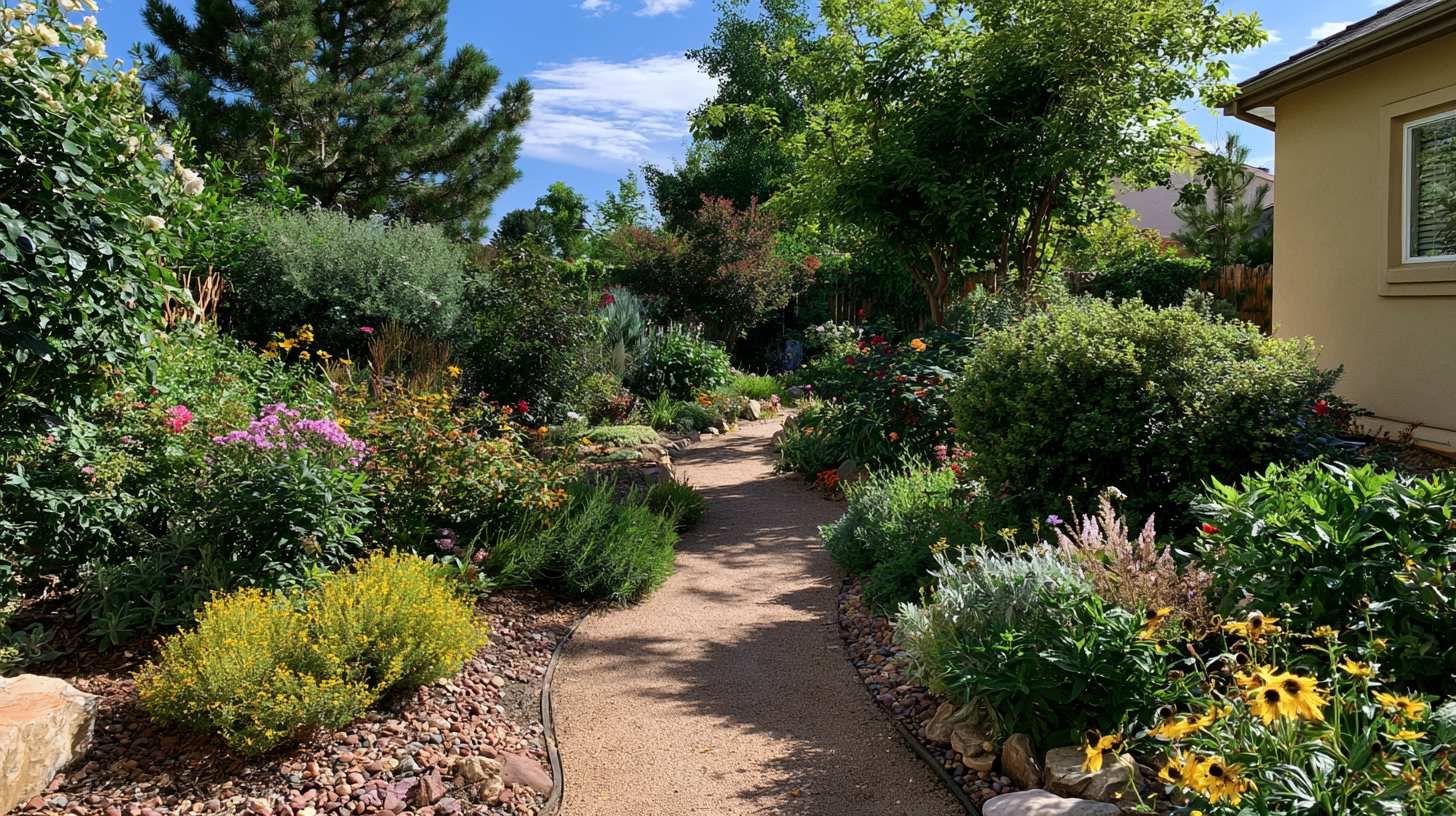
Pick a spot that gets at least six hours of sun a day. Most cut flowers need full sun to grow strong stems and bright blooms. Avoid low spots where water sits after rain.
2. How Much Space Do You Need?
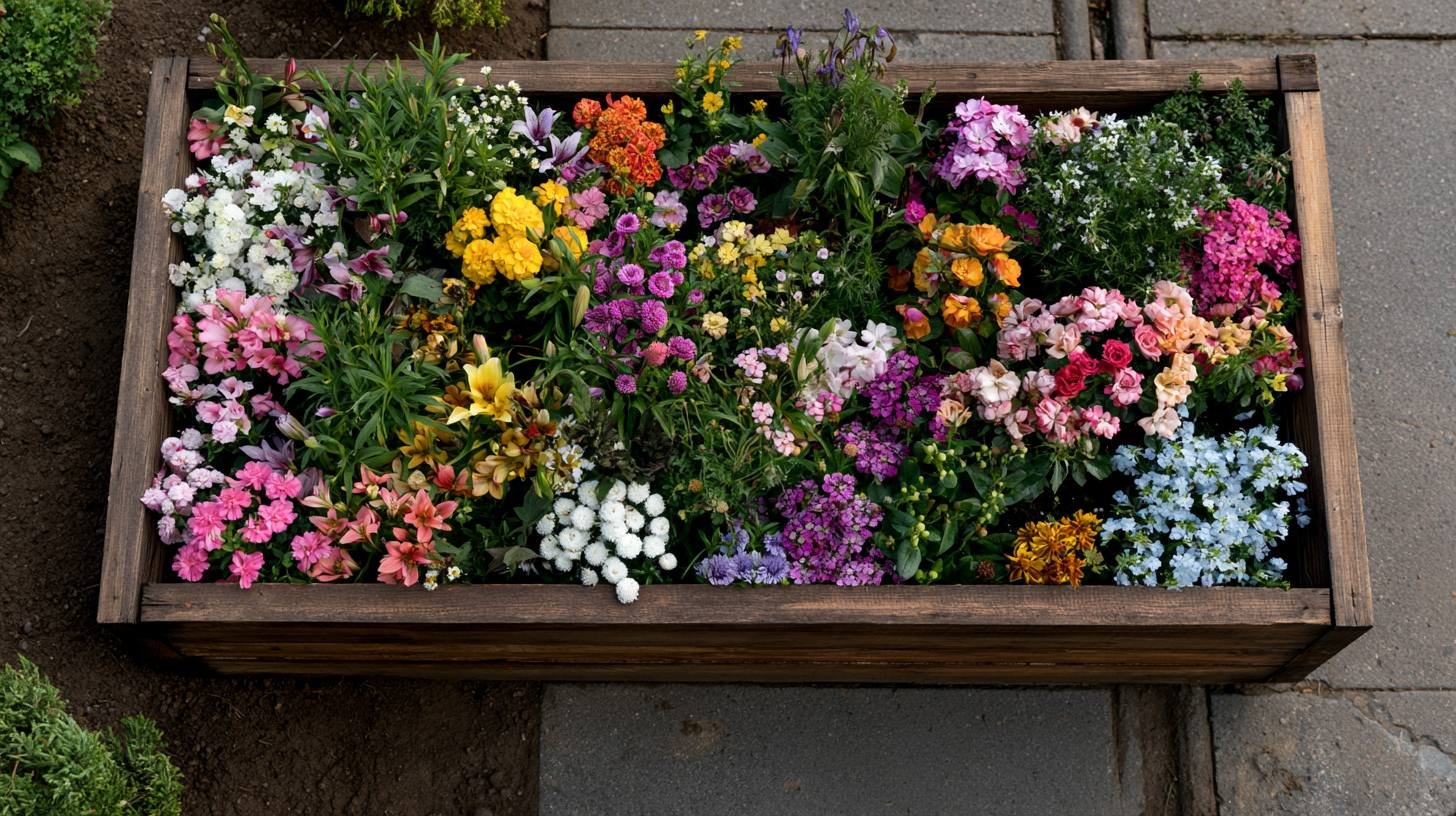
You don't need a huge yard. Even a 4×8 foot bed can grow a good amount of flowers if you plant them close together in rows.
3. Creating Planting Rows for Easy Harvesting
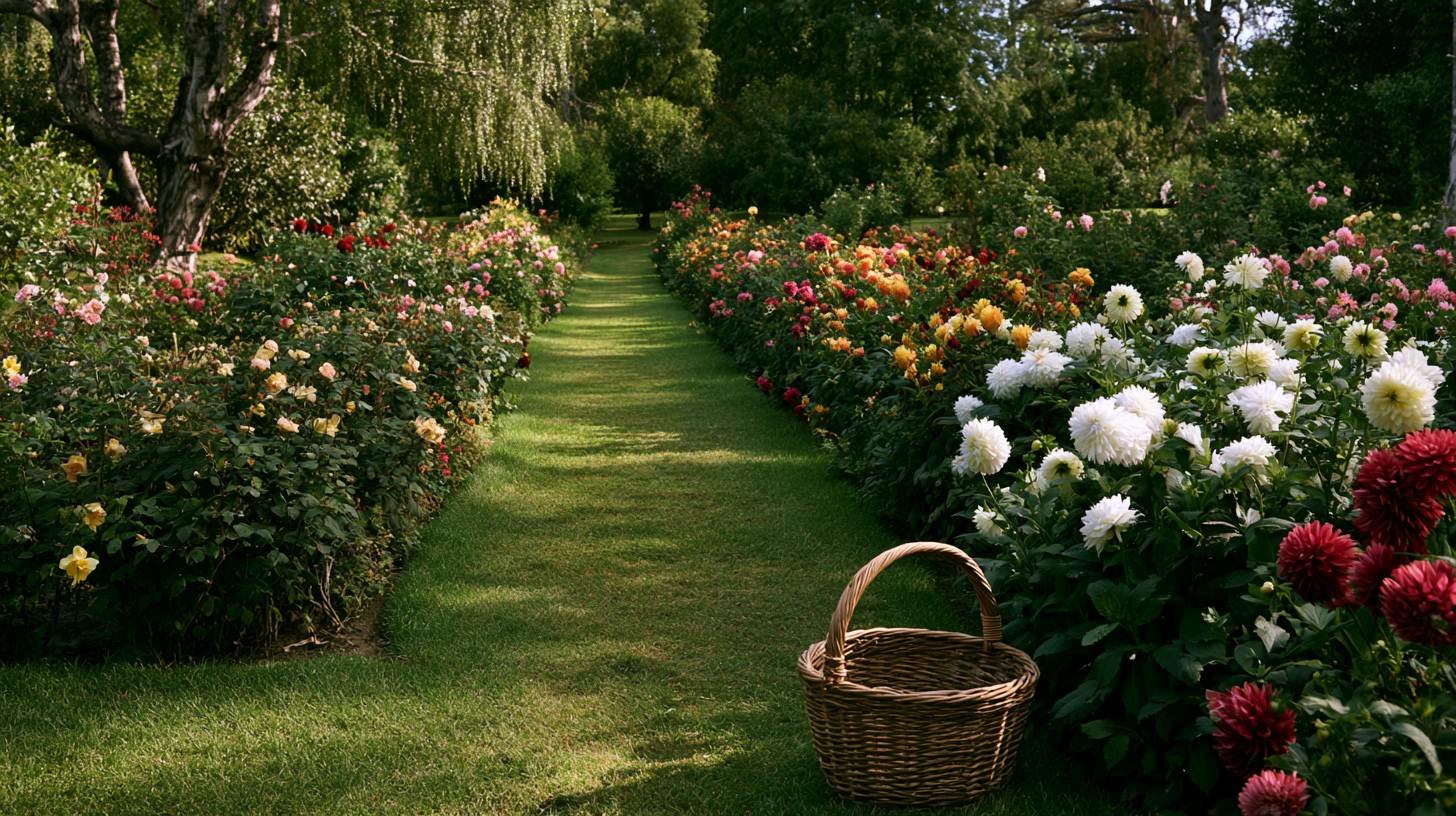
Plant in straight rows instead of scattering seeds around. Rows make it easier to walk through, water, and cut flowers without stepping on other plants.
4. Succession Planting for Nonstop Blooms
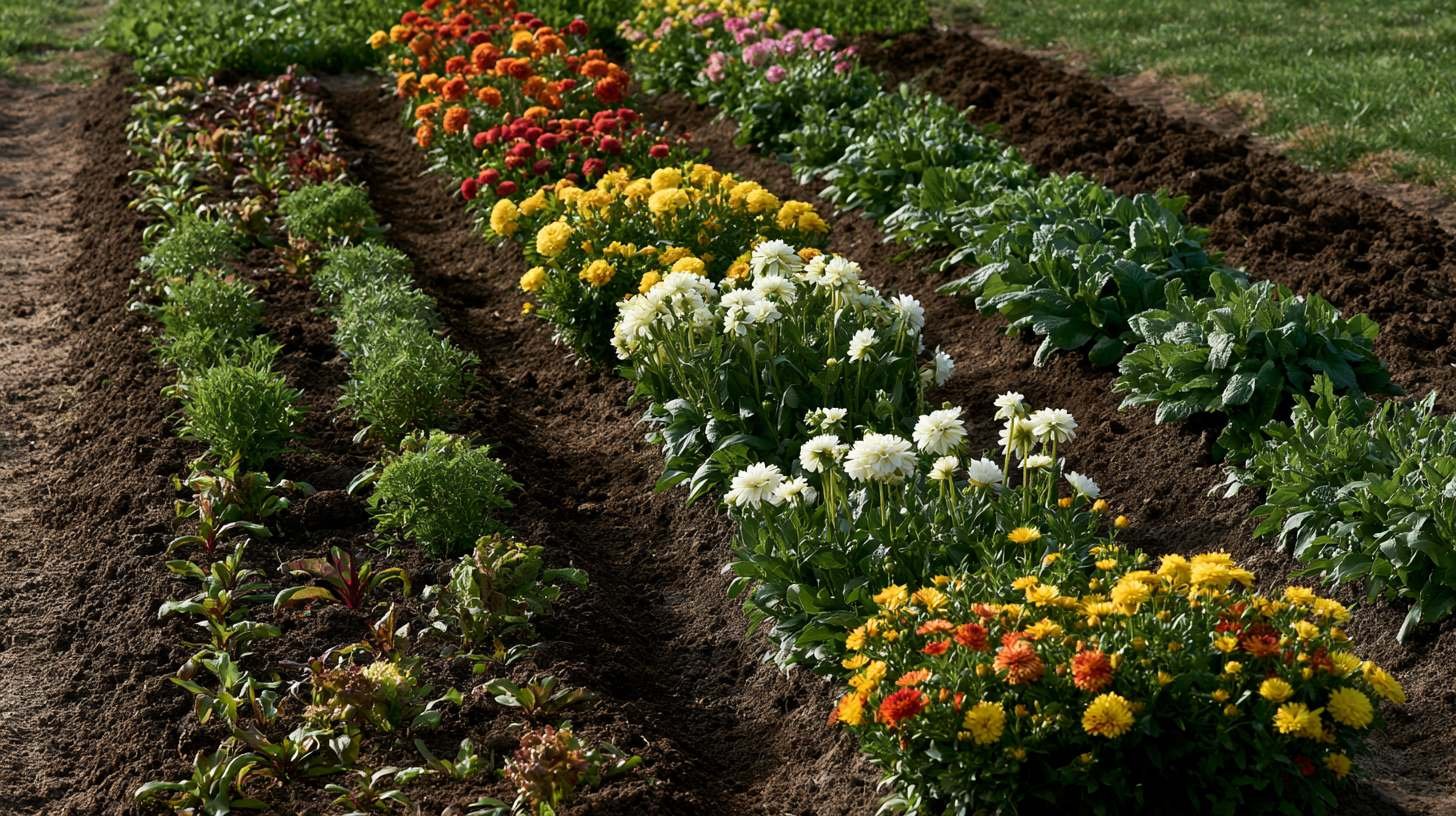
Don't plant everything at once. Sow a new batch of seeds every two to three weeks so you always have fresh flowers coming in, instead of one big bloom that fades fast.
5. Mixing Flowers by Bloom Time
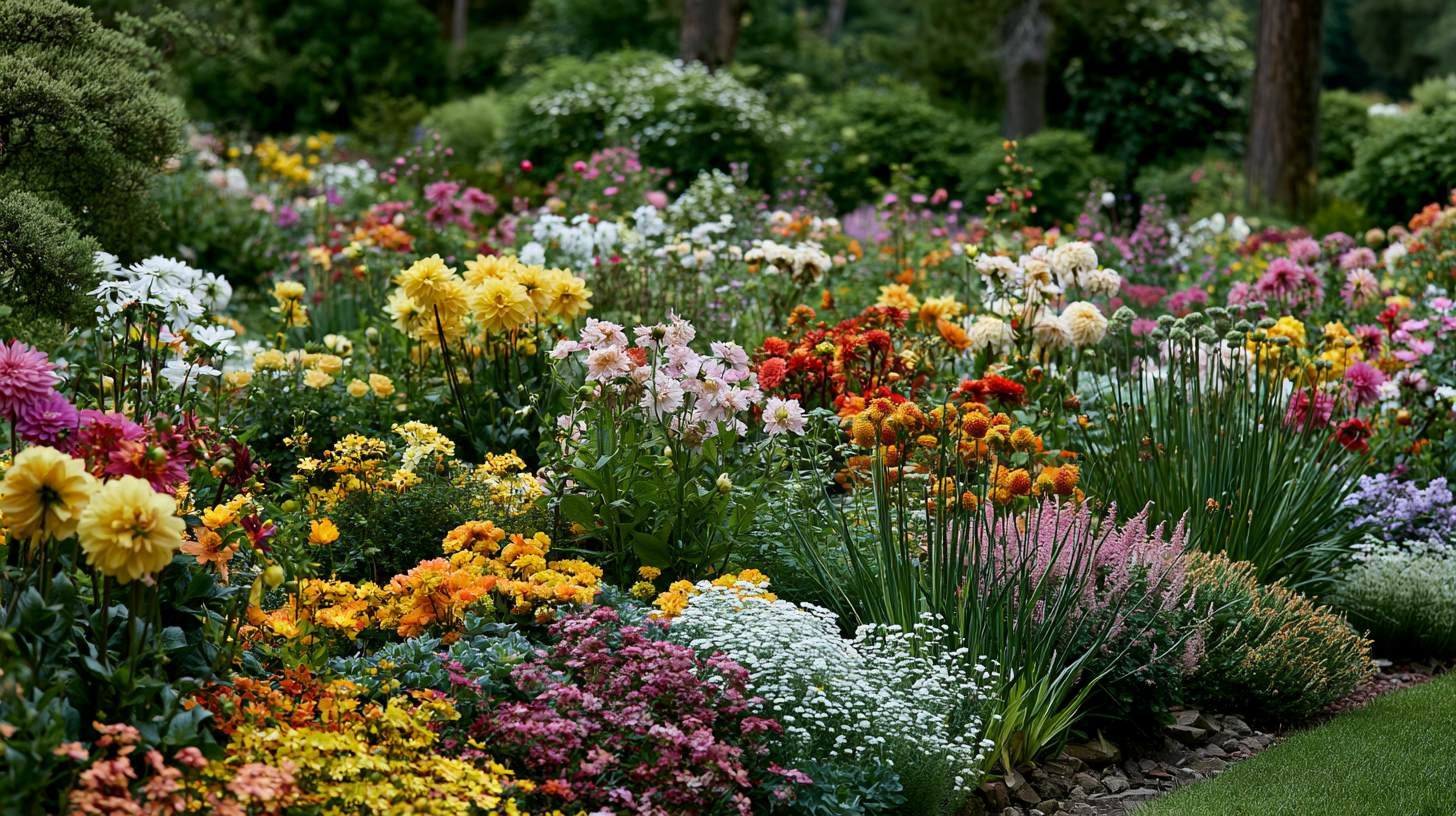
Plant a mix of early, mid, and late season bloomers. This way your garden keeps producing flowers from spring through fall instead of blooming all at once.
How to Care for a Productive Cut Flower Garden
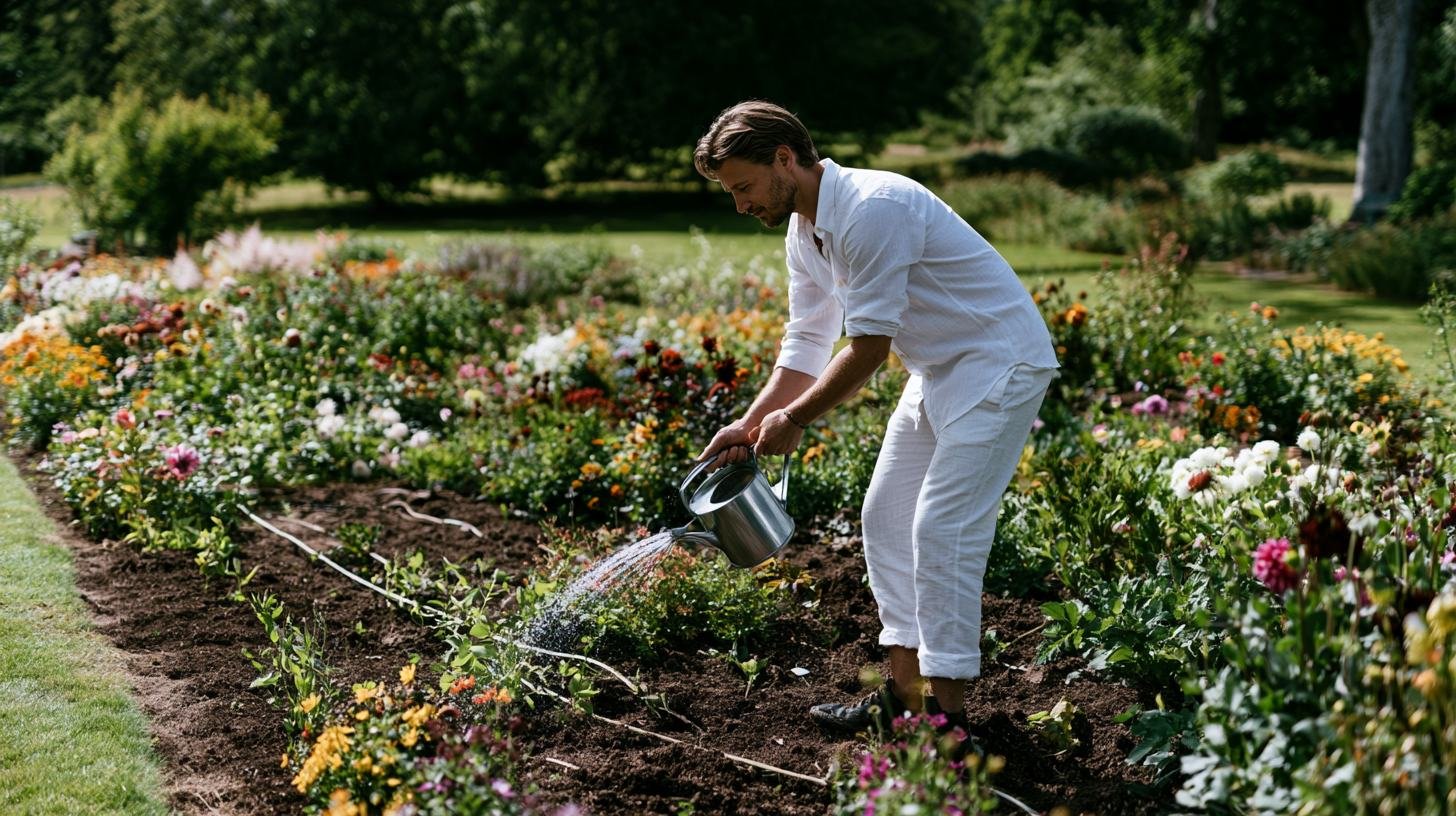
Frost dates and timing tips for getting flowers in the ground.
1. Soil preparation:Loosen your soil and mix in compost before planting. Rich, well draining soil gives your flowers the nutrients they need to keep producing blooms.
2. Watering and fertilizing: Water deeply a few times a week instead of a little every day. Feed your plants with a balanced fertilizer every few weeks to keep the blooms coming.
3. Pinching plants for more blooms: Pinch off the top of young plants like zinnias and dahlias when they're a few inches tall. This forces the plant to grow bushier and produce more stems for cutting.
4. Deadheading and regular harvesting:Cut your flowers often, even if you don't need them yet. Regular cutting tells the plant to keep making more blooms instead of going to seed.
5. Supporting tall flowers with netting or stakes: Tall flowers like sunflowers and dahlias can flop over in wind or rain. Use stakes or garden netting to keep your rows standing straight.
Common Mistakes to Avoid in a Cut Flower Garden
Simple errors that hold beginners back from a full harvest.
- Planting in one spot with too much shade. Cut flowers need at least six hours of sun. Less sun means weak stems and fewer blooms.
- Scattering seeds instead of planting in rows. Rows make it easier to water, weed, and cut flowers without stepping on your other plants.
- Planting everything at once. If you sow all your seeds on the same day, you get one big bloom that fades fast instead of flowers all season.
- Skipping the pinch. If you don't pinch young plants like zinnias and dahlias, they grow tall and leggy with fewer stems to cut.
- Not cutting often enough. Flowers left on the plant tell it to stop blooming and go to seed. Cut them often, even if you don't need them yet.
- Forgetting to stake tall flowers. Sunflowers and dahlias can flop over in wind or rain if you don't give them support early on.
Conclusion
Starting a cut flower garden feels like a lot at first, but it gets easier once you plant your first rows.
I still remember how proud I felt cutting my first bunch of zinnias and putting them in a jar on my kitchen table.
You can get that same feeling with a little planning and patience. Give it a try this season.
If this guide helped you, leave a comment and let me know what you're planting, or share it with a friend who loves flowers too.
Frequently Asked Questions
How much sun do cut flowers need?
Most cut flowers need at least six hours of direct sun daily. Less sun means fewer and weaker blooms.
Can I grow a cut flower garden in containers?
Yes, many flowers like zinnias and marigolds do well in large pots. Just make sure the containers get enough sun and drainage.
How often should I cut my flowers?
Cut them every few days once they start blooming. Regular cutting keeps the plants producing more flowers.
Do cut flowers need special fertilizer?
A balanced, all purpose fertilizer works fine for most cut flowers. Feed every few weeks during the growing season.
How long do homegrown cut flowers last in a vase?
Most last five to seven days if cut properly and kept in fresh water. Some, like zinnias, can last even longer.