Ranunculus flowers look like tiny roses, but they are easier to grow than you might think. This guide walks you through everything, from picking corms to storing them for next year. If you have ever bought a bag of these corms and felt lost, you are not alone.
I have grown ranunculus in my own garden for years, and I still learn something new each season.
In this article, you will find planting times, soil tips, watering advice, common problems, and harvest tricks. By the end, you will know exactly what to do, step by step. Let's get started.
What Is Ranunculus?
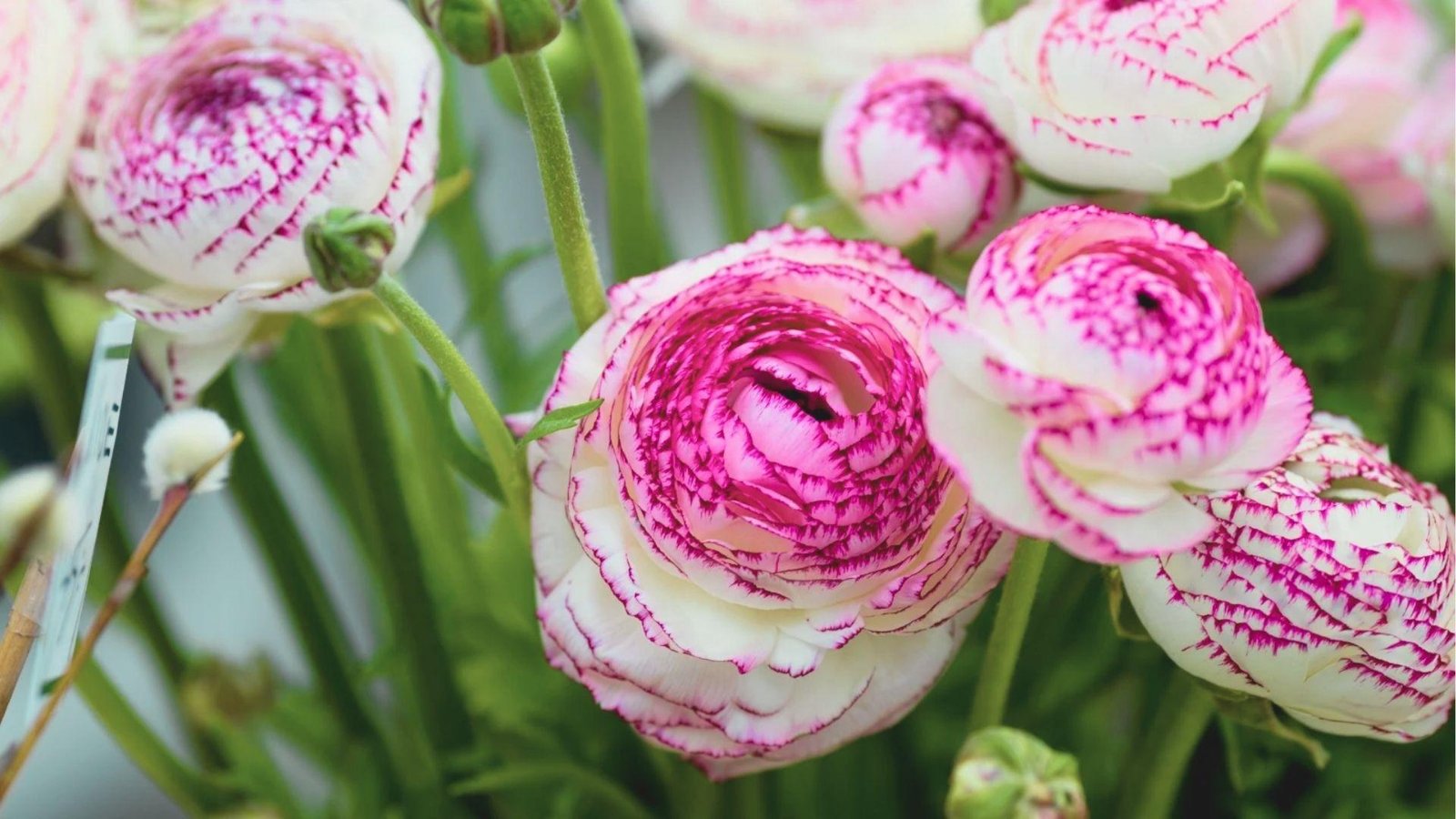
A quick look at this flowering plant, its papery blooms, and why it stands out in gardens and bouquets.
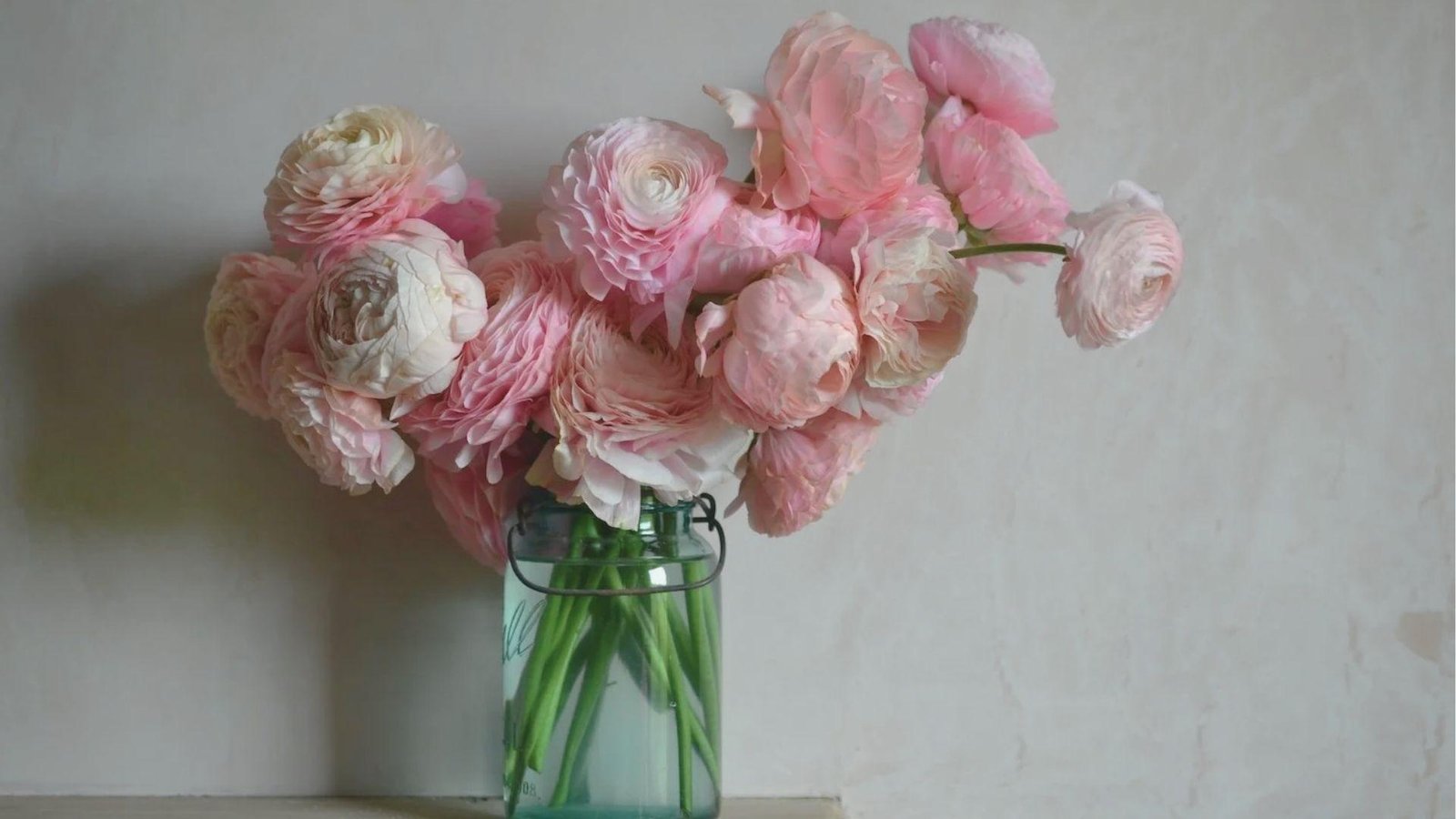
Ranunculus is a flowering plant grown from a small claw shaped root called a corm. The blooms have thin, papery petals stacked in layers, in bright colors like red, pink, orange, and white. Many people compare them to roses or peonies, but they grow from a completely different type of root.
Gardeners love them because the blooms last a long time, both on the plant and in a vase. Each corm can produce many flowers over several weeks, making them a favorite for containers, small gardens, and bouquets.
The growth cycle starts with a dry, dormant corm. Once planted, it grows roots, then leaves, and finally flower buds. After blooming, the leaves turn yellow and the plant goes dormant again. The full cycle usually takes a few months, depending on your climate.
What You Need to Know Before Growing Ranunculus
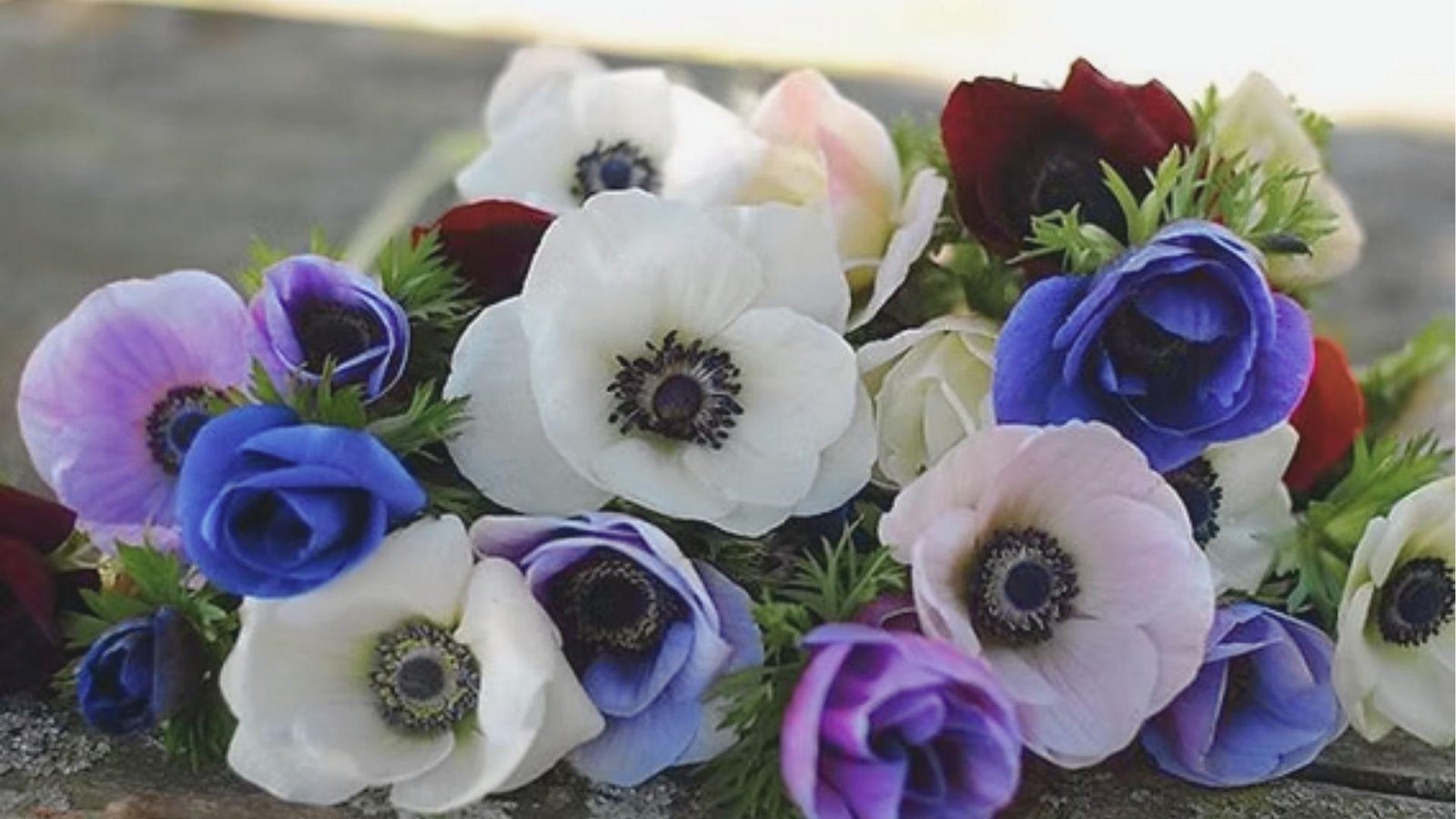
Key basics to check first, including your growing zone, sunlight, soil type, and where to get healthy corms.
Ideal USDA Hardiness Zones
Ranunculus grows best in zones 8 through 10. Gardeners in colder zones can still grow them, but need to plant in spring and treat the corms as annuals or lift them before winter.
Temperature and Sunlight Requirements
These plants like cool weather and full sun. They do best when daytime temperatures stay between 50 and 65 degrees Fahrenheit. Too much heat can cause the plant to stop flowering early.
Soil Conditions for Healthy Growth
Ranunculus needs soil that drains well. Heavy, wet soil can cause the corms to rot. Adding compost or sand can help loosen thick clay soil before planting.
Choosing Quality Ranunculus Corms
Look for corms that feel firm and dry, not soft or moldy. Bigger corms often produce more flowers. Buy from a trusted seller and avoid corms that look shriveled.
When to Plant Ranunculus
A breakdown of the best planting windows based on your local climate and winter temperatures.
Fall vs. Spring Planting
In mild climates, fall planting gives you earlier and bigger blooms. In colder areas, spring planting is safer since the ground won't freeze the corms.
Planting Times by Climate Zone
Warm zones can be planted in October or November. Cooler zones should wait until early spring, once the risk of hard frost has passed.
How to Prepare Ranunculus Corms
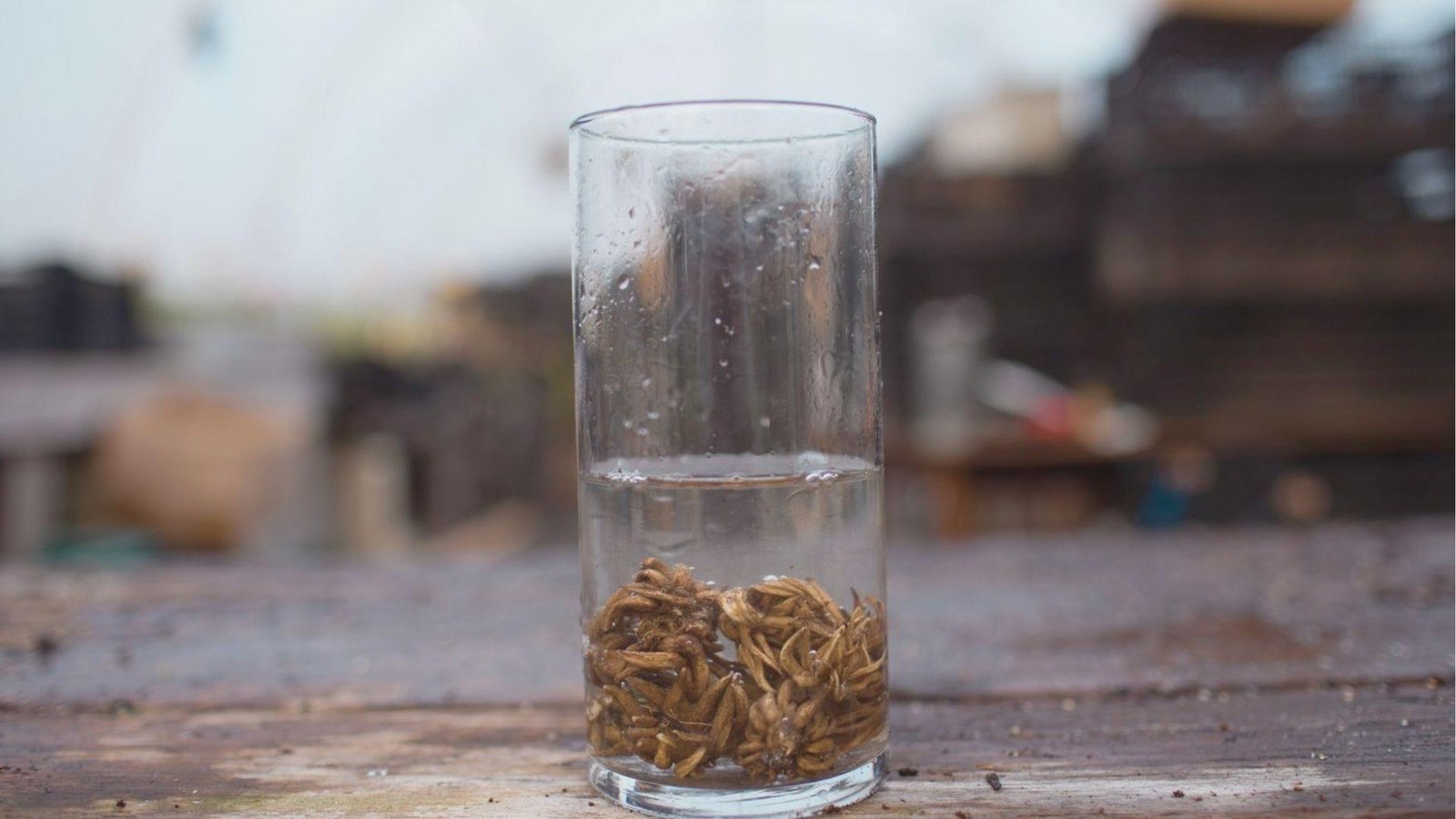
Steps to wake up dry corms before planting so they sprout faster and grow stronger.
Soaking Corms Before Planting
Soak the corms in room temperature water for three to four hours. This softens them and helps them absorb moisture before going into soil.
Do not soak them longer than four hours. Corms left in water too long can soften too much and start to rot.
Use a bowl with fresh, clean water, not water that sat out for days. You should see the corms plump up a bit by the time you are done. Drain them well before planting.
Should You Pre-Sprout Ranunculus?
Pre-sprouting means starting the corms in moist trays indoors before planting outside. This step can speed up growth and help you spot bad corms early.
After soaking, lay the corms in a tray filled with a slightly damp potting mix. Keep the tray somewhere cool, around 50 degrees, and out of direct sun. Check it every few days.
In about one to two weeks, you should see small white roots forming. Any corm that turns soft or moldy during this time should be tossed out, since it likely won't grow well anyway.
Storing Corms Until Planting Time
If you are not planting right away, keep corms in a cool, dry, and dark spot. A paper bag works better than plastic, since it allows airflow.
A garage, closet, or basement shelf works fine for this. Avoid the fridge unless you live somewhere very warm, since too much cold can confuse the corms.
Check on them now and then. If any feel wet or smell off, remove them so they do not affect the healthy ones nearby.
How to Plant Ranunculus
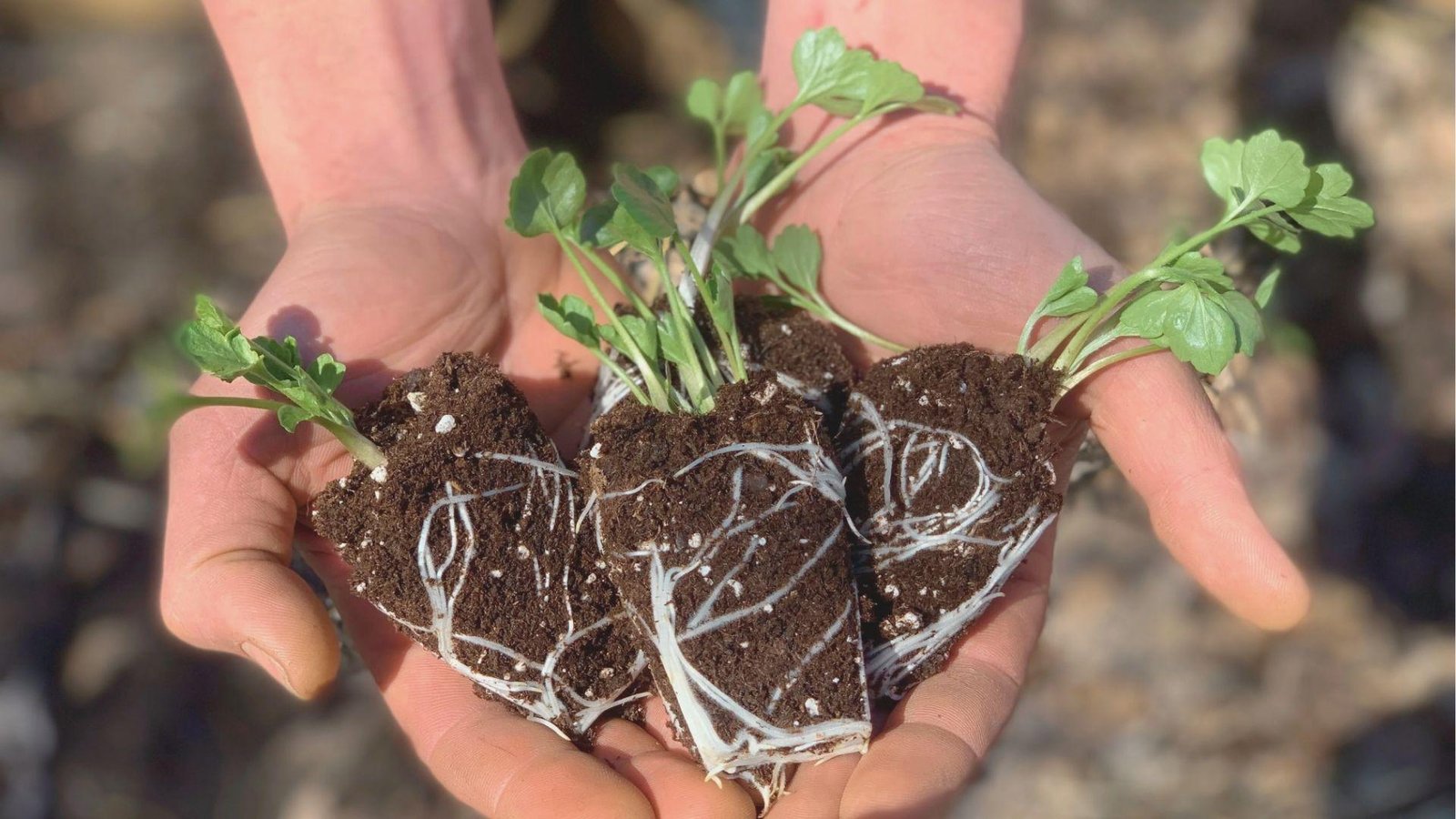
A guide to setting up your planting area and placing corms correctly for the best results.
Preparing the Garden Bed or Container
Loosen the soil and mix in compost. Make sure the spot gets plenty of sun and drains well after rain.
Dig down about eight to ten inches and break up any hard clumps. Mixing in aged compost adds nutrients and helps loosen dense soil.
If you are using a container, choose one with drainage holes at the bottom, and use a light potting mix rather than garden soil, which can pack down too tightly.
Planting Depth, Spacing, and Corm Orientation
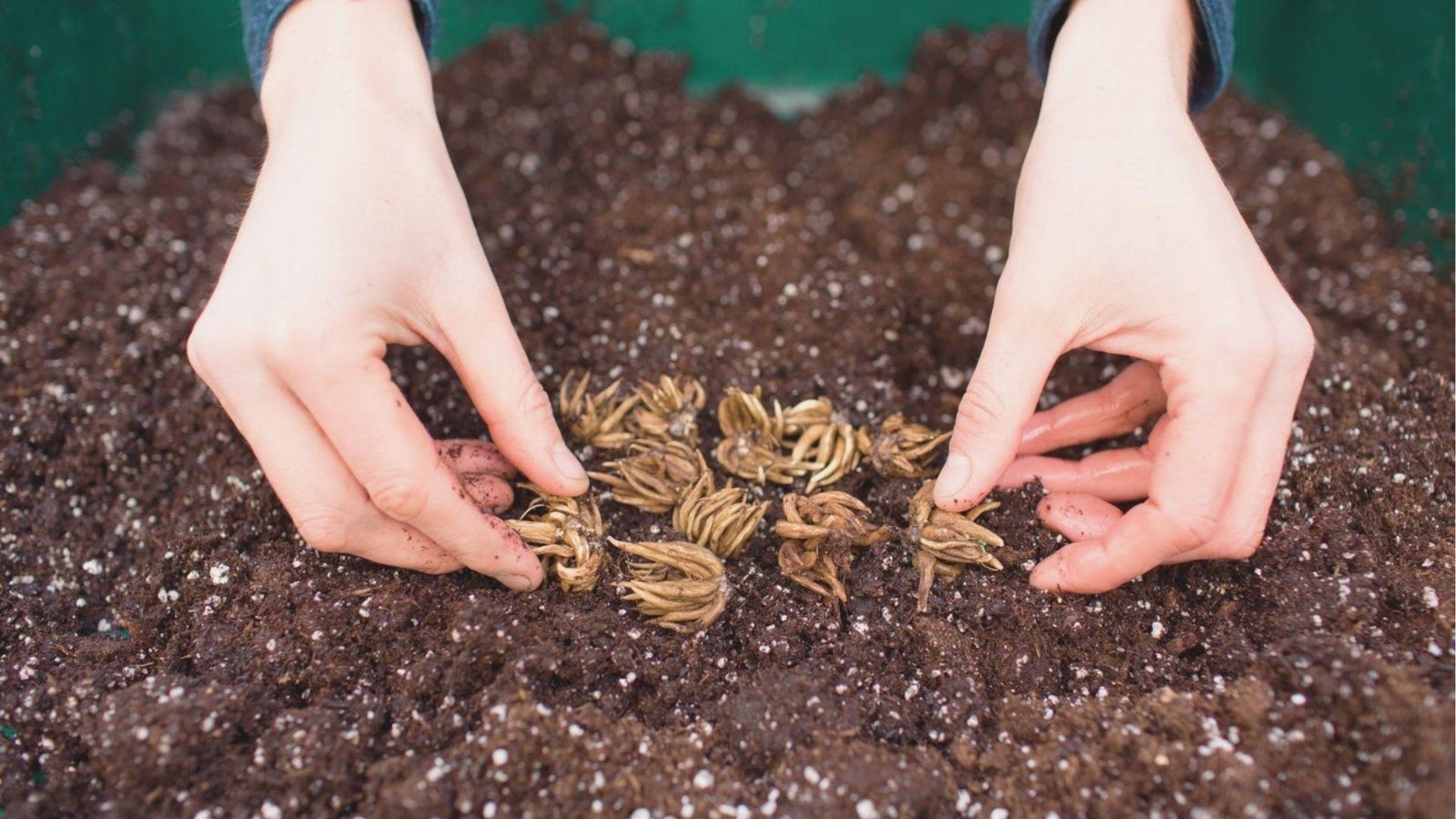
Plant corms about two inches deep, with the claw-like points facing down. Space them four to six inches apart.
Getting the orientation right matters more than people expect. The points, which look a bit like tiny octopus legs, should face downward into the soil.
If you plant them upside down, they can still grow, but it may take longer for sprouts to appear. Spacing them properly also gives each plant enough room for air to move, which helps prevent disease later on.
Watering Immediately After Planting
Water the bed right after planting to settle the soil around the corms. After that, hold off on heavy watering until sprouts appear.
This first watering helps remove air pockets around the corms and gets them in good contact with the soil. After that, check the soil with your finger every few days. Only water again once the top inch feels dry.
How to Care for Growing Ranunculus
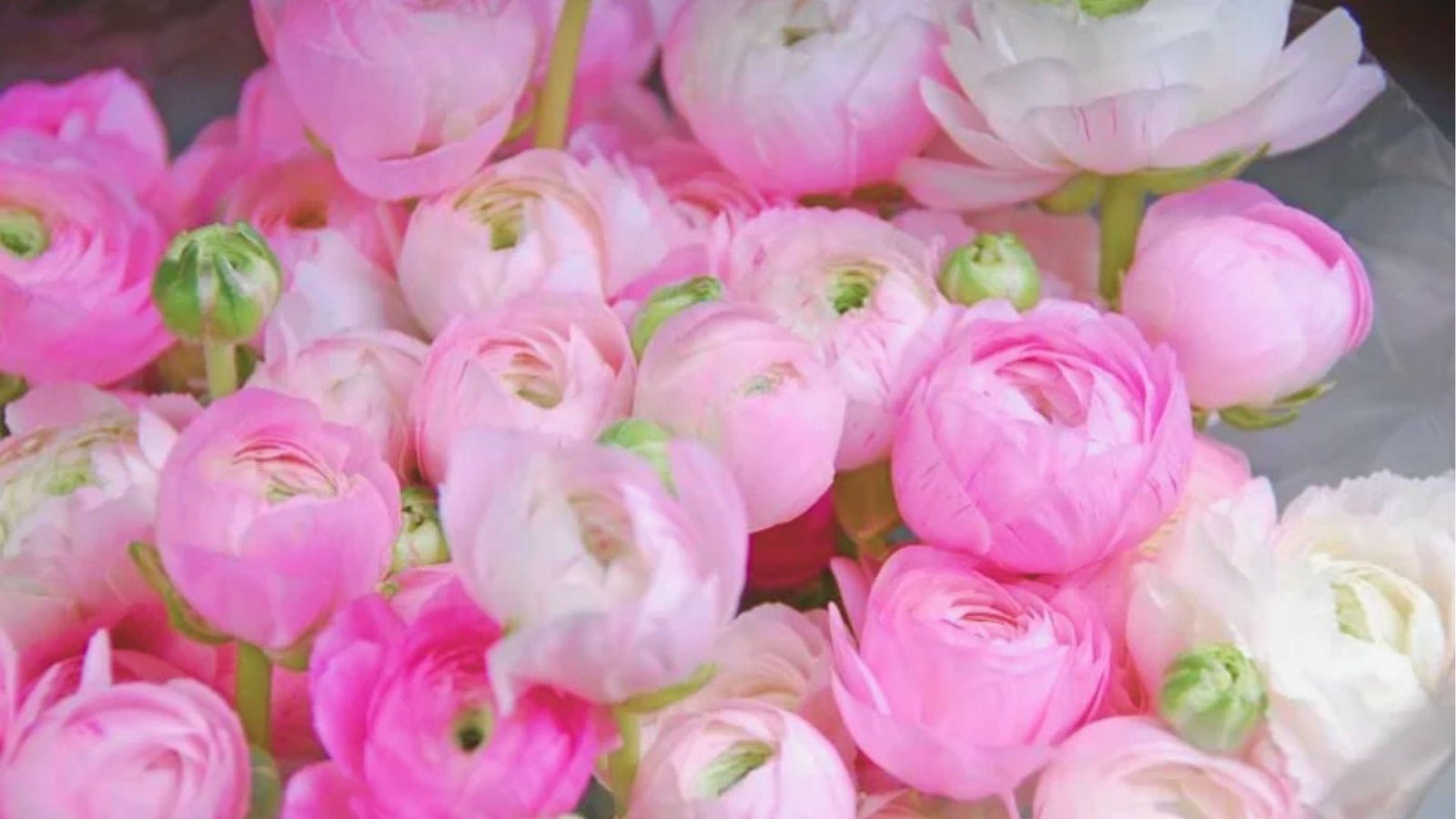
Once your ranunculus is planted, care is fairly low effort. A little attention at the right moments goes a long way toward strong, healthy blooms.
Watering Without Overwatering
Keep soil lightly moist, not soggy. Overwatering is one of the main reasons corms rot before they even sprout.
A simple way to check is to stick a finger about an inch into the soil. If it feels dry, water. If it feels damp, wait a day or two.
Rain can also add up quickly, so keep an eye on the weather instead of watering on a fixed schedule.
Fertilizing for Strong Growth
A balanced, low nitrogen fertilizer works well. Too much nitrogen leads to lots of leaves but fewer flowers.
Start feeding once you see a few inches of leaf growth. A fertilizer with a higher middle and last number, which stands for phosphorus and potassium, supports root strength and flower production.
Feed every few weeks through the growing season, then stop once blooms fade.
Protecting Plants from Frost
Cover plants with a light cloth if a hard freeze is expected. Young sprouts are more sensitive to cold than mature plants.
Old bed sheets or frost cloth work well for covering plants overnight. Remove the covering in the morning once temperatures rise again.
Established plants can handle a light frost, but a hard freeze can still damage leaves and slow down blooming.
Managing Warm Weather and Dormancy
As temperatures rise in late spring, ranunculus naturally slows down. Let the leaves die back on their own before removing them.
This slowdown is a normal part of the plant's cycle, not a sign that something is wrong. As the foliage turns yellow and dies back, the corm below is storing energy for next season.
Resist the urge to cut leaves early, since this can weaken the corm.
Common Problems When Growing Ranunculus
Most problems with ranunculus come down to water, temperature, or timing. Knowing what to look for makes fixing these issues much easier.
- Rot usually comes from wet, poorly drained soil, showing up as a soft, mushy corm or a sour smell. Remove affected corms right away and improve drainage with raised beds or added sand.
- Poor sprouting often happens due to old corms, planting too deep, or cold soil. If nothing sprouts after three to four weeks, dig one up, a firm corm with small roots just needs more time.
- Aphids cluster on new growth and buds, feeding on soft tissue. A strong spray of water or insecticidal soap usually clears them up.
- Powdery mildew shows up as a white, dusty coating on leaves, especially in humid conditions. Space plants well and water at the base instead of overhead to keep it away.
- Heat is the biggest cause of early blooming stops, with flowers slowing once temperatures pass 75 degrees Fahrenheit. The plant naturally shifts energy back into the corm, so planting earlier in cooler weather helps you get more blooms.
When and How to Harvest Ranunculus Flowers
Cutting ranunculus at the right time makes a real difference in how long the blooms last, both on the plant and indoors.
The Best Stage for Cutting Blooms
Cut flowers when the bud is soft and just starting to show color, similar to a marshmallow texture. This helps them open fully indoors.
If you press the bud gently and it feels like a marshmallow, it is ready to cut. Buds that are still hard and green will likely not open properly once cut. Cut in the early morning when stems are full of water, and use clean, sharp scissors.
Tips for Longer Vase Life
Change the water every couple of days and trim the stems at an angle. Keep the vase away from direct heat.
Remove any leaves that would sit below the waterline, since they can rot and cloud the water. A cool room away from direct sunlight helps blooms last longer, often a week or more with proper care.
Removing Spent Flowers
Snip off faded blooms regularly. This encourages the plant to keep producing new flowers instead of putting energy into seeds.
Check plants every few days for flowers that have started to fade or drop petals. Removing them quickly keeps the plant focused on making new buds rather than forming seed heads.
Tips to Store or Overwinter Ranunculus Corms
What you do at the end of the season depends mostly on your climate and how cold your winters get.
- Leaving corms in the ground only works in mild, frost free areas. Colder regions will likely see the corms freeze and die.
- A layer of mulch can add extra protection for corms left in place through a mild winter.
- Make sure soil still drains well during winter rains, since sitting water can cause rot even without freezing.
- Dig up corms once the foliage has fully died back, then let them dry before storing anywhere.
- Gently brush off soil without washing, air dry for a few days, then store in mesh or paper bags in a cool, dark spot.
Conclusion
If you have made it this far, you are ready to grow ranunculus with confidence. I still remember my first batch of corms, half of them didn't sprout because I planted too deep.
Mistakes like that taught me more than any guide could. Your garden does not need to be perfect to grow beautiful blooms.
Try planting a few corms this season and see how they do. If this guide helped you, drop a comment below and let me know how your ranunculus turns out. Feel free to share this with a fellow gardener too.
Frequently Asked Questions
How long does it take for ranunculus to bloom after planting?
It usually takes 90 to 120 days from planting to first bloom. Timing depends on your climate and when you plant the corms.
Can I grow ranunculus in pots?
Yes, ranunculus grows well in containers as long as there is good drainage. Use a pot at least eight inches deep.
Do ranunculus corms come back every year?
In mild climates, they can return each year if left in the ground. In colder zones, you will need to lift and store them.
Why is my ranunculus not flowering?
Warm weather is the most common cause. High heat can stop blooming even if the plant looks otherwise healthy.
Is ranunculus safe to grow around pets?
No, ranunculus is toxic if eaten by pets. Keep plants and corms out of reach of curious cats or dogs.