Most people walk past petunias without giving them a second thought. They are common, colorful, and easy to grow. But these small flowers carry meanings that go back centuries and cross multiple cultures.
In this guide, we cover everything worth knowing about petunia symbolism, from their South American roots to their place in Victorian floral tradition.
We also look at what different colors mean, how petunias fit into love and relationships, and why they hold spiritual significance for many people.
Having spent years studying flower symbolism, I can say petunias are one of the most layered blooms out there. By the end, you will see them in a completely different way.
What Is the Petunia Flower Meaning?
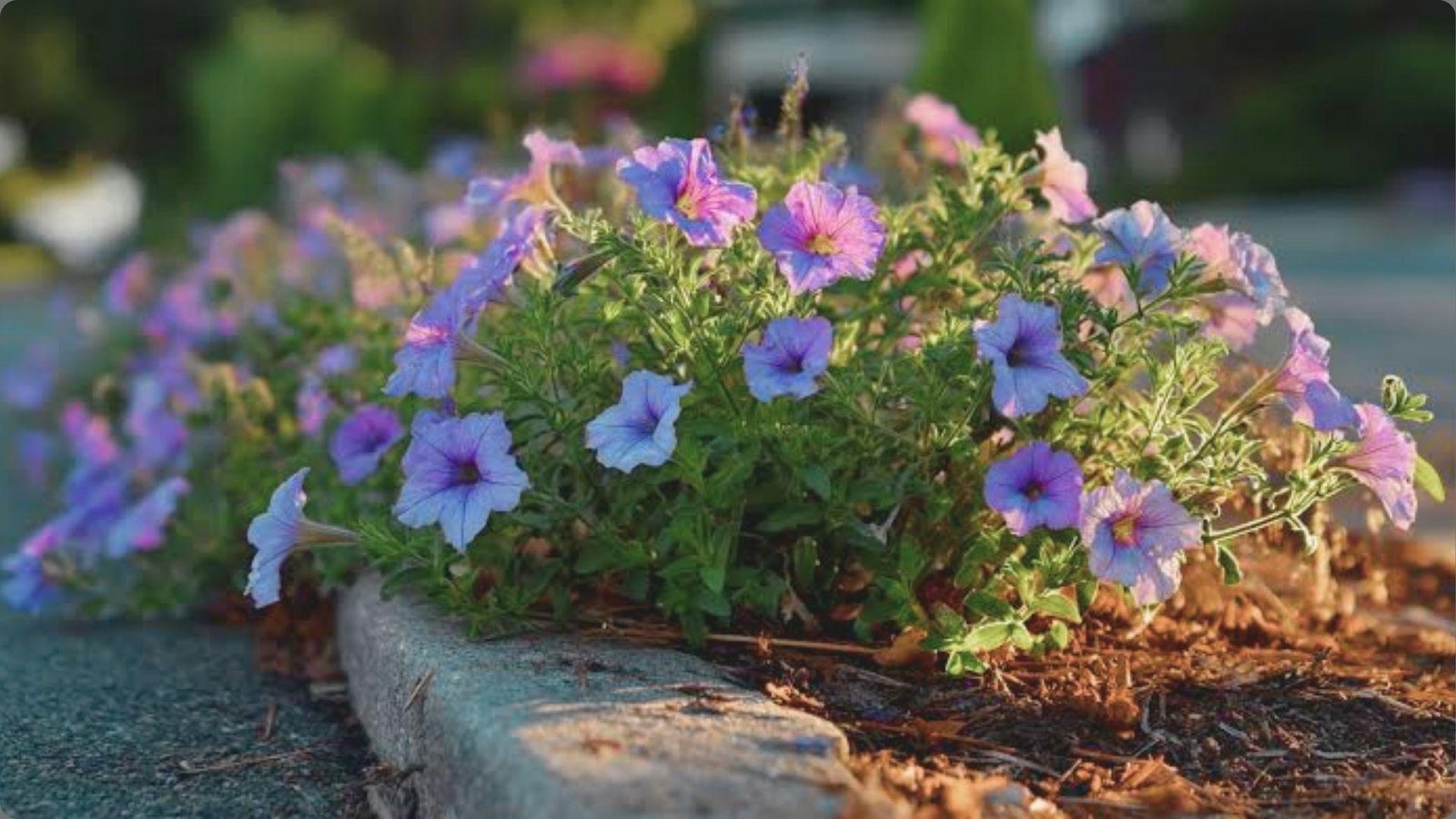
Petunias carry a surprisingly wide range of meanings. At their core, they represent comfort, peace, hope, and companionship.
They are also seen as symbols of resilience, making them a popular choice for people going through tough times. But petunias have a darker side too. In some traditions, they are linked to anger, resentment, and emotions left unsaid.
These contrasting meanings come from different cultural backgrounds and color associations, which is why the same flower can send very different messages.
The History and Origin of the Petunia Flower
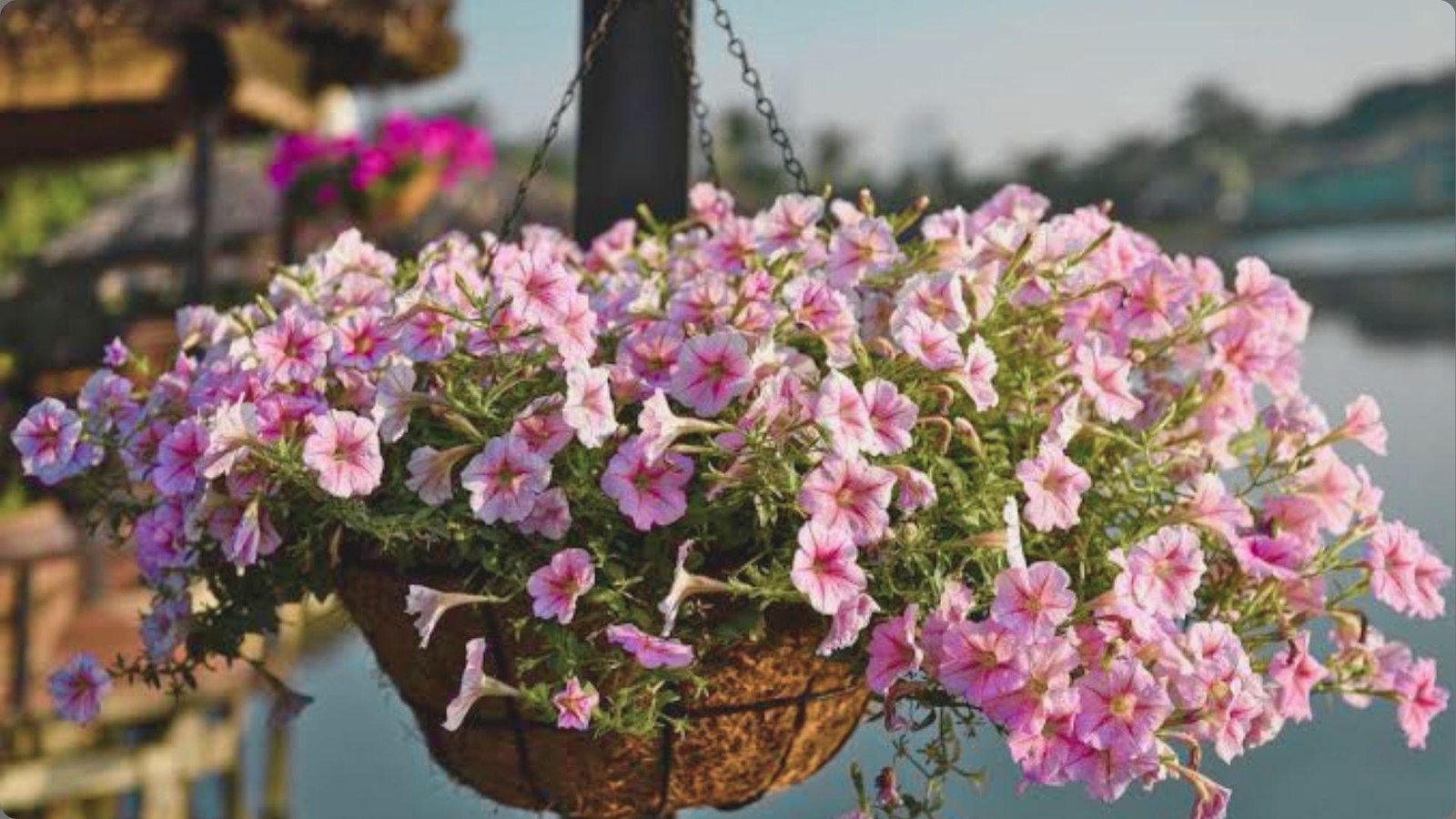
Petunias have a rich past that stretches back centuries. Their origins shaped the meaning people attach to them today.
Native Origins in South America
Petunias first grew wild across Argentina, Brazil, and nearby regions of South America. Indigenous communities lived alongside these flowers for generations.
That deep-rooted connection to the land gave petunias their early association with simplicity, quiet strength, and nature.
The Meaning Behind the Name "Petunia"
The name comes from "petun," a word used by the Tupi people of South America. It referred to tobacco plants, which are close relatives of petunias.
Both belong to the same plant family, Solanaceae. This indigenous origin gives the flower a grounded identity that many people overlook.
How Petunias Became Popular Around the World
Botanists brought petunias to Europe in the early 19th century. Gardeners there quickly appreciated them for their wide color range and ability to grow in different climates.
From Europe, they spread across Asia and North America. Today, petunias rank among the most widely grown flowering plants across the globe.
Petunia Flower Symbolism Through History
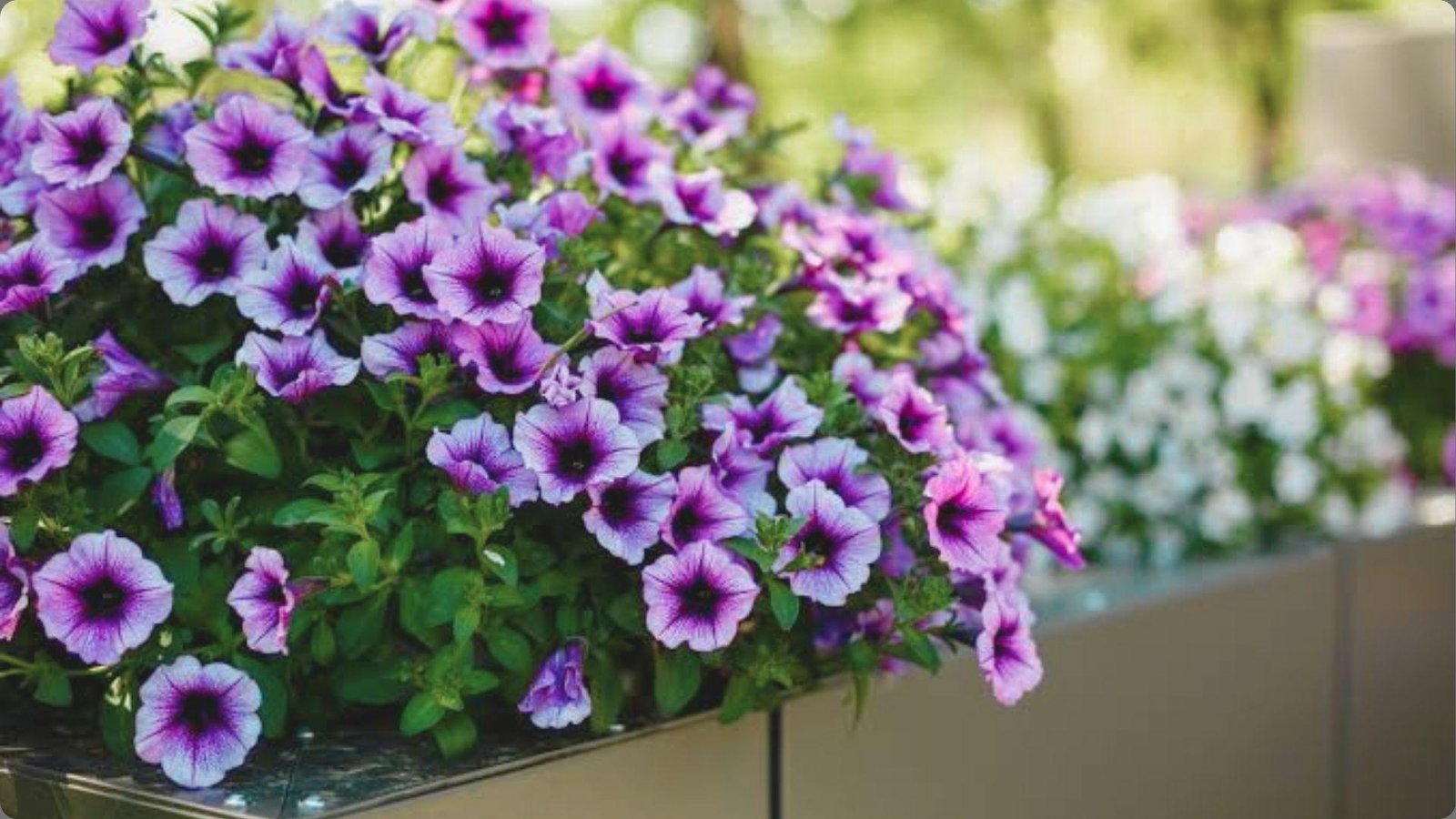
The meaning of petunias has shifted over centuries. What once carried negative undertones has grown into something far more positive and personal.
Petunias in the Victorian Language of Flowers
During the Victorian era, flowers were used to send secret messages. Petunias were linked to anger and resentment during this time.
Giving someone a petunia could signal frustration without saying a word. Petunias carried a notably sharp meaning within this silent floral language.
From Anger and Resentment to Comfort and Healing
Over time, the darker meanings attached to petunias began to fade. As the flower spread across more cultures, people started connecting it with comfort and healing instead.
Communities began gifting petunias to those going through loss, slowly replacing the old associations with something warmer.
Petunias as a Symbol of Hope and Resilience
Petunias grow in tough conditions and keep blooming through changing weather. This natural quality made people see them as a symbol of hope.
Today, many people plant petunias as a personal reminder that hard times do not last.
Spiritual Meaning of Petunia Flowers
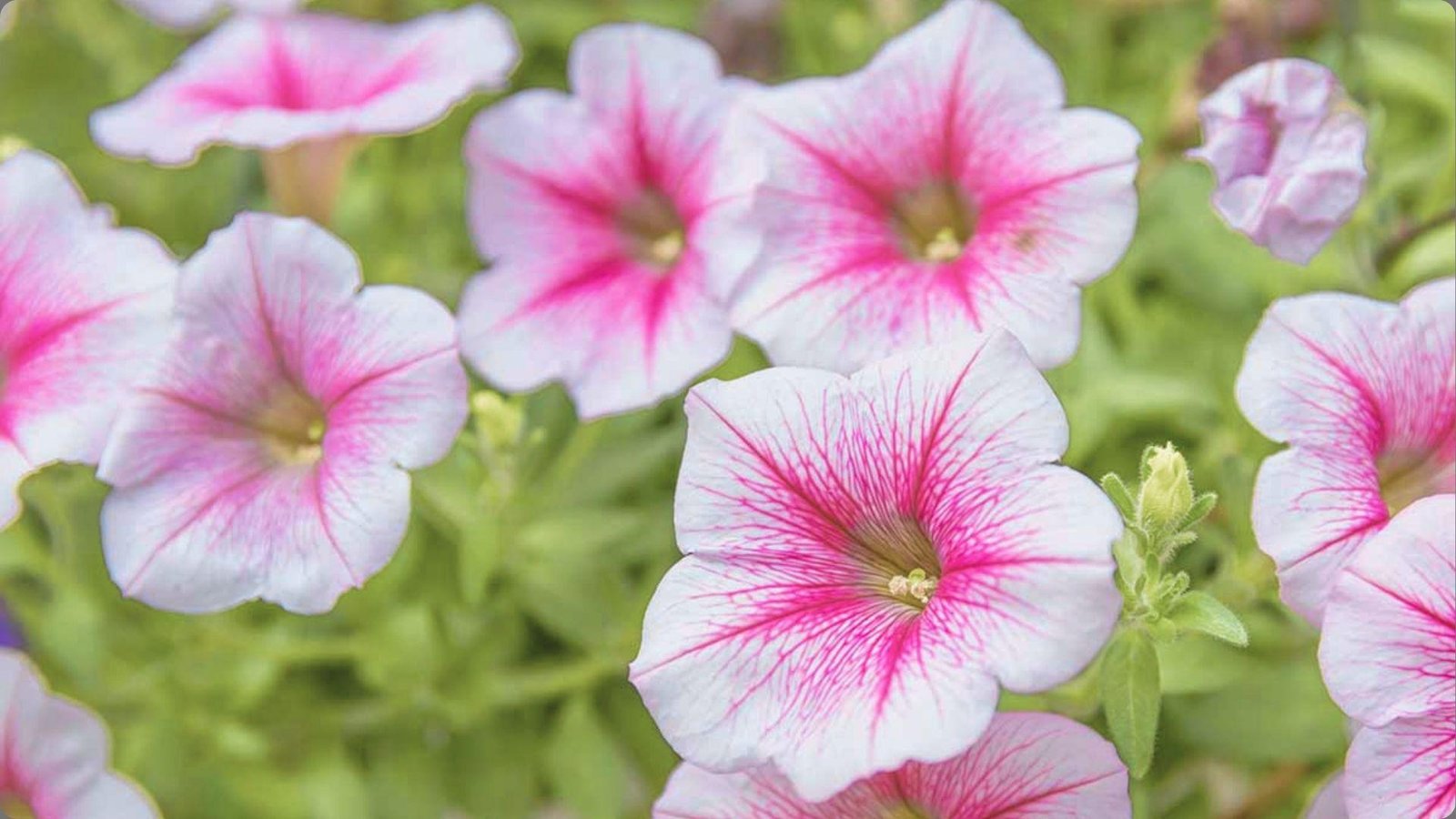
Petunias hold a quiet but deep spiritual meaning. They are often seen as symbols of desire and emotional connection, representing feelings that are hard to put into words.
Many people associate them with inner peace and emotional healing, making them a common choice during times of grief or stress.
Their ability to keep blooming through harsh conditions gives them a spiritual link to strength and persistence. Petunias remind us that growth is still possible even in the most difficult moments.
Petunia Flower Meaning in Love and Relationships
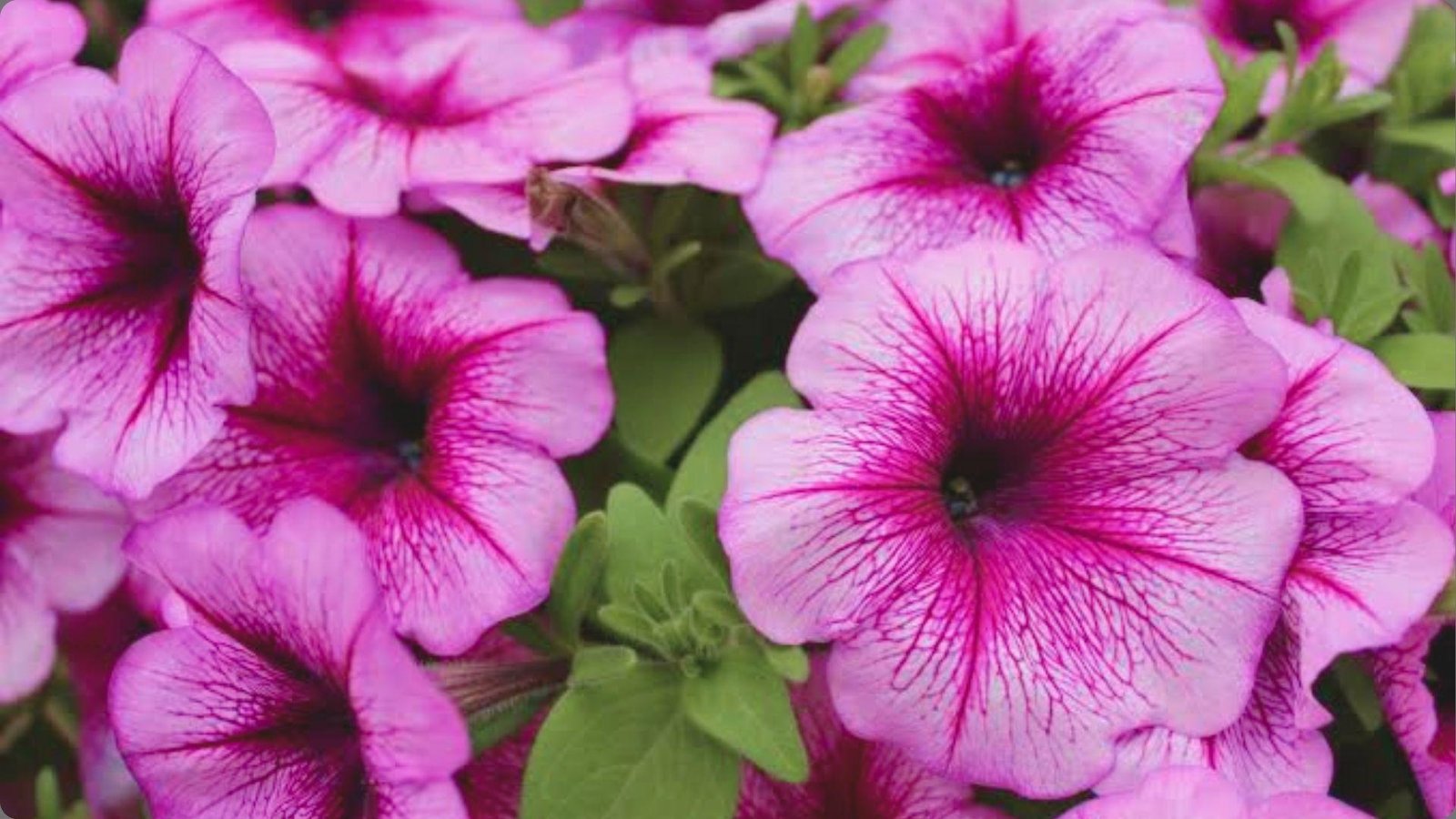
Petunias carry real emotional weight when given to someone special. Their meaning shifts depending on the relationship and the color you choose.
Romantic Love and Affection
Petunias have long been connected to romantic feelings. Giving someone a petunia can express deep affection and a desire to be close.
Red and pink petunias are popular choices for romantic gestures. They say what many people find difficult to speak out loud.
Friendship and Peaceful Companionship
Petunias are also a warm way to celebrate friendship. Their link to comfort and companionship makes them a fitting gift for someone you trust.
White and purple petunias work well here, signaling that you value the bond and want it to stay calm and steady.
Expressing Complex or Unspoken Emotions
Sometimes petunias are chosen when words fall short. They have been used to communicate feelings that are too sensitive to say directly.
This includes complicated love, shared grief, or unresolved tension. A petunia can carry the weight of those unspoken moments in a thoughtful way.
Petunia Flower Symbolism Across Cultures
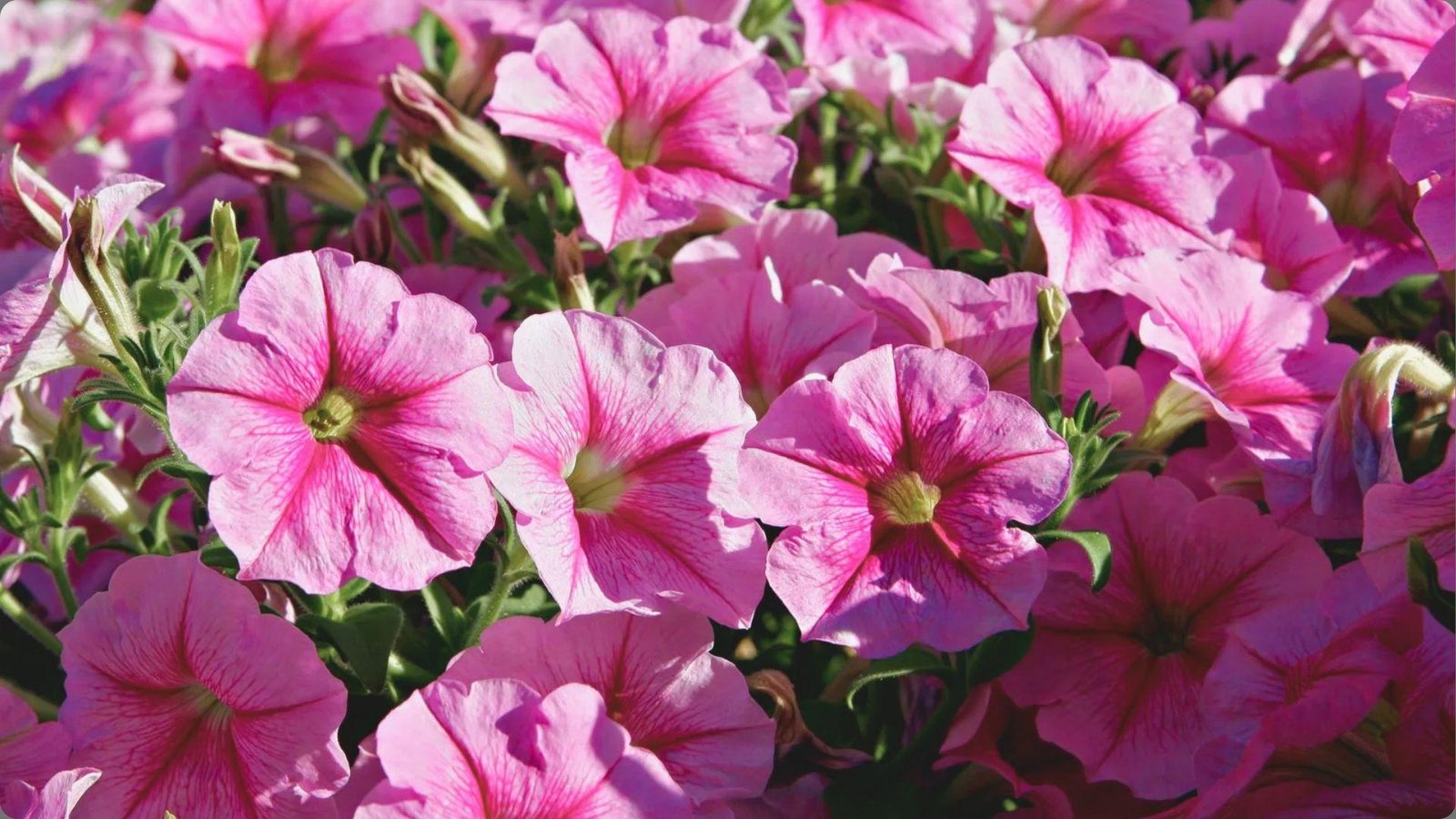
Petunias mean different things across different cultures. In South America, indigenous communities saw them as plants deeply tied to the natural world, carrying a sense of peace and belonging.
Victorian society used petunias to express anger or resentment through the silent language of flowers. Today, those older associations have largely been set aside.
In modern homes and gardens, petunias are seen as cheerful, welcoming plants that bring warmth and a sense of calm to any space.
Interesting Facts About Petunia Flowers
Petunias are more than just a pretty garden plant. There are quite a few things about them that most people do not know.
- Petunias belong to the Solanaceae family, the same family as tobacco plants. Their name even traces back to "petun," the Tupi word for tobacco.
- Petunias are one of the most popular bedding plants in the world. They grow easily, bloom for long periods, and fit well in both pots and garden beds.
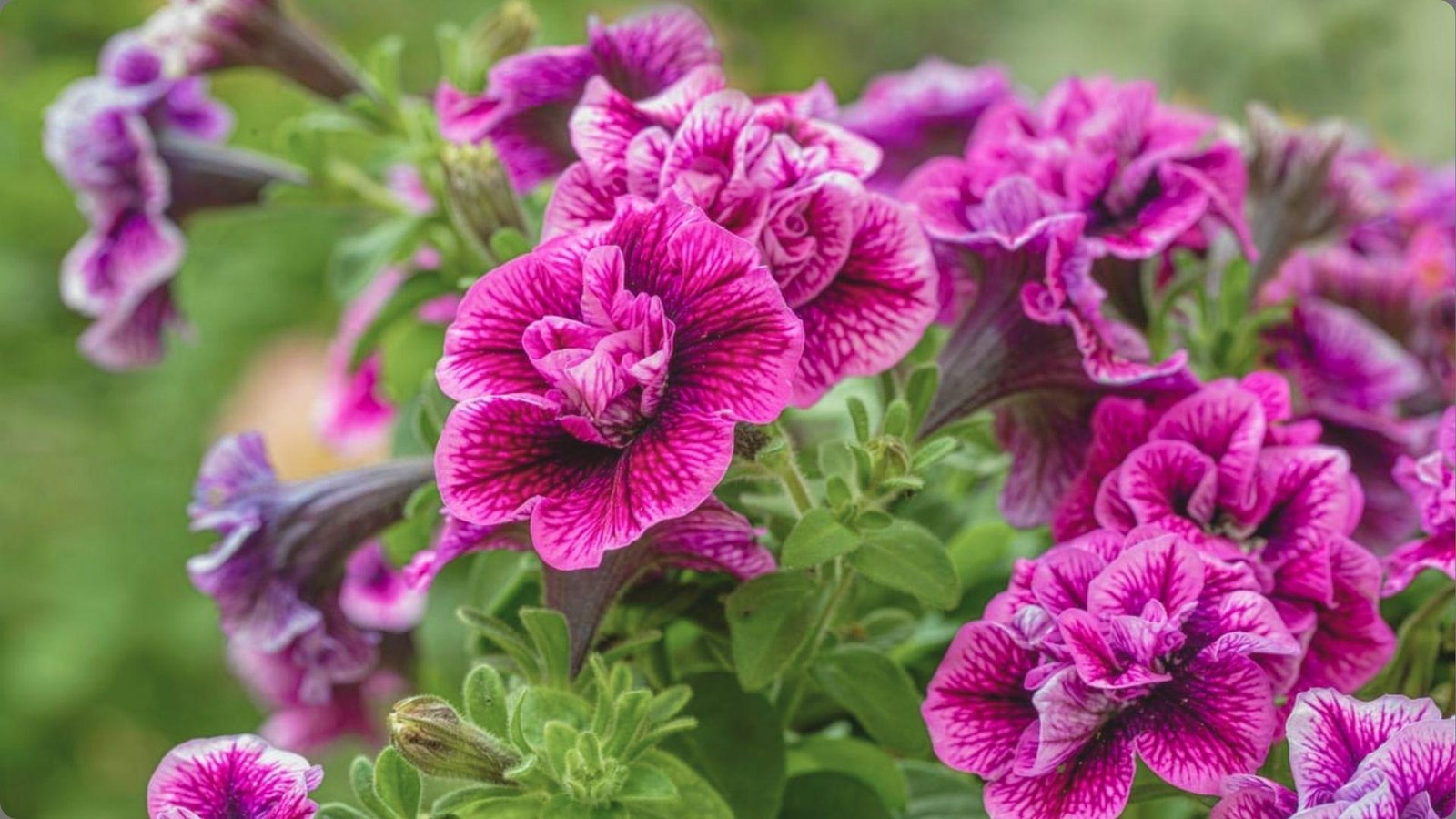
- Petunias attract bees, butterflies, and hummingbirds, making them a great choice for anyone looking to support local pollinators. Their tube-shaped flowers make it easy for these creatures to feed.
- Petunias come in hundreds of varieties, ranging from solid shades to striped and ruffled forms. Colors span from pure white and soft pink to deep purple and near black.
Conclusion
Petunias are small flowers with a lot to say. From their wild roots in South America to Victorian gardens and modern windowsills, they have carried comfort, hope, and quiet strength across centuries.
Whether you gift them to a friend, plant them at home, or simply enjoy their colors, they always carry meaning worth knowing.
If this guide helped you see petunias differently, share it with someone who loves flowers. And if you are planning your next garden, let petunias be part of it.
Frequently Asked Questions
What does a petunia flower symbolize?
Petunias symbolize comfort, hope, peace, and companionship. In some traditions, they are also linked to anger and unspoken emotions, depending on color and context.
What is the spiritual meaning of a petunia?
Spiritually, petunias represent emotional healing, inner peace, and quiet strength. Many people connect them with the ability to grow and find hope through difficult times.
What does the name "petunia" mean?
The name petunia comes from "petun," a word used by the Tupi people of South America. It referred to tobacco plants, which are close botanical relatives of petunias.
Which petunia color is best for gifting?
Red and pink petunias suit romantic gestures, while white and purple ones work well for friendship. The right color depends on the message you want to send.
Are petunias good for gardens?
Yes, petunias are among the most popular garden plants worldwide. They bloom for long periods, grow in most climates, and attract bees, butterflies, and hummingbirds.