Alyssum is a small flower with a lot of meaning behind it. If you have been curious about what this flower represents or why it keeps appearing in gardens, poetry, and spiritual spaces, this guide covers it all.
We'll go over alyssum flower symbolism, spiritual meaning, color meanings, history, and cultural uses. You will leave with a clear and complete understanding of what this flower stands for.
I have spent years researching flower symbolism and botanical history, and everything in this guide is based on careful study and reliable sources.
By the end, you will know exactly what alyssum means and why it has been valued across so many cultures and traditions.
Alyssum Flower
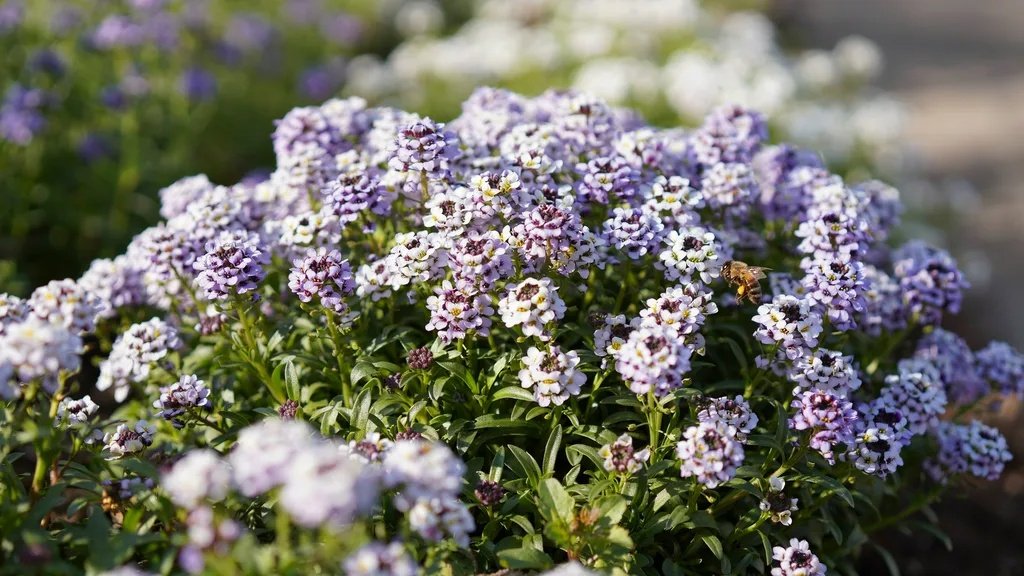
A closer look at what alyssum actually is before getting into what it means and why it matters.
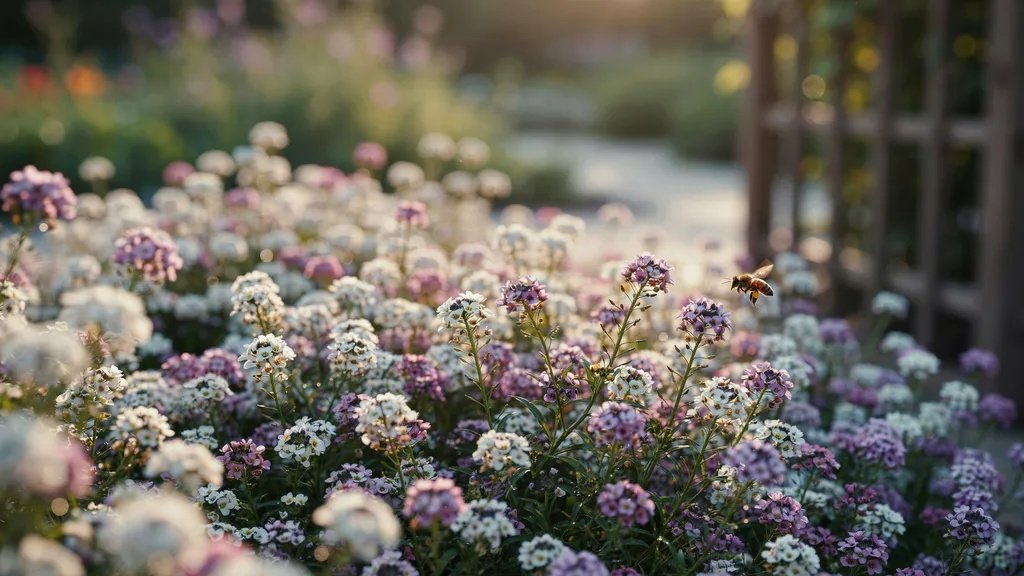
Alyssum is a low-growing flowering plant known for its clusters of tiny blooms and sweet, honey-like fragrance.
It belongs to the Brassicaceae family and is most commonly seen in white, purple, pink, and lavender shades. The plant is native to Europe and parts of Asia but has been widely cultivated across the world in home gardens, borders, and window boxes.
It thrives in cool weather and tends to spread across the ground in soft, dense mounds of color. Despite its small size, alyssum is a hardy plant that blooms reliably and attracts pollinators like bees and butterflies.
Gardeners love it for its ease of care and its ability to fill spaces with gentle color and fragrance.
Beyond its practical garden value, alyssum carries a rich history of symbolic meaning that has made it a meaningful choice in floral gifts and arrangements for centuries.
Alyssum Flower Symbolism
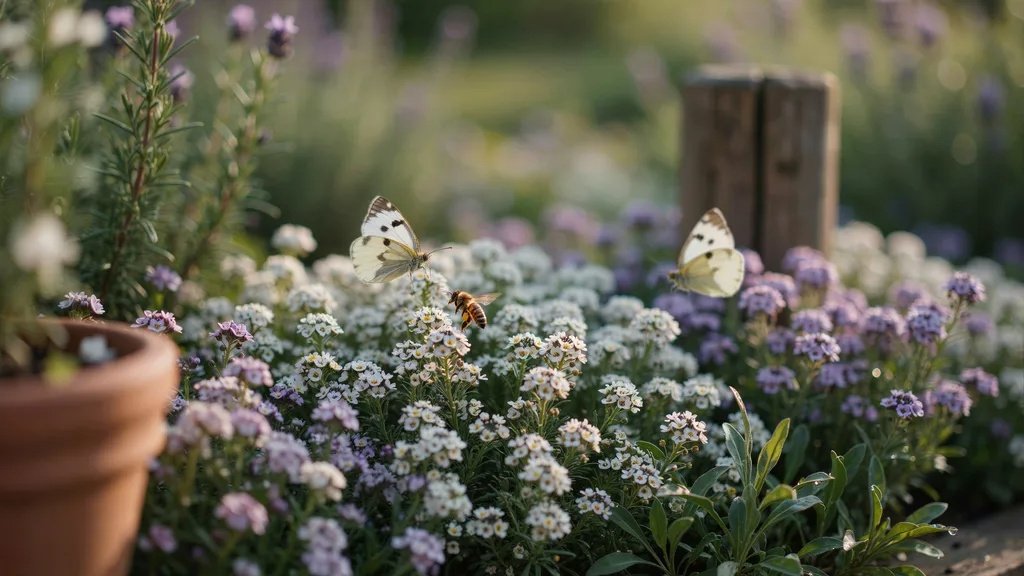
A look at the core symbolic meanings attached to alyssum and what each one represents in different contexts.
Peace and Tranquility
Alyssum has long been associated with peace and calm. Its soft, low-growing clusters and gentle fragrance give it a naturally soothing quality that makes it a symbol of quiet and stillness in many traditions.
People who felt overwhelmed or anxious were sometimes given alyssum as a gesture of comfort and the hope that calmer times were ahead.
Love, Devotion, and Affection
Alyssum also carries meaning related to love and steady devotion. Unlike dramatic flowers associated with passionate romance, alyssum represents the quieter, more lasting kind of love.
It is the flower of consistent care and gentle affection, making it a meaningful gift between close friends, long-term partners, or family members.
Hope and New Beginnings
The way alyssum blooms in cool spring weather and spreads quickly across garden spaces has made it a natural symbol of hope and fresh starts.
It is often planted at the start of a new season as a quiet reminder that growth is possible even in uncertain conditions.
Protection and Emotional Strength
In older traditions, alyssum was believed to offer protection from harm and negative energy. Its name even traces back to ancient Greek words related to warding off rage and madness.
Carrying or growing alyssum was thought to bring emotional steadiness and a sense of inner safety to those who kept it close.
Alyssum Flower Spiritual Meaning
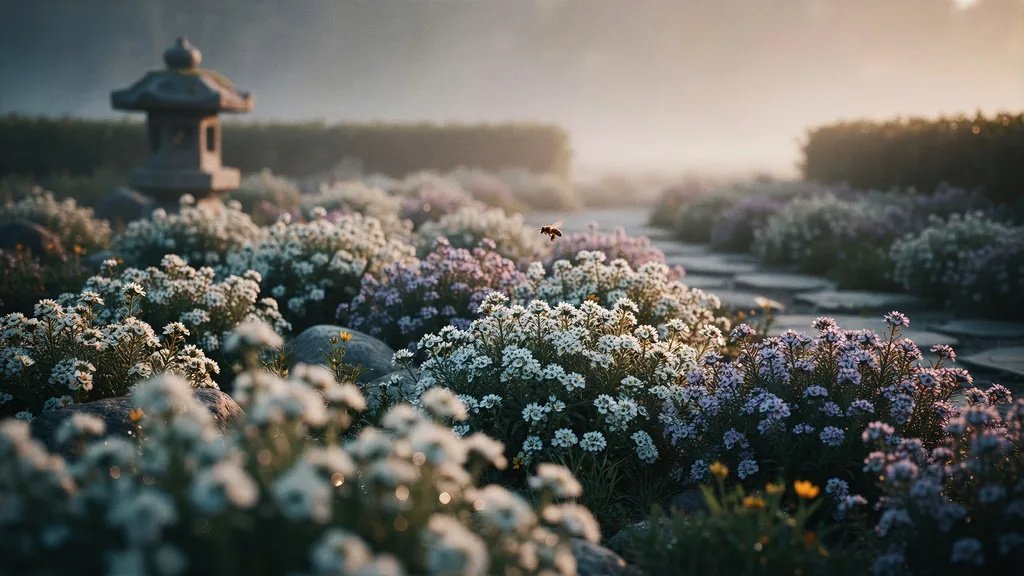
The spiritual side of alyssum goes deeper than its appearance and connects to healing, growth, and inner calm.
Inner Peace and Emotional Healing
Spiritually, alyssum is strongly connected to emotional healing and the restoration of inner peace. Many people place it in meditation spaces or quiet corners of the home as a gentle reminder to slow down and breathe.
Its calming fragrance supports a sense of stillness that makes it a natural companion for reflective or healing practices.
Spiritual Growth and Positive Energy
Alyssum is also seen as a flower that supports spiritual growth. Its consistent blooming and spreading nature reflects the idea that positive energy, once cultivated, tends to grow and reach into new areas of life.
In some spiritual traditions, it is used to set intentions around personal growth and opening oneself to new understanding.
Alyssum as a Symbol of Comfort and Faith
Alyssum has been associated with comfort during difficult times and with a quiet, steady faith that things will improve.
It is not a loud or dramatic flower, and its spiritual meaning reflects that. It represents the kind of faith that does not shout but simply continues to grow, bloom, and fill the air with something good.
Alyssum Flower Meaning by Color
Each color of alyssum carries its own layer of meaning on top of the general symbolism the flower already holds.
White Alyssum Flower Meaning
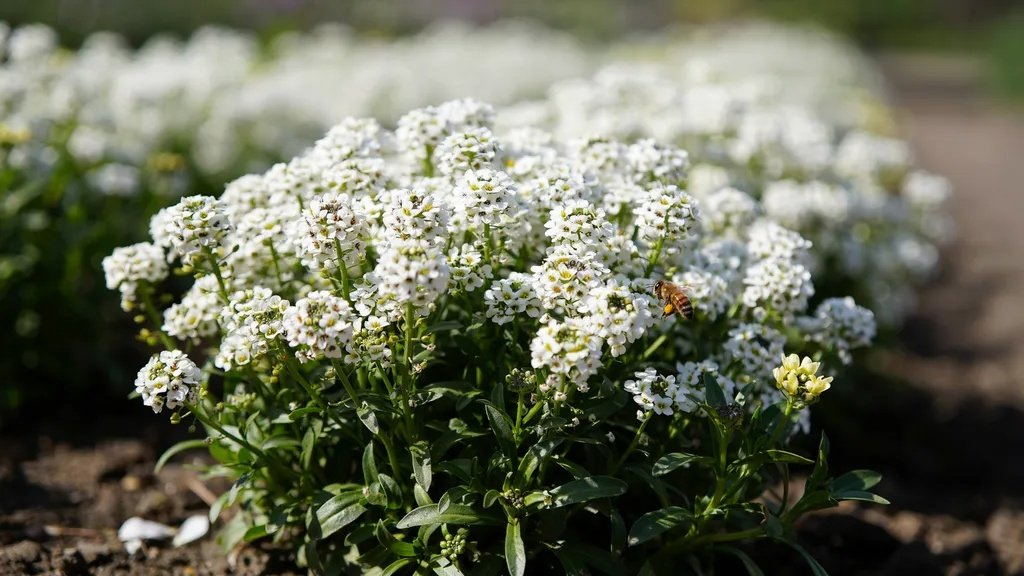
White alyssum is the most commonly grown variety and carries meanings of purity, clarity, and sincerity. It is often used in wedding arrangements and sympathy flowers because of its clean, honest appearance.
White alyssum also represents peace and is one of the most universally positive color expressions of the flower.
Purple Alyssum Flower Meaning
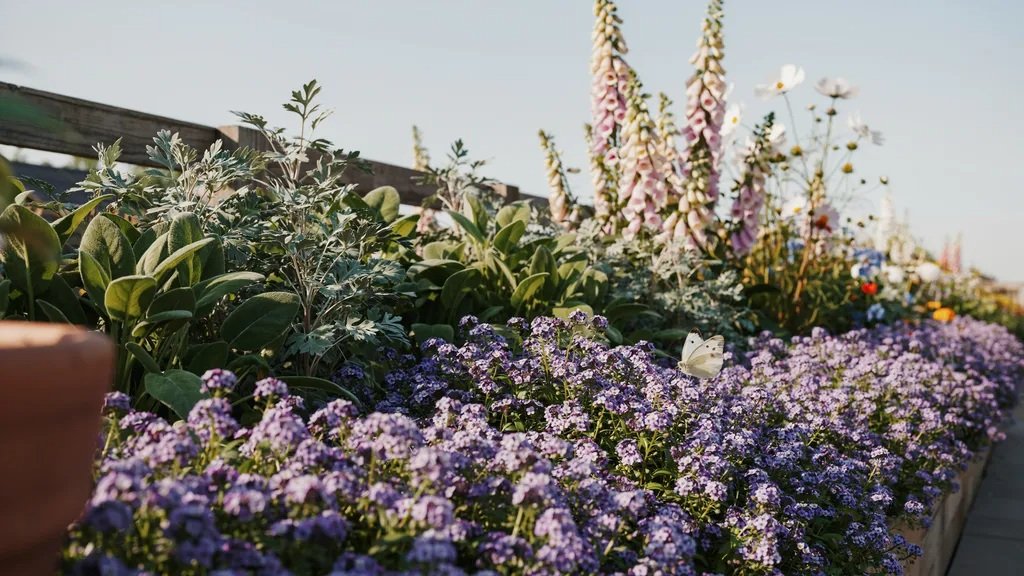
Purple alyssum connects to mystery, spiritual awareness, and a sense of deeper wisdom.
Purple has long been associated with the spiritual and the contemplative, and alyssum in this shade carries those associations naturally.
It is a good choice for anyone drawn to the more spiritual or introspective side of flower symbolism.
Pink Alyssum Flower Meaning
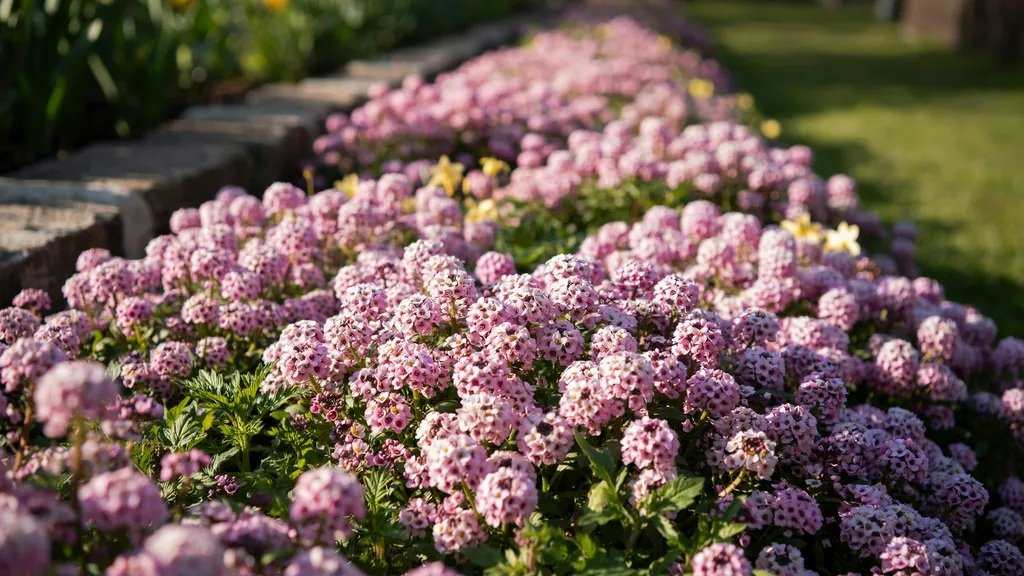
Pink alyssum represents gentle affection, care, and warmth. It is softer than red in its emotional meaning and sits closer to the idea of nurturing love rather than passionate romance.
Pink alyssum works well as a gift to express gratitude, friendship, or the kind of love that is consistent and caring over time.
Lavender Alyssum Flower Meaning

Lavender alyssum blends the calm of white with the spiritual depth of purple. It carries meanings of grace, quietness, and a refined kind of emotional sensitivity.
This shade is often associated with gentle healing and the kind of presence that makes people feel safe and understood without any words being spoken.
Alyssum Flower History and Origin
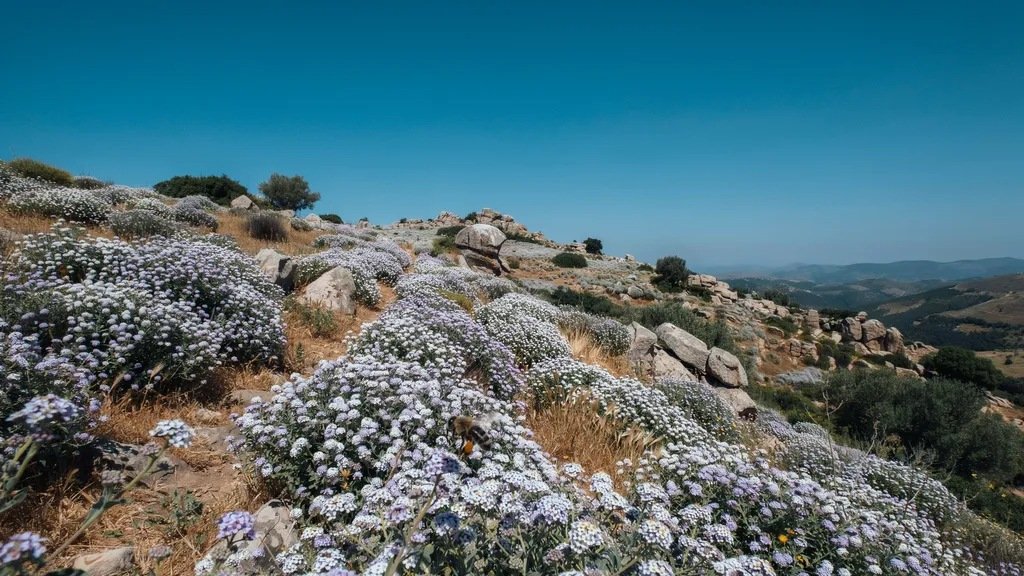
Understanding where alyssum comes from adds real depth to the meaning it carries today.
The Meaning Behind the Name Alyssum
The name alyssum comes from the Greek word meaning without madness or free from rage. In ancient times, the plant was believed to have the power to soothe anger and calm troubled minds.
This origin story is a big part of why alyssum became associated with peace, emotional steadiness, and protection from negative states of mind.
Native Habitat and Botanical Background
Alyssum is native to the Mediterranean region and parts of central Asia and Europe. It grows naturally on rocky slopes, dry hillsides, and open fields where the soil is poor and the sun is strong.
This ability to thrive in difficult conditions is part of what makes it such a fitting symbol of resilience and quiet strength.
Alyssum in Ancient Traditions
In ancient Greek and Roman traditions, alyssum was used medicinally and symbolically. It was believed to cure hiccups, reduce fever, and calm emotional disturbances. People planted it near homes and carried it as a form of protection.
Its reputation as a healing and grounding plant has carried forward across centuries into modern flower symbolism.
Alyssum Flower Uses and Cultural Significance
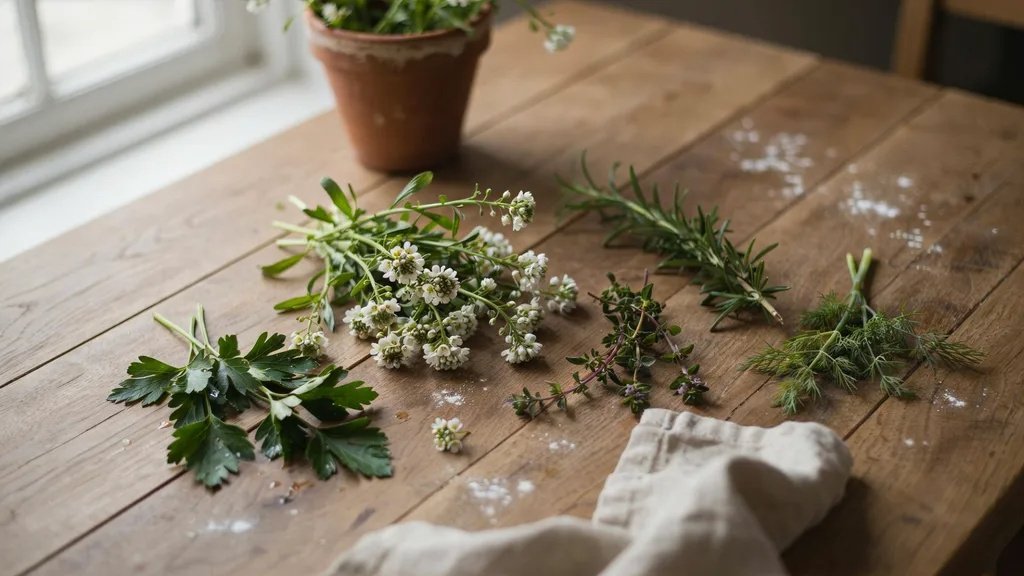
Beyond its symbolism, alyssum has been put to practical and cultural use across many different settings and traditions.
Alyssum in Cottage Gardens
Alyssum is a staple of cottage garden design because of its low-growing spreading habit and its ability to soften the edges of garden beds and borders.
It fills gaps between larger plants, spills over stone walls, and creates a sense of natural, relaxed abundance. Its fragrance also makes it a sensory addition to any garden space where people spend time sitting or walking.
Traditional Herbal and Medicinal Uses
Historically, alyssum was used in folk medicine for a range of purposes including reducing fever and calming digestive discomfort.
Some traditions used it to treat skin conditions and emotional distress. While it is not commonly used in clinical herbal medicine today, its historical role as a healing plant adds to its symbolic association with comfort and recovery.
Alyssum in Floral Arrangements and Gifts
Alyssum works well as a filler flower in arrangements because of its small, clustered blooms and its pleasant fragrance.
It is often used to soften bouquets and add texture without overpowering other flowers. As a gift, alyssum carries meaningful symbolism around peace, affection, and well-wishing that makes it a thoughtful and personal choice for many occasions.
Conclusion
Alyssum is one of those flowers that seems simple at first but holds a lot more meaning once you look closely.
I personally love how it connects such everyday qualities like calm, care, and quiet strength to something as small and ordinary as a garden border plant.
If you found the alyssum flower meaning helpful, leave a comment and share which symbolism resonated most with you. Sharing this post helps others who are curious about the same thing.
You can also check out more flower meaning guides on the blog for deeper reading on this topic.
Frequently Asked Questions
What does the alyssum flower symbolize?
Alyssum symbolizes peace, love, protection, and hope. It has been used across cultures to represent emotional calm, steady affection, and the quiet strength that helps people get through difficult times.
What is the spiritual meaning of alyssum?
Spiritually, alyssum is connected to inner peace, emotional healing, and positive energy. It is often used in meditation spaces and given as a gift to someone going through a period of personal difficulty or growth.
What does white alyssum mean?
White alyssum represents purity, sincerity, and clarity. It is one of the most commonly used varieties in wedding and sympathy arrangements because of its clean and honest appearance and its association with peace.
Where does the name alyssum come from?
The name alyssum comes from ancient Greek and means without madness or free from rage. It reflects the plant's historical reputation for calming emotional disturbances and offering protection from negative states of mind.
Can alyssum be used as a gift flower?
Yes, alyssum makes a meaningful gift. Its symbolism around peace, affection, and well-wishing makes it a thoughtful choice for friends, family members, or anyone going through a time when they could use comfort and gentle encouragement.